
Reviewed · MACHU PICCHU TOURS
4 days/3 nights: Inka Jungle Trek to Machu Picchu
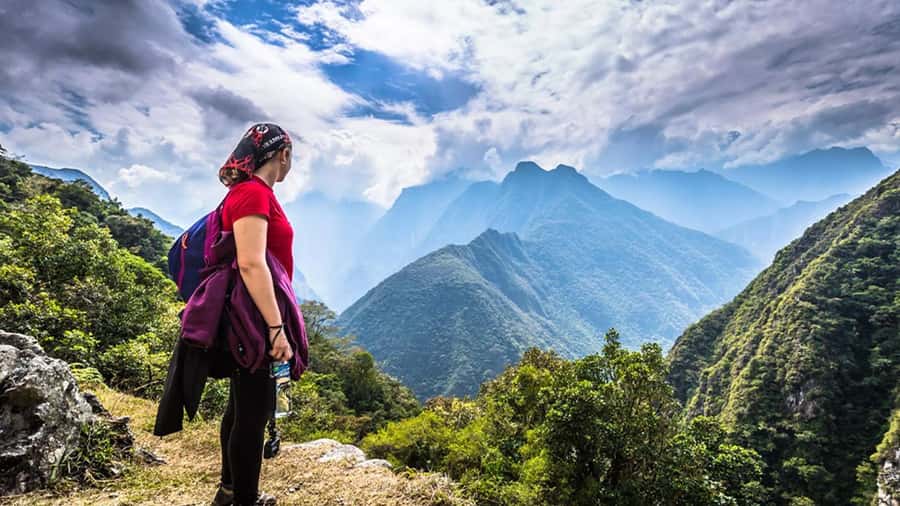
The road to Machu Picchu gets wonderfully wild. This four-day route mixes a mountain bike descent, jungle hiking, hot springs, train tracks, and the great Inca citadel itself. I especially like the varied activities and the chance to stay in small local hostels rather than spending every night in a large hotel.
I also like the strong value at $420 per person. The price covers meals, lodging, a guide, Machu Picchu admission, the train, transport, biking gear, zip line, and the return journey to Cusco. The main concern is the demanding second day, plus some reports of poor communication about carrying luggage and uneven guide support during the final stretch.
In This Review
- Key details before you book
- What this route does differently
- Day 1: cycling down from Abra Málaga to Santa María
- Day 2: an old Inca road, river views, and Cocalmayo
- Day 3: zip lines, Hidroeléctrica, and the long walk to Aguas Calientes
- Day 4: entering Machu Picchu before the crowds
- What the $420 price really covers
- Fitness, luggage, and what to pack
- The guide can shape the whole experience
- Who should book this four-day adventure
- Should you book the Inka Jungle Trek?
- FAQ
- How long is the Inka Jungle Trek to Machu Picchu?
- Where does the tour take place?
- What languages are available for the tour?
- How large is the group?
- Is Machu Picchu admission included?
- Is the bus between Aguas Calientes and Machu Picchu included?
- Is Huayna Picchu included?
- Are meals included?
- Can rafting be canceled?
- What transport is included after Machu Picchu?
Key details before you book
- Day 1 begins with a 3 to 4-hour bike descent from the Málaga Pass area through mountain and jungle scenery.
- Day 2 is the hardest day, with 7 to 8 hours of walking over old Inca paths, hills, and river crossings.
- Santa Teresa adds a welcome soak at the Cocalmayo hot springs, though the entrance fee is extra.
- The final approach follows the train tracks from Hidroeléctrica to Aguas Calientes for about three hours.
- Machu Picchu entry and a guided visit are included, but the bus up and down the mountain costs extra.
- Rafting is weather-dependent from January through March, and no refund is offered if high water cancels it.
What this route does differently
The Inka Jungle Trek is not the classic stone-step journey of the four-day Inca Trail. It is a more active route through the Cusco Region, with road transport, cycling, hiking, optional rafting, a zip line, hot springs, and a train ride at the end.
That mix is the appeal. You get more than one way to experience the area around Machu Picchu. One morning you are riding downhill from a high mountain pass. The next day you are walking beside the Urubamba River and studying plants used by local people. By the third day, you are watching for the first view of Machu Picchu Mountain from a narrow canyon.
The trade-off is that the tour is physically demanding and not especially polished at every point. This is an adventure trip, not a soft sightseeing holiday. Conditions, accommodation, transport arrangements, and guide attention can vary, so you should arrive ready to be flexible.
The group is limited to 15 people, with guiding in English or Spanish. That is small enough for conversation and usually more personal than a large coach tour. Gustavo Candia receives especially strong praise for his energy, history, route advice, and care with the group, though one account raises serious concerns about guide support after a knee injury. I would ask the operator exactly how the group handles injuries and luggage before departure.
More Machu Picchu trips:
- Machu Picchu: Group Guided Tour
★ 4.7 · 102 reviews - Machu Picchu: Tour Guide Service & Entrance Ticket Circuit-2
★ 4.6 · 90 reviews - Cusco: One Day Tour to Machu Picchu with Train Transfers
★ 4.8 · 28 reviews
Day 1: cycling down from Abra Málaga to Santa María
The day begins with hotel pickup in Cusco at 6:30 in the morning. A private vehicle takes you on a roughly four-hour journey toward the Málaga Pass, continuing to San Luis, where the bike section begins.
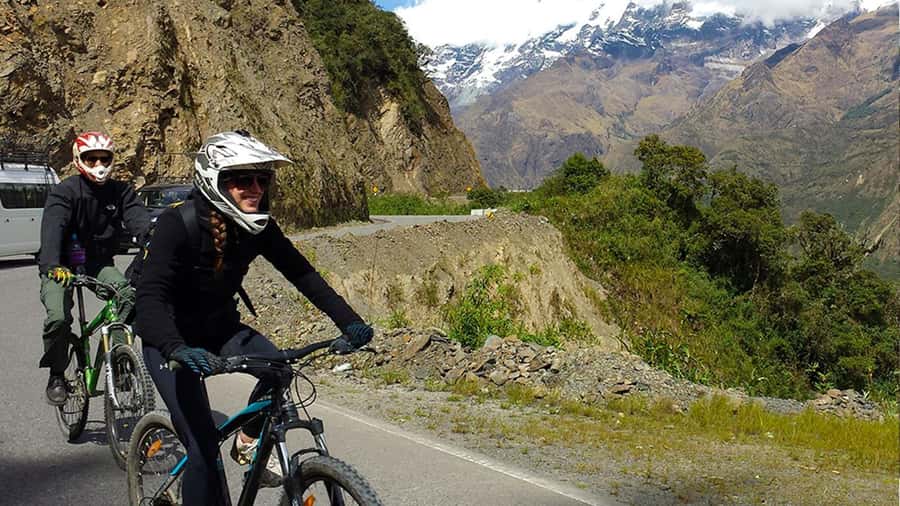
The cycling route lasts three to four hours and runs mostly downhill. That sounds easy, but downhill riding on mountain roads still demands concentration. You will need to be comfortable controlling a bike for several hours, braking often, and dealing with changing road conditions. Biking equipment is included, but wear proper shoes and clothing that can handle dust, sun, and a little rain.
The scenery changes quickly as you descend. High mountain views give way to warmer jungle vegetation, and the contrast is one of the best parts of the day. You also visit the archaeological center of Huamanmarca, adding an ancient site to what could otherwise feel like a long adventure transfer.
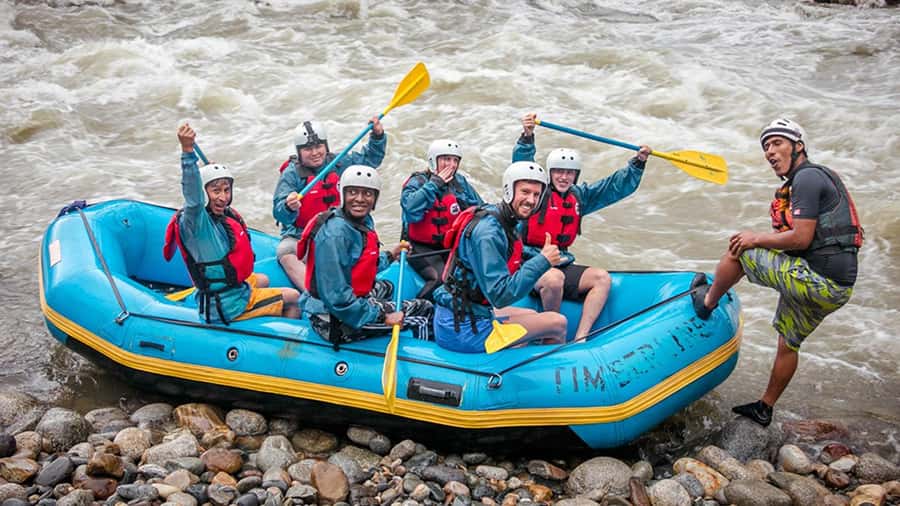
At 3:00 in the afternoon, rafting on the Vilcanota, also called the Urubamba, is offered as an optional activity in the day description. The included-services section also lists rafting, so confirm the exact arrangement before you go. The rapids are rated III and IV, which means this is not a gentle float. You need to be comfortable with an active river outing.
From January 1 through March 31, rafting depends on river conditions. High water can cancel the activity, and there is no refund in that case. If rafting is a major reason for booking, keep that seasonal rule in mind.
You spend the night in a hostel in Santa María. This is a simple stop that keeps the trip close to local communities and the route itself. Do not expect a resort-style room.
Day 2: an old Inca road, river views, and Cocalmayo
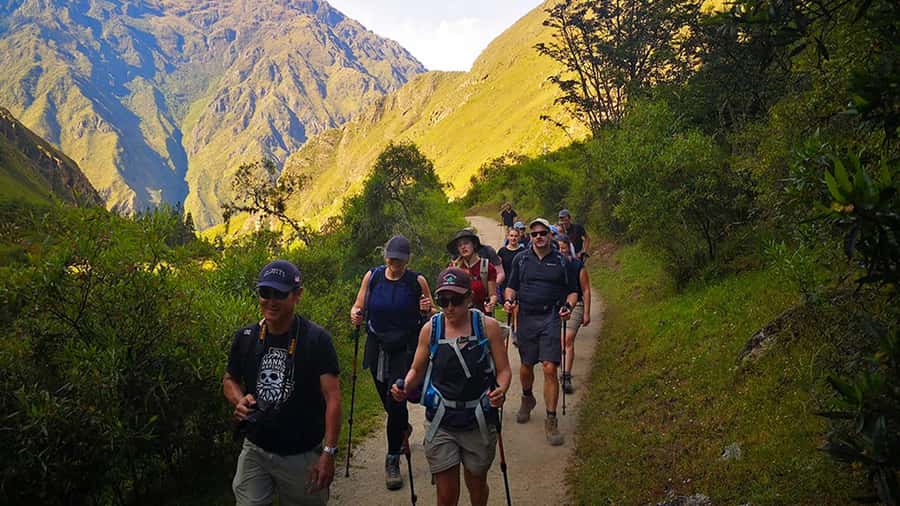
After breakfast, you begin the longest walking day. The route takes seven to eight hours, with repeated ascents and descents along the Urubamba River.
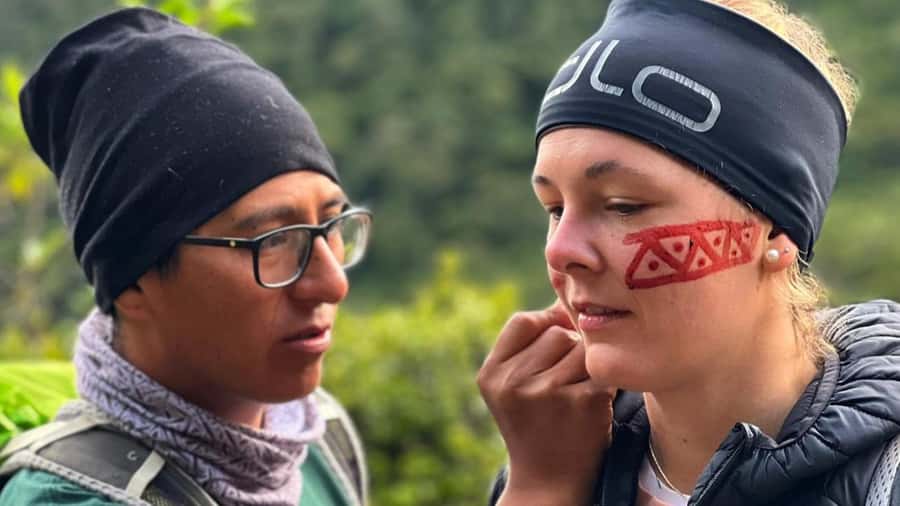
This is where the trip earns its adventure credentials. You walk on a well-preserved section of an ancient Inca road, with fruit plants, medicinal plants, and birdlife along the way. Parrots and other birds may appear, though wildlife sightings are never guaranteed. The value here is not a single famous monument. It is the slower look at how the area works, with vegetation, farming communities, and an old road still forming part of the route.
The day also demands stamina. Several hours of climbing and descending can feel much harder than the total distance suggests. I would not book this route if you strongly dislike hills, heat, or walking on uneven ground. Comfortable hiking shoes, hiking pants, sun protection, and insect repellent are essential.
At some point, you cross the Urubamba by an oroya, a simple river crossing system. That is an unusual detail and part of the route’s character, but it may not suit anyone uncomfortable with exposed crossings or changing river conditions.
The reward is Cocalmayo, the hot springs near Santa Teresa. The warm pools are a welcome break after the longest day. Bring swimwear and a towel, and budget separately for admission because the hot springs entrance is not included.
Your overnight stop is Santa Teresa. The accommodation is described as hostel lodging, so standards may be basic. That is not necessarily a problem, but it is best to think of this as a clean, practical base rather than a luxury stay.
Day 3: zip lines, Hidroeléctrica, and the long walk to Aguas Calientes
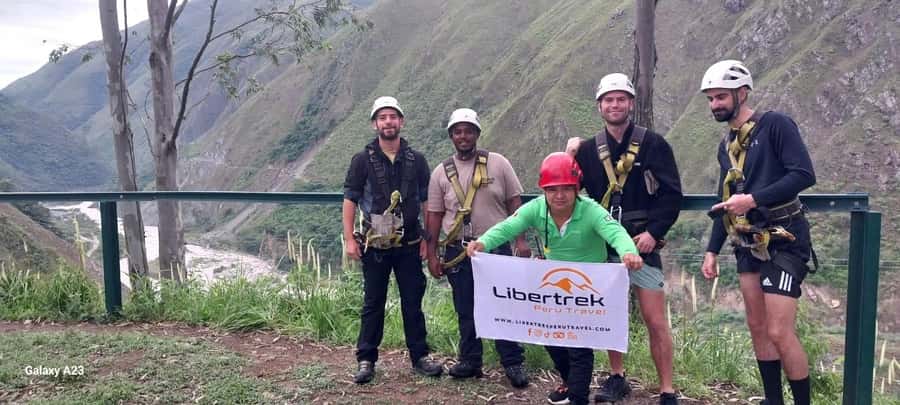
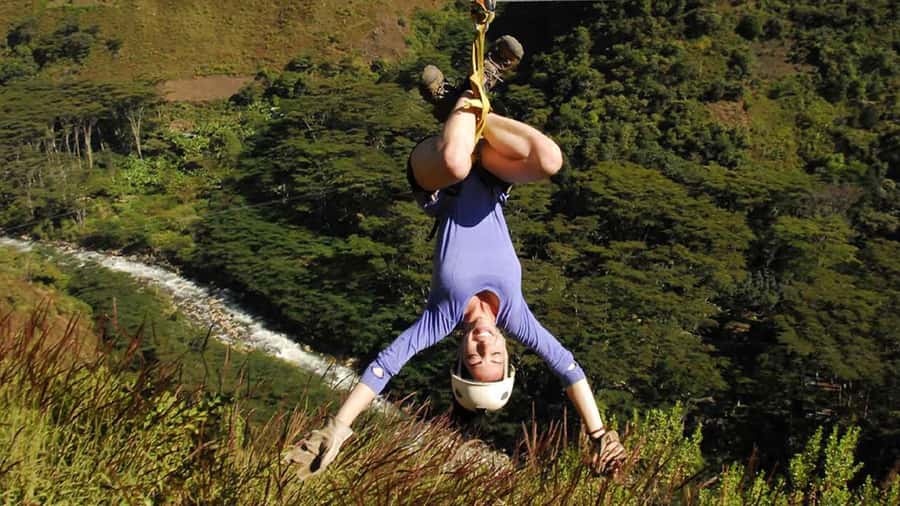
The morning offers an optional zip line at Cola de Mono. Zip lining is included in the package details, though the day description calls it optional, so verify whether every participant can choose freely and whether the timing changes for people who skip it.
After breakfast, the group walks toward Hidroeléctrica through a narrow canyon. The climate is described as pleasant, and this section gives you a chance to see Machu Picchu Mountain before reaching the famous town below the ruins.
Lunch is at Hidroeléctrica. From there, you follow the railway tracks for about three hours to Aguas Calientes, the town beneath Machu Picchu. This is a flat or gently graded walk compared with Day 2, but the length can still wear you down, especially after two active days.
One important packing issue deserves attention. A participant reported not being told to bring a small daypack and had to carry a large backpack for the 11-kilometer walk. Ask before departure what luggage is transported and what you must carry yourself. Pack a small bag with water, sunscreen, rain protection, medication, swimwear, and anything needed for the day.
The train tracks are a memorable way to approach Aguas Calientes, but you should expect a functional walk rather than a scenic mountain trail at every moment. Keep your attention on the route and follow your guide’s instructions around the railway.
You sleep in a hotel in Aguas Calientes. Accommodation quality can vary, and one account describes the final room as particularly poor. I would confirm the hotel category and ask what happens if a room has a serious problem.
More hikes and treks in Urubamba:
- Classic Inca Trail Trek 4D/3N to Machu Picchu (Group Service)
★ 5.0 · 8,653 reviews - Machu Picchu: 4-Day Inca Trail Trek with Panoramic Train Ride
★ 5.0 · 4,568 reviews - Salkantay Classic Trek 5 Days from Cusco
★ 5.0 · 4,062 reviews - 4-Day Salkantay Trek with Sky Camp Stay
★ 5.0 · 3,346 reviews
Day 4: entering Machu Picchu before the crowds
The last morning begins with the walk from Aguas Calientes up to Machu Picchu. The route description says this gives the group a chance to be among the first inside for sunrise.
The uphill walk takes effort, especially after three active days. You can also purchase bus tickets for the ride up and down, priced at $24 according to the supplied details. That cost is not included, so decide in advance whether you want to walk both ways or save your legs for the ruins.
Inside Machu Picchu, the guided visit covers major points such as the Inti Watana, Temple of the Condor, Sacred Rock, and other important areas. This guide-led portion is valuable because the site can otherwise become a collection of impressive stones without much context.
Pay close attention to the ticket category and guiding arrangement. One participant reported receiving a different group ticket and not getting the promised full guiding service at Machu Picchu. That is a serious service concern, especially since the entrance is a central reason for taking the trip. Ask for written confirmation of the ticket type and whether your own guide will accompany you inside.
After the visit, you return to Aguas Calientes and board the tourist train to Ollantaytambo. A tourist bus then takes you back to Cusco. The package also includes private transportation from your hotel to the Cusco airport, which can be useful if your flight follows soon after the tour.
What the $420 price really covers
At $420, this is a strong-value package if all the included parts run as planned. You receive:
- Transport from Cusco to the starting point
- A qualified adventure guide
- Machu Picchu admission
- Three breakfasts, three lunches, and three dinners
- Three nights of accommodation
- Biking equipment
- Rafting and zip line arrangements
- Train travel from Aguas Calientes to Ollantaytambo
- Tourist transport to Cusco
- First aid equipment
- Airport transport from your hotel
The package saves you from arranging several separate transfers, meals, and tickets. That matters in the Sacred Valley, where transport connections can take time to organize and train tickets can sell out.
You still need money for the first-day breakfast, lunch in Aguas Calientes, Santa Teresa hot springs admission, Machu Picchu shuttle buses, and the optional Huayna Picchu mountain ticket, listed at $65. Bring cash, as the packing advice specifically includes it.
The rafting cancellation rule weakens the value a little during the wet season. If high water cancels the activity, no refund is provided. The price still includes plenty of other services, but you should not treat the river trip as guaranteed.
Fitness, luggage, and what to pack
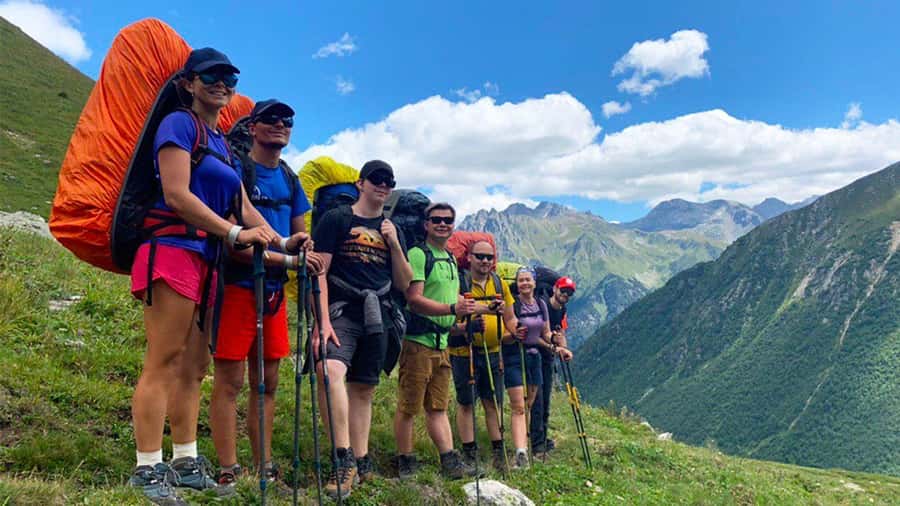
The tour suits someone who can handle long walks and several active days in a row. Day 2 is the key test at seven to eight hours, while Day 3 adds an approximately three-hour railway walk after lunch. The first day is less tiring for the legs if you are comfortable cycling downhill, but it is still a long travel day.
Bring:
- Passport
- Hiking shoes and comfortable shoes
- Sunglasses and a hat
- Sunscreen and insect repellent
- Swimwear and a towel
- Comfortable clothes and hiking pants
- Camera
- Personal medication
- Cash
A small daypack is especially important. Even though it is not clearly listed in the official packing information, the luggage problem reported on Day 3 makes this a sensible request to confirm before you leave.
You should also ask how heavy luggage is handled, where it stays during the walk, and what assistance exists if someone is injured. One account describes a serious knee injury, limited phone service, and a guide who was far ahead. That does not prove every departure will run this way, but it is enough reason to raise the question directly.
The guide can shape the whole experience
A good guide matters greatly on this route. You are not simply being driven between attractions. You need clear instructions for cycling, river crossings, hiking pace, luggage, optional activities, and Machu Picchu entry.
Gustavo Candia is repeatedly praised for his organization, warmth, English, history expertise, and attention to safety. Several people describe him as the person who made the trip memorable. That is encouraging, but the mixed account about injury support and Machu Picchu guiding means you should not rely only on a guide’s reputation.
The small group limit of 15 is helpful. A smaller group makes it easier to ask questions and keep track of one another, but it does not remove the need for clear safety procedures. At the pre-trip briefing, ask where the group regroups, who stays with slower walkers, and how to get help if phone service fails.
Who should book this four-day adventure
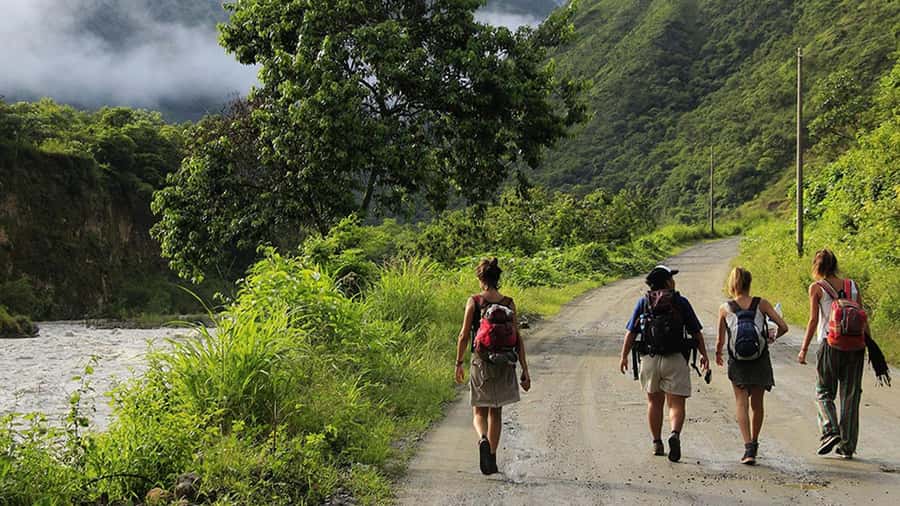
I would recommend it to active visitors who want more movement and variety than a direct train trip to Machu Picchu. It suits you if you like cycling, long walks, warm springs, jungle scenery, local hostels, and a little uncertainty.
It is also a good fit if you want the main Machu Picchu visit without committing to the full classic Inca Trail. You get ancient paths and Inca sites, but with more road travel and adventure activities.
I would be cautious if you need dependable hotel quality, detailed luggage handling, or close guide supervision at every moment. It is also a poor choice if your knees are fragile, you dislike steep descents, or you want a slow cultural tour with little exertion.
The free cancellation policy allows cancellation up to 24 hours before departure for a full refund, and reserve-now, pay-later booking keeps your money free until closer to the trip. Still, the important practical step is to confirm the Machu Picchu ticket, group category, hotel standards, luggage plan, and rafting terms before paying.
Should you book the Inka Jungle Trek?
Book it if the journey matters as much as the destination. The downhill bike ride, old Inca road, Cocalmayo hot springs, family-style lodging, and railway walk create a fuller route to Machu Picchu than a simple train transfer.
At $420, the package offers a lot for the money, especially with meals, admission, accommodation, train travel, and transport included. Go in with realistic expectations: Day 2 is hard, the rooms may be basic, rafting may be canceled without compensation, and you should insist on clear answers about luggage and guide support.
For an active person who wants a lively route and appreciates a strong guide such as Gustavo, this can be an excellent choice. For a visitor who values comfort and strict organization above adventure, spend more for a more controlled arrangement.
FAQ
How long is the Inka Jungle Trek to Machu Picchu?
The experience lasts four days and includes three nights of accommodation.
Where does the tour take place?
The route travels through the Cusco Region of Peru, from Cusco toward Machu Picchu by way of Abra Málaga, Santa María, Santa Teresa, Hidroeléctrica, and Aguas Calientes.
What languages are available for the tour?
Guiding is available in English and Spanish.
How large is the group?
The tour is limited to 15 participants.
Is Machu Picchu admission included?
Yes. Entrance to Machu Picchu is included in the tour price.
Is the bus between Aguas Calientes and Machu Picchu included?
No. Bus tickets up and down to Machu Picchu are optional and listed at $24.
Is Huayna Picchu included?
No. An optional Huayna Picchu ticket is listed at $65.
Are meals included?
Three breakfasts, three lunches, and three dinners are included. Breakfast on the first day and lunch in Aguas Calientes are not included.
Can rafting be canceled?
Yes. From January 1 through March 31, rafting depends on weather and river conditions. If high water prevents the activity, it will not take place and no refund is provided.
What transport is included after Machu Picchu?
The package includes a tourist train from Aguas Calientes to Ollantaytambo, a tourist bus from Ollantaytambo to Cusco, and private transportation from your hotel to Cusco airport.
More Amazon Jungle Trips
- 4-Day Inca Jungle Trail to Machu Picchu Hiking and Biking Tour
★ 5.0 · 438 reviews - 4-Day Adventure Tour: Inca Jungle Trail to Machu Picchu
★ 5.0 · 426 reviews - Tambopata Peruvian Amazon Jungle for Three Days/Two Nights
★ 4.5 · 329 reviews - 4-Day Inca Jungle Tour: Machu Picchu Biking, Rafting, and Zipline
★ 5.0 · 241 reviews
Just added in Urubamba
- Super Sacred Valley★ 3.8 · 6 reviews
- Machu Picchu: 1-day tour by Vistadome Panoramic train★ 4.7 · 15 reviews
- Machupicchu 2025: The best ticket Circuit 2★ 3.5 · 6 reviews
- Machu Picchu: historical and photographic guided tour★ 4.9 · 27 reviews
- Private Guide in Machu Picchu for 3 Hours★ 4.2 · 17 reviews
- from Urubamba & Ollantaytambo:Sacred Valley Full-Day Private★ 4.9 · 31 reviews
- Cusco: Sacred Valley and Salt Mines Ending in Ollantaytambo★ 4.6 · 5 reviews
- From Cusco: City Tour in Cusco – Sacsayhuamán and Koricancha★ 3.0 · 4 reviews
Machu Picchu Tours, compared.
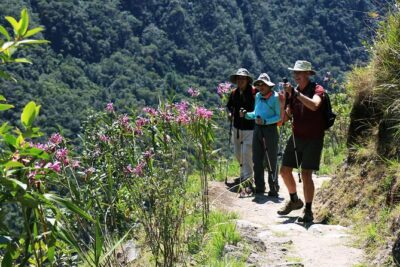
Classic Inca Trail Trek 4D/3N to Machu Picchu (Group Service)
Read our review →
2-Day Inca Trail to Machu Picchu with Panoramic Train
Read our review →
From Cusco: Full-Day Group Tour of Machu Picchu
Read our review →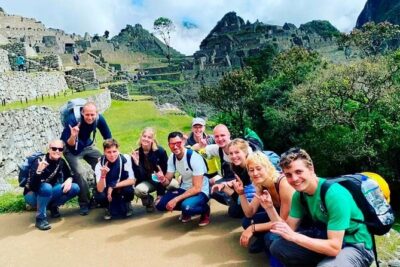
2-Day Tour: Sacred Valley and Machu Picchu by Train
Read our review →
Machu Picchu: Full-Day Tour from Cusco with Optional Lunch
Read our review →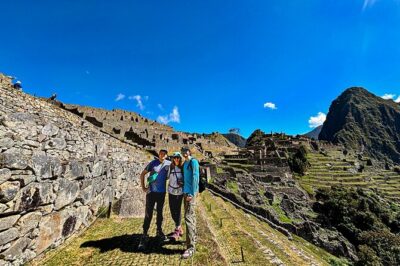
Machu Picchu Full Day from Cusco by Panoramic Train
Read our review →Browse the lists this tour appears in