
Reviewed · SACRED VALLEY TOURS
From Cusco: City Tour in Cusco – Sacsayhuamán and Koricancha
Cusco packs an empire into one afternoon. I like the contrast between Qoricancha’s Inca stonework and the huge blocks at Sacsayhuamán, and the route adds four smaller but meaningful sites beyond the city center. The main drawback is the 270-minute schedule, which can feel long if you are tired, traveling with a young child, or prefer exploring at your own pace.
This is a useful introduction to Cusco’s major Inca and colonial sights, especially if you want one guide to explain how temples, fortresses, water shrines, and military posts fit together. The $20 price is reasonable for hotel pickup, tourist transport, and a professional guide, but required admission tickets add a noticeable extra cost.
One practical warning: traffic and short stops can make a guided vehicle feel less efficient than walking around central Cusco. A taxi ride to Sacsayhuamán can cost about 10 soles, so independent visitors may prefer choosing their own order and pace.
In This Review
- Key points to know before booking
- Why this half-day route works in Cusco
- Qoricancha, where Inca gold met a Spanish convent
- Sacsayhuamán and the massive stones above Cusco
- Qenqo reveals a more private ritual world
- Puca Pucara, the Inca checkpoint
- Tambomachay and the worship of water
- What the $20 price really includes
- The 270-minute schedule and who will enjoy it
- How this tour compares with going independently
- Booking advice for a smoother visit
- Should you book the Cusco city tour?
- FAQ
- How long does the tour last?
- What sites are included?
- Is hotel pickup included?
- Is transportation included?
- Is a guide included?
- What languages are available?
- Is the Qoricancha entrance included?
- Do I need a tourist ticket?
Key points to know before booking
- Qoricancha combines Inca and Spanish history: The Temple of the Sun is now partly covered by the Convent of Santo Domingo.
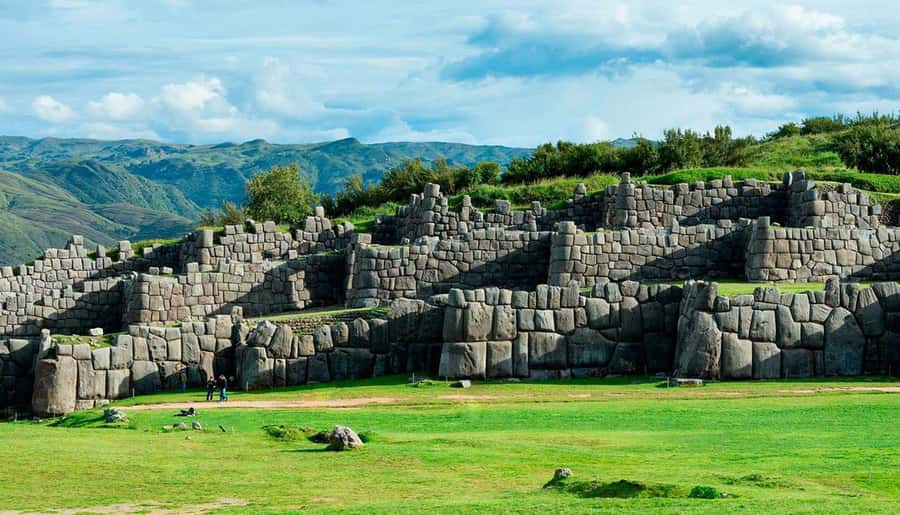
- Sacsayhuamán provides the big visual moment: Enormous stone blocks and broad views over Cusco make this the tour’s strongest outdoor stop.
- Qenqo is small but unusual: Its tunnels, canals, amphitheater, and rock-carved altar show a more ritual side of Inca culture.
- Puca Pucara and Tambomachay complete the northern circuit: One guarded movement through the valley, while the other focused on water worship.
- The advertised duration is 4.5 hours: That gives you a lot of ground, but it can feel heavy if you are not rested.
- Budget for extra admission: Qoricancha costs 20 soles, and the tourist ticket costs between S/70 and S/120, depending on the ticket type.
Why this half-day route works in Cusco
Cusco is not just a city with one famous ruin on its edge. The old Inca capital is filled with different kinds of sacred, military, and ceremonial places. This tour gives you a quick framework for understanding them.
You begin in the city at Qoricancha, then move uphill and outward to Sacsayhuamán, Qenqo, Puca Pucara, and Tambomachay. The sequence works well because it moves from the most important religious center to a major fortress, then through smaller sites connected to ritual, defense, and water.
I like this arrangement for a first full day in Cusco. You get a guide, transportation, and a clear route instead of spending time working out how to connect the sites yourself. The tradeoff is control. You will not linger wherever you want, and the return to the historic center comes at the end of the circuit.
The listed duration is 270 minutes, or four and a half hours. That is long enough to see the main places without giving up an entire day, but early starts and altitude can make the outing feel more tiring than the clock suggests. Take the schedule seriously if you have just arrived in Cusco.
More Sacred Valley trips:
- Cusco:Sacred Valley Pisaq,Ollantaytambo,Chinchero with Lunch
★ 4.8 · 183 reviews - Valle Sagrado:Chinchero, Moray, Maras, Ollantaytambo y Pisac
★ 4.5 · 116 reviews - Machu Picchu: Group Guided Tour
★ 4.7 · 102 reviews
Qoricancha, where Inca gold met a Spanish convent
Qoricancha, also written as Koricancha, was the most sacred Inca temple dedicated to the Sun God. The Spanish Convent of Santo Domingo was built on top of it, creating one of Cusco’s clearest examples of two eras sharing the same site.
This is the best place to begin because the contrast is easy to see. The Inca foundation represents the older sacred center, while the convent reflects the Spanish religious order that followed. A guide can help you read the building as more than a church visit or an archaeological stop.
The temple is also known for its collection of canvases from the Cusqueña School. That gives the visit a different tone from the stone sites later in the day. You are not only looking at walls and foundations, but also at colonial religious art.
Admission to Qoricancha is not included. You pay 20 soles separately, so add that to the advertised $20 tour price. If you want the optional Cathedral of Cusco visit, that is another extra, and the cathedral is not part of the standard included program.
Allow yourself a little mental space here. Qoricancha has several layers of meaning, and a rushed visit can reduce it to a quick photo stop. The tour format helps with orientation, but you may want to ask your guide to explain which areas belong to the Inca temple and which relate to the later convent.
Sacsayhuamán and the massive stones above Cusco
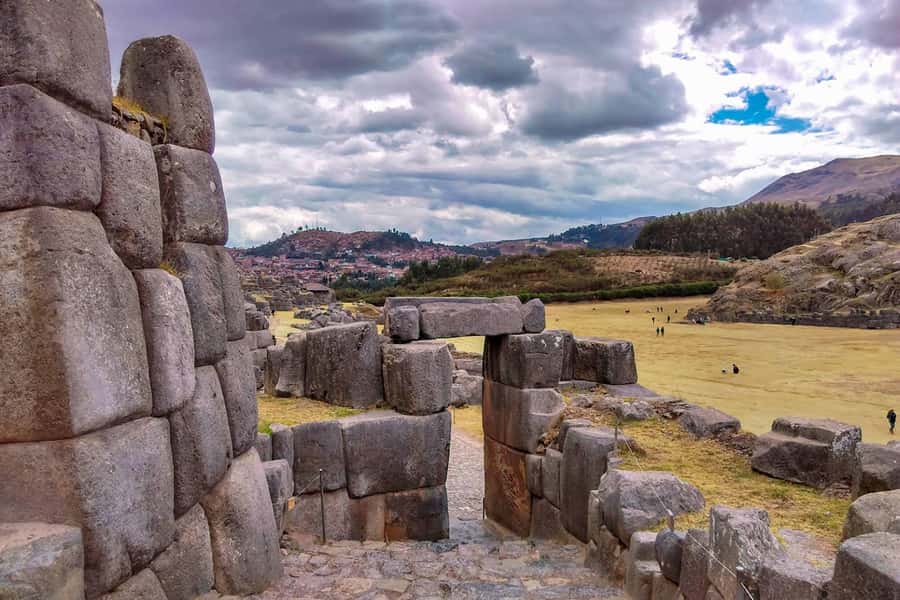
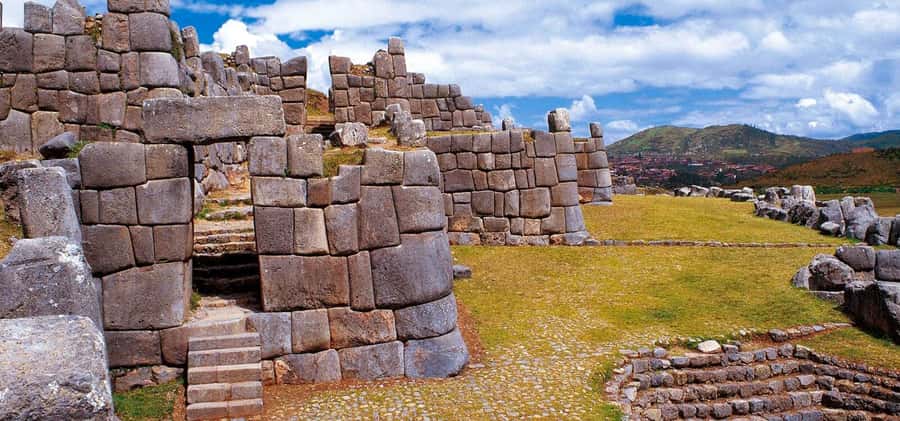
Sacsayhuamán is the tour’s biggest outdoor attraction. This imposing ceremonial fortress is built from enormous stone blocks and sits above the city, giving you panoramic views across Cusco.
The scale is the point. At Qoricancha, the interest comes from sacred purpose and layered architecture. At Sacsayhuamán, you mainly feel the engineering challenge of moving and fitting huge stones. The walls are the kind of sight that makes a short stop worthwhile even when you have already visited several ruins.
You should also expect walking and some exposure to the elements. The provided information does not specify walking distances, surface conditions, or rest areas, so plan for a site where you may need comfortable shoes and a steady pace. Cusco’s altitude can make even ordinary uphill movement feel harder.
Sacsayhuamán is close enough to Cusco that independent visitors can reach it by taxi. A fare of about 10 soles has been used for the trip, which matters when you compare the tour with doing the route yourself. The tour offers more than transport, of course, but the price difference may appeal to people who want a short, self-directed visit.
The guide is most useful here when explaining why the site mattered as a ceremonial and defensive center. Without that context, you mainly see walls and views. With it, the stones become part of the city’s larger story.
Qenqo reveals a more private ritual world
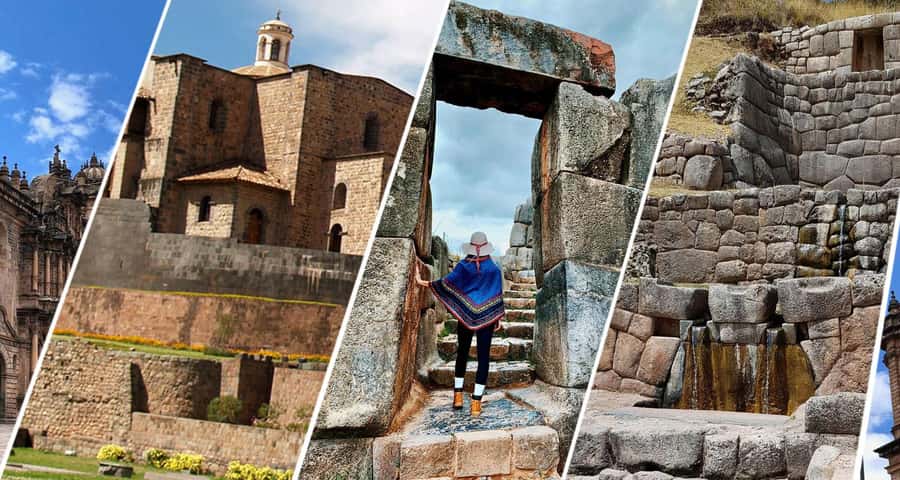
Qenqo is a ceremonial and ritual center that was also an amphitheater. Its tunnels, canals, and rock-carved altar give the site a more enclosed and mysterious feel than Sacsayhuamán.
The appeal is in the details. Instead of a huge open fortress, you get carved stone and spaces linked to religious rituals. The site may not make the same immediate visual impact as Sacsayhuamán, but it adds meaning to the day by showing how ceremonies could take place in carefully shaped natural and built spaces.
You should listen closely to the guide here. Qenqo is the kind of stop that can pass quickly if you only look at the main rock. The tunnels and channels are central to understanding the site, and the explanation helps you see why the altar mattered.
Because this is one stop among five, do not expect a long, slow archaeological visit. The value is in the combined route. Qenqo fills a gap between the large ceremonial complex at Sacsayhuamán and the more specialized functions of Puca Pucara and Tambomachay.
More city tours in Urubamba:
- Cusco: City Tour with Inca Archaeological Treasures
★ 5.0 · 28 reviews - Cusco in 3 days: city tour, Rainbow Mountain and Machupicchu
★ 4.9 · 7 reviews - Lima Half-Day City Walking Tour (Small Groups)
★ 5.0 · 1,508 reviews - Cusco: Half-Day City Tour with Sacsayhuaman and Q’enco
★ 4.6 · 1,129 reviews
Puca Pucara, the Inca checkpoint
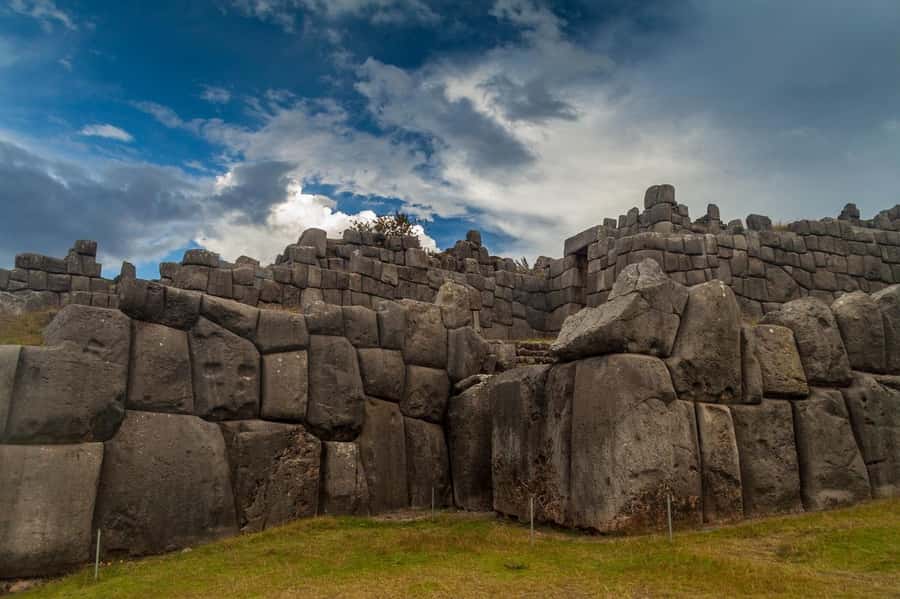
Puca Pucara was a military fortress used as a checkpoint and surveillance post on the Inca Trail to the valley. Its purpose makes it different from both Qenqo and Sacsayhuamán.
Here, the key idea is movement and control. The site helped watch people and routes rather than serve mainly as a temple. Your guide can connect the remaining structures to the wider Inca road system and explain why a post in this position mattered.
Puca Pucara is not described as the largest or most elaborate stop, so keep your expectations in proportion. It works best as part of the full circuit. On its own, it may not justify a special trip for someone with limited time, but it rounds out the tour by adding the military side of Inca planning.
The stop also breaks up the day. After the visual weight of Sacsayhuamán and the ritual focus of Qenqo, Puca Pucara gives you a practical question to consider: how did the Inca state monitor people, goods, and access through the valley?
Tambomachay and the worship of water
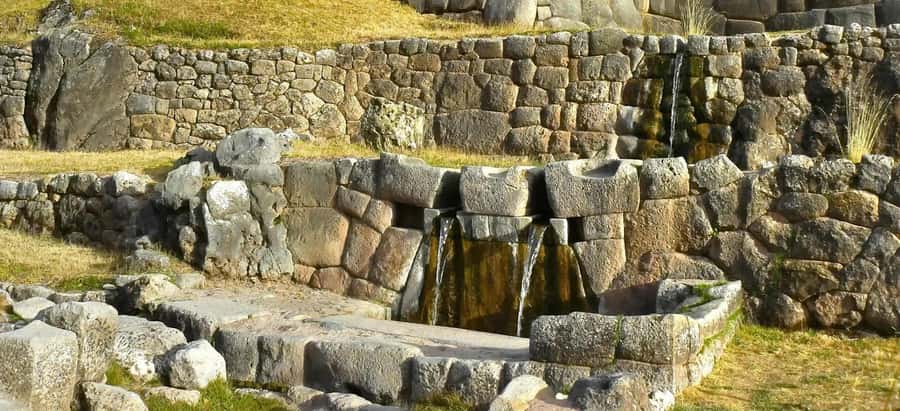
Tambomachay is known as the Bath of the Inca. It displays an ancient hydraulic system connected to the worship of water.
Water gives this final site its character. The place is not presented simply as a bath for daily use. Its channels and flow were tied to religious belief, showing how practical engineering and sacred purpose could exist together.
I find Tambomachay valuable because it keeps the tour from becoming a parade of walls. By the end of the circuit, you have seen a temple, fortress, ritual center, checkpoint, and water shrine. That range gives you a better sense of how many roles Inca sites could serve.
The supplied details do not state the exact walking route, time spent at the site, or whether water is flowing on every visit. Expect an interpretive stop rather than a long activity. Your guide’s explanation will do much of the work here.
What the $20 price really includes
At $20 per person, the base price is attractive for a 4.5-hour guided outing. You receive pickup from your hotel at the start, tourist transportation, and a professional tourism guide. English and Spanish guiding are available.
The price is not all-inclusive. Qoricancha costs 20 soles, and the required tourist ticket costs S/70 to S/120. The final total therefore depends on which ticket applies to your route and what you already have. If you bought a tourist ticket for another tour, you can show that ticket instead of buying another one.
The Cathedral of Cusco is optional and costs extra. Make sure you understand that before setting your budget. The low headline price can look different once admissions are added.
Still, the package can be good value if you want the logistics handled. Five sites in half a day would take planning, transport, and some knowledge of where each place fits. The guide also gives you historical context that a taxi alone cannot provide.
The value drops if you only want Qoricancha and Sacsayhuamán. In that case, a self-guided plan may cost less and let you spend more time at the two sites that interest you most. One independent account found a taxi to Sacsayhuamán for about 10 soles, which is useful when comparing options.
The 270-minute schedule and who will enjoy it
This tour suits you best if you want a broad first look at Cusco’s major Inca sites and do not mind moving on before every detail has sunk in. It is also practical if you prefer a guide and included transport over arranging each ride yourself.
You may find the schedule tiring if you are traveling with a seven-year-old, have just arrived at altitude, or dislike early starts. A direct account from a parent described the duration as heavy and the early departure as exhausting, then preferred visiting independently at a slower pace.
That criticism is fair, especially because central Cusco can be awkward for vehicles. Cars are not always the best way to explore the historic center, and a guided pickup may feel less convenient than walking between central stops. The route’s main purpose is reaching the outer sites, not providing a leisurely city stroll.
I would avoid booking this as your first activity immediately after a long flight. Give yourself time to rest and adjust if possible. The tour covers a lot, and you will enjoy the stonework and views more if you are not trying to stay awake.
The professional guide is a major part of the value. English and Spanish are offered, so check that your preferred language is available at the time you select. No guide names are provided, so the quality of the commentary will depend on the person assigned to your departure.
How this tour compares with going independently
Going independently gives you control over time, order, and energy. You can spend longer at Qoricancha, take a taxi to Sacsayhuamán, and decide later if you still want to continue to Qenqo, Puca Pucara, and Tambomachay.
The guided tour gives you structure. You do not need to arrange separate transport for the outer sites, and you receive explanations at each stop. For a first visit, that can prevent the day from becoming a string of impressive but disconnected ruins.
I would choose the tour if you have one free half-day and want a clear overview. I would choose independent visits if you have already studied Inca history, want photographs without a fixed pace, or are traveling with a young child who may need breaks.
The city center itself may be better on foot. The outer circuit is where organized transportation makes more sense. That distinction is important: the tour is not necessarily the best way to see every corner of Cusco, but it can be a practical way to link the sites outside the center.
Booking advice for a smoother visit
Budget for the separate Qoricancha fee and tourist ticket before you book. If you already hold a valid tourist ticket from another tour, bring it with you.
Wear comfortable footwear and prepare for a half-day of moving between sites. The supplied details do not promise meals, drinks, or extra free time, so do not treat this as a relaxed sightseeing lunch outing.
If you are unsure about your stamina, check the available starting times before paying. You can reserve now and pay later, and cancellation is free up to 24 hours in advance for a full refund. Those terms help if your arrival day or altitude adjustment is uncertain.
Pick this tour for breadth, transport, and basic historical guidance. Skip it if your priority is a slow, flexible day or if you only want the two headline sights.
Should you book the Cusco city tour?
I would book this tour if you want to see Qoricancha, Sacsayhuamán, Qenqo, Puca Pucara, and Tambomachay in one organized half-day. The $20 starting price is fair for hotel pickup, transport, and a professional English or Spanish guide, provided you add the required entrance fees to your budget.
I would not book it for a very young child, a tired arrival day, or a visit focused only on central Cusco. In those cases, walking around the center and taking a taxi to Sacsayhuamán may give you more control.
For most first-time visitors with limited time, this is a useful overview rather than a slow archaeological study. Go for the range of sites and the guide, not for a leisurely pace.
FAQ
How long does the tour last?
The tour lasts 270 minutes, which is four and a half hours.
What sites are included?
The route includes Qoricancha, Sacsayhuamán, Qenqo, Puca Pucara, and Tambomachay, followed by a return to Cusco’s historic center.
Is hotel pickup included?
Yes. Pickup from your hotel is included at the start of the tour.
Is transportation included?
Yes. Tourist transportation is included.
Is a guide included?
Yes. A professional tourism guide is included.
What languages are available?
The live guide service is available in English and Spanish.
Is the Qoricancha entrance included?
No. Qoricancha admission costs 20 soles and must be paid separately.
Do I need a tourist ticket?
The tourist ticket is not included. The listed cost is S/70 to S/120, or you can show a tourist ticket you already purchased for another tour.
Just added in Urubamba
- Super Sacred Valley★ 3.8 · 6 reviews
- Machu Picchu: 1-day tour by Vistadome Panoramic train★ 4.7 · 15 reviews
- Machupicchu 2025: The best ticket Circuit 2★ 3.5 · 6 reviews
- Machu Picchu: historical and photographic guided tour★ 4.9 · 27 reviews
- Private Guide in Machu Picchu for 3 Hours★ 4.2 · 17 reviews
- from Urubamba & Ollantaytambo:Sacred Valley Full-Day Private★ 4.9 · 31 reviews
- Cusco: Sacred Valley and Salt Mines Ending in Ollantaytambo★ 4.6 · 5 reviews
- Cusco: Valle Sagrado VIP, Maras, Moray y Almuerzo Buffet★ 4.8 · 34 reviews
Sacred Valley Tours, compared.
From Cusco: Sacred Valley & Maras Salt Mines Tour with Lunch
Read our review →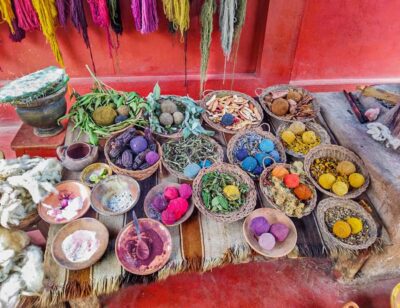
From Cusco: Moray, Maras Salt Mines & Chinchero Weavers Tour
Read our review →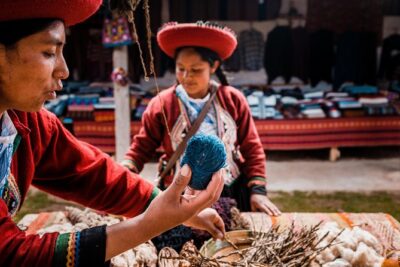
2-Day Tour: Sacred Valley and Machu Picchu by Train
Read our review →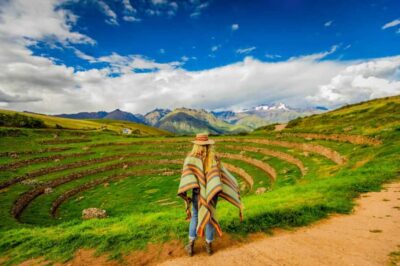
Sacred Valley, Pisac, Ollantaytambo, Salt Mines Moray
Read our review →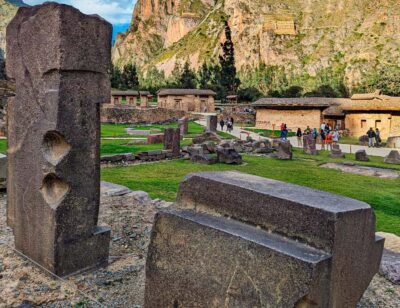
Chinchero,Moray & Salt Mines drop-off in Ollantaytambo
Read our review →
Sacred Valley and Maras Moray Tour with Full Day Buffet Lunch
Read our review →

Browse the lists this tour appears in