Reviewed · SACRED VALLEY TOURS
Valle Sagrado:Chinchero, Moray, Maras, Ollantaytambo y Pisac
Five Andean stops, one very long day. This $20 Sacred Valley tour packs Chinchero, Moray, Maras, Ollantaytambo, and Pisac into a single trip from Cusco. I like the route because it combines Inca engineering, living craft traditions, salt production, and major archaeological sites rather than showing you ruins alone. I also like the bilingual guides, with guides such as Cristian, Sandro, Rudy, and Jonathan praised for clear explanations and patient help.
The main drawback is the pace. Pickup begins around 6:30 a.m., and you return to Cusco near 7 p.m., so this is a full day of roads, stairs, short visits, and scheduled stops. You will see a great deal, but you will not have much spare time at each place. Lunch and entrance fees also add to the advertised $20 price.
In This Review
- Key points to know before you book
- Why this Sacred Valley route works so well
- The early start from Cusco
- Chinchero: Inca foundations and a colonial church
- Moray: Inca agriculture in giant stone circles
- Maras: Salt pans still shaped by water and work
- Urubamba: the midday buffet stop
- Ollantaytambo: monumental stonework and a useful train stop
- Pisac: terraces, cemetery, and a strong final stop
- The real cost: $20 is only the starting point
- What guides and drivers add to the day
- Who should book this full-day tour?
- Should you book it?
- FAQ
- What places does the tour visit?
- How long does the tour last?
- Is hotel pickup included?
- What languages are available?
- Is lunch included?
- How much are the entrance fees?
- What is included in the $20 price?
- Can I leave the tour in Ollantaytambo for a train?
- What should I bring?
- Can I cancel the booking?
Key points to know before you book
- Moray’s circular terraces show how the Inca used changing elevations to study crops and growing conditions.
- Maras salt pans are still worked through a system of small pools fed by naturally salty water.
- Ollantaytambo can be a useful drop-off point if you are catching a train to Aguas Calientes.
- Pisac is a highlight for many people, with broad terraces and one of the best-preserved Andean cemeteries.
- The day is excellent value for sightseeing, but the extra 70 soles for entrance tickets, 20 soles for the salt mines, and lunch must be planned.
- Punctuality matters because the bus continues after each pickup, and missed departures are not held.
Why this Sacred Valley route works so well
I like this tour because it gives you several different ways to understand the Sacred Valley. Chinchero and Ollantaytambo show stonework and Inca planning. Moray reveals agricultural experimentation. Maras connects old farming methods with a working local industry. Pisac brings the day back to terraces, burial customs, and mountain views.
That variety matters. A tour built only around ruins can become a blur of carved stone and guide speeches. Here, the salt pans and weaving stops add ordinary work and local skill to the picture. You get a better sense of how the valley supported people, not just how its rulers built monuments.
The trade-off is that the route covers a lot of ground. You are not getting a slow, reflective day in one village. You are getting a broad first look at the valley, with a guide helping you connect the stops.
More Sacred Valley trips:
- Cusco:Sacred Valley Pisaq,Ollantaytambo,Chinchero with Lunch
★ 4.8 · 183 reviews - Machu Picchu: Group Guided Tour
★ 4.7 · 102 reviews - Machu Picchu: Tour Guide Service & Entrance Ticket Circuit-2
★ 4.6 · 90 reviews
The early start from Cusco
Pickup is scheduled for about 6:30 a.m. from hotels in Cusco’s historic center. The guide contacts you roughly 10 minutes before arrival through the WhatsApp number used for the booking. If you do not use WhatsApp, an agent is supposed to confirm the details by email the day before.
Take the pickup time seriously. You are responsible for being ready at the designated place, and the vehicle continues to the next scheduled pickup if you are not there. I would have your passport or identification, cash, water, and a light layer ready before going to bed.
The tour provides tourist transport and a bilingual guide in English and Spanish. The group size can vary, but one recent booking had only eight passengers, which made the long day easier and allowed the guide to give more personal help. Do not assume every departure will be that small.
Altitude is part of the Cusco experience, and the tour advice is simple: drinking coca tea before departure may help prevent altitude sickness. It is also wise to pace yourself at the archaeological sites. The company lists the experience as unsuitable for pregnant women.
Chinchero: Inca foundations and a colonial church
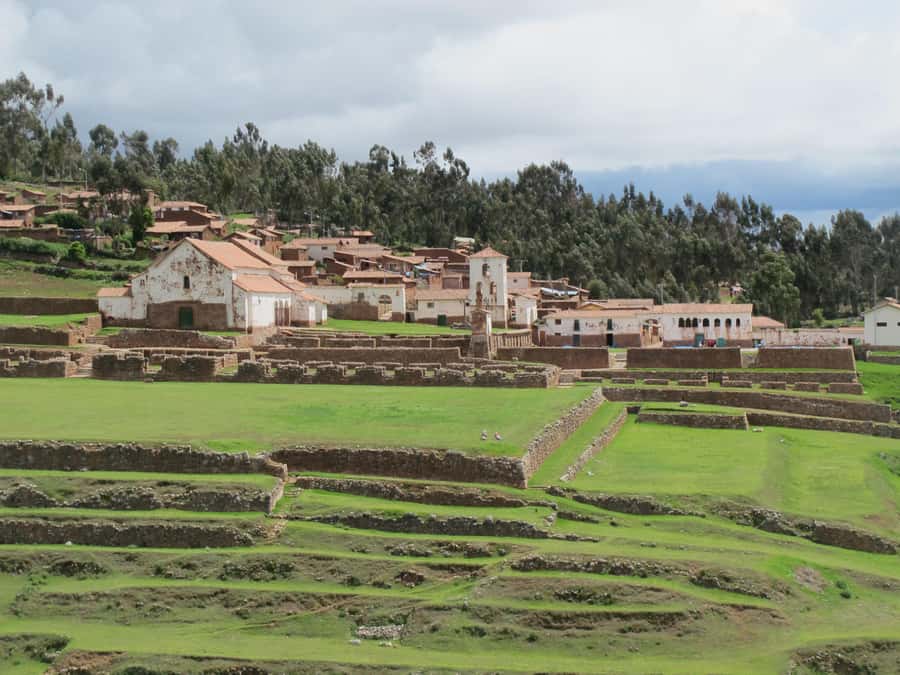
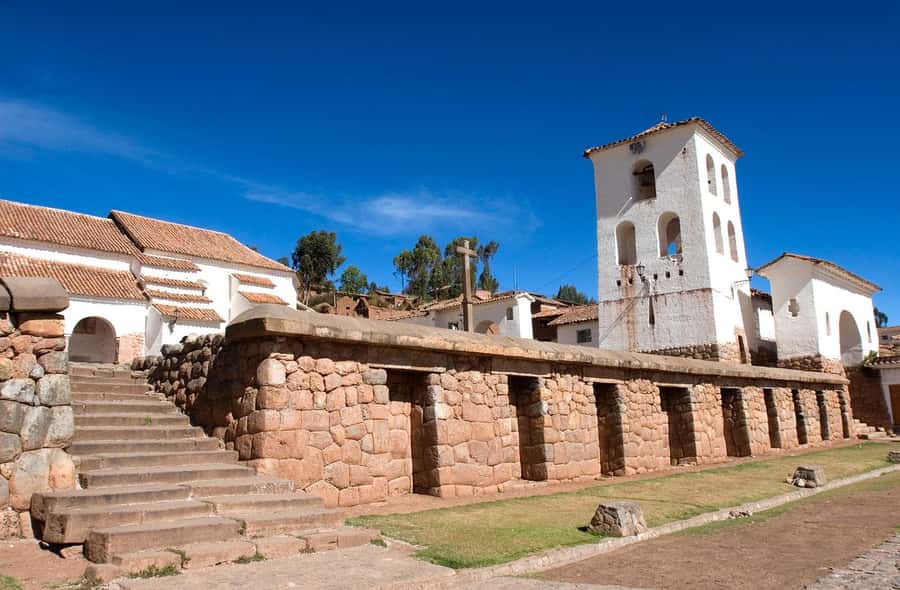
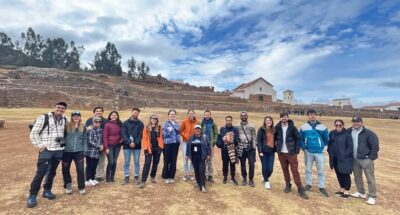
Chinchero is the first stop, and it sets up the main theme of the day: old Andean traditions continuing beside Spanish colonial influence. You visit the archaeological site and the colonial temple, seeing how two periods of Peruvian history share the same town.
Your guide is important here. At Chinchero, a short explanation can make the stonework, terraces, and religious buildings much easier to understand. Guides Cristian and Sandro received especially warm praise for explaining history in clear English and Spanish, while Rudy was noted for his help with photographs and his friendly manner.
This stop can also include a presentation about local crafts, particularly alpaca textiles. That may feel like a sales stop, but it also gives you a chance to see how traditional weaving is explained and displayed. You are not required to buy anything. If you are interested in textiles, it can be useful. If you prefer archaeology only, keep your expectations modest and remember that the schedule is already tight.
Moray: Inca agriculture in giant stone circles
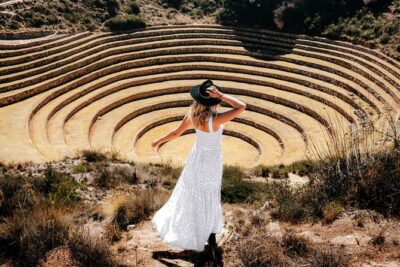
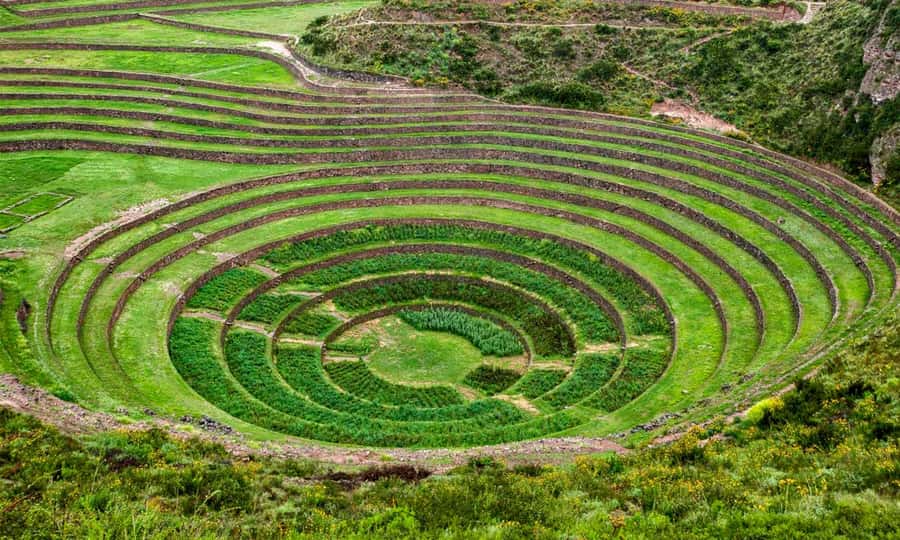
Moray is one of the most unusual sights on the route. Its terraces form broad circular depressions, dropping in rings toward the center. The shape is memorable, but the purpose is what makes the site special.
The tour describes Moray as an agricultural laboratory. The different terrace levels created varied growing conditions, allowing Andean farmers to work with crops at different temperatures and elevations. You do not need a long lecture to appreciate the idea: the Inca were not simply building pretty terraces. They were adapting agriculture to difficult mountain conditions.
The visit is visual, but listen closely to the guide’s explanation. Without context, Moray can look like a dramatic set of circles in the ground. With context, it becomes evidence of planning, testing, and careful use of local conditions.
Because several major stops are packed into one day, your time at Moray may be limited. Bring a phone or camera, but do not spend the whole visit looking through a screen. The form of the terraces is easiest to understand when you take in the full depression from an overlook.
A completely different kind of day:
- From Cusco: Chinchero, Moray, Maras and Ollantaytambo
★ 4.5 · 83 reviews - Cusco: Valle Sagrado VIP, Maras, Moray y Almuerzo Buffet
★ 4.8 · 34 reviews - from Urubamba & Ollantaytambo:Sacred Valley Full-Day Private
★ 4.9 · 31 reviews - Cusco: One Day Tour to Machu Picchu with Train Transfers
★ 4.8 · 28 reviews
Maras: Salt pans still shaped by water and work
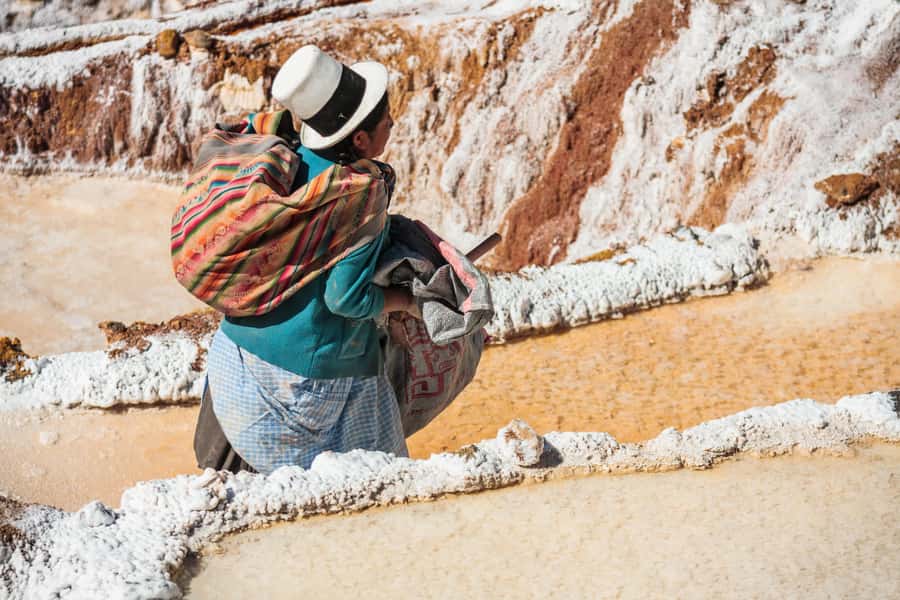
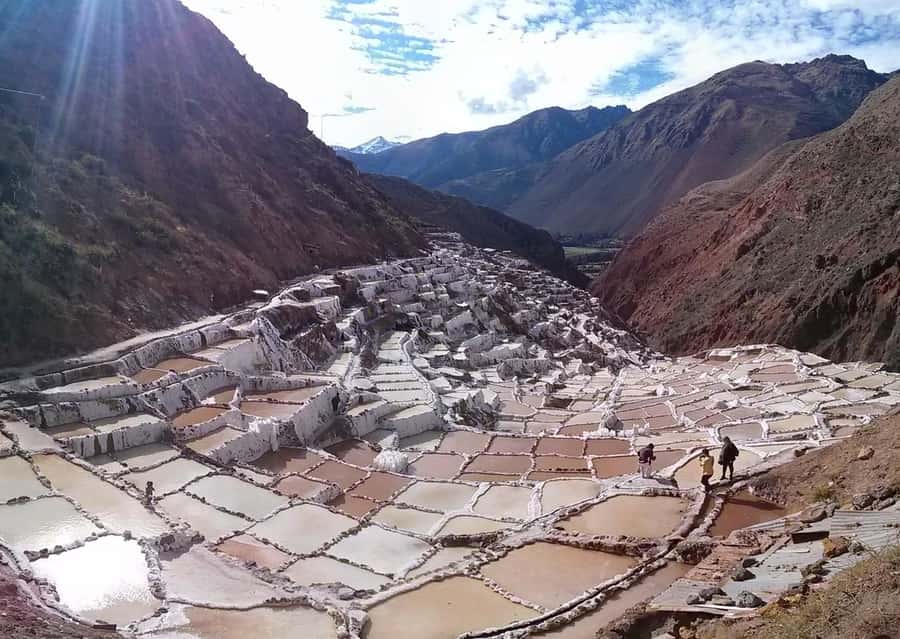
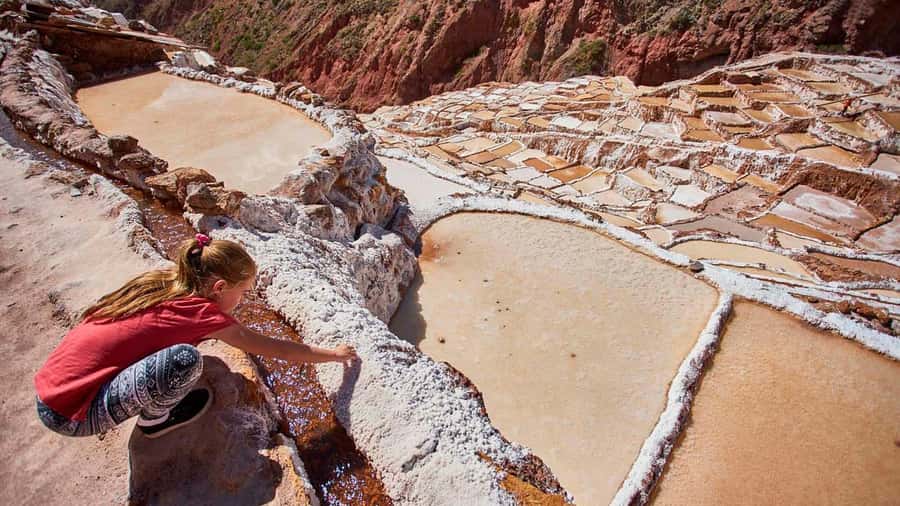
The Salineras, or salt mines of Maras, are among the most striking parts of this trip. Thousands of small salt ponds spread across the mountainside, each one catching water and leaving salt behind as it evaporates.
The important point is that this is not simply an abandoned Inca site. Salt production here continues through a traditional system, and the small pools create a patterned view that changes with the light and season. The tour explains that the salt pans have been exploited since the Inca period.
You pay a separate 20 soles entrance fee for the salt mines. That cost is not included in the $20 tour price, so keep local currency available. Cash is also useful for lunch and any optional purchases at craft or salt stops.
One of the strongest practical tips from the day is to bring sun protection. A past visitor found the heat intense and said an umbrella made the walk easier. You should also expect the salt pans to be a viewing stop rather than a place for a long, quiet stroll. The road schedule continues, and the site can be busy.
Urubamba: the midday buffet stop
After Moray and Maras, the bus continues to Urubamba for free time and lunch. Lunch is not included in the tour price. A buffet option has been reported at around 30 soles per person, though the exact charge can vary.
The buffet format is practical for a mixed group because you can choose from several dishes and get back on the road without a long restaurant order. Regional food mentioned during this type of stop includes ceviche, lomo saltado, and ají de gallina.
Food quality may not be perfectly consistent. One person enjoyed the meal but found some dishes cold when they should have been hot. Others described the buffet as tasty and varied. I would treat lunch as convenient fuel rather than a reason to book the tour. If you have strong dietary needs, ask what is available before serving yourself.
This is also your best chance to rest. Use the bathroom, refill water, and check that you still have your ticket money and identification. The afternoon includes two large archaeological centers, so a calm lunch break helps.
Ollantaytambo: monumental stonework and a useful train stop
Ollantaytambo is one of the day’s major archaeological visits. The town is also a train terminal for people continuing to Aguas Calientes, the gateway to Machu Picchu. Some passengers leave the tour here rather than returning to Cusco, so tell the operator in advance if that is your plan and confirm the exact arrangements.
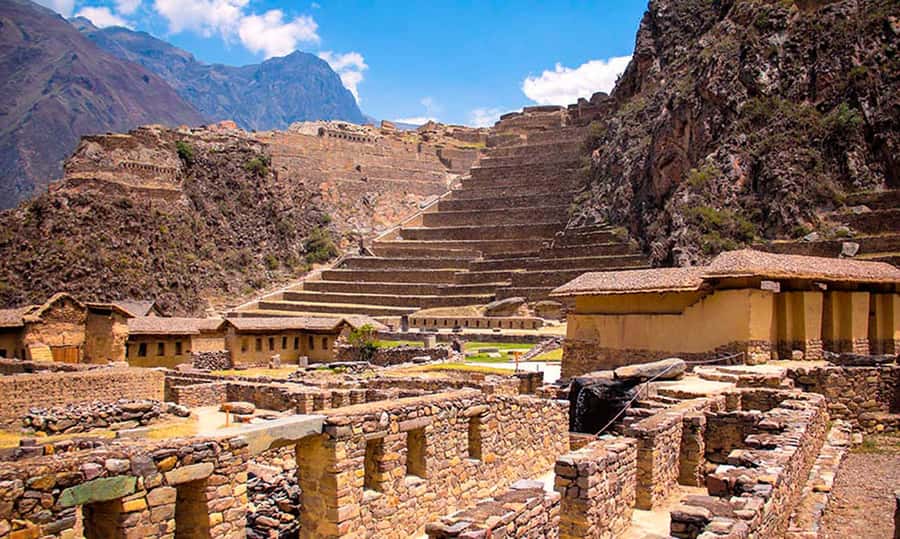
The archaeological area is known for large terraces and carefully fitted stone construction. Your guide will explain the site’s role and point out the features that are easy to miss when you are walking with a group.
This stop needs patience and attention to time. The terraces involve uphill walking and steps, and the altitude can make even a short climb feel harder than expected. One account described the visit as slightly rushed, while another praised the guide for anticipating delays and helping people obtain tickets before moving on.
That contrast tells you what to expect. A good guide can keep the group moving and still make the site meaningful, but the schedule leaves little room for wandering. Stay close to the group and listen for the meeting time. At a busy archaeological center, it is easy to lose sight of the guide.
Pisac: terraces, cemetery, and a strong final stop
Pisac is the final archaeological visit before the return to Cusco, and it is a fitting ending. The site includes broad Andean terraces and what the tour describes as the best-preserved Andean cemetery in the area.
For me, Pisac has the strongest mix of setting and historical interest. The terraces show how much labor went into farming on steep ground, while the cemetery adds a more personal view of Andean society. You are not only looking at walls. You are considering food production, burial traditions, and the scale of a settlement spread across the mountains.
Several visitors have singled out Pisac as their favorite stop. That makes sense, but remember that the tour reaches it late in the day. You may be tired after Chinchero, Moray, Maras, lunch, and Ollantaytambo. Save some energy for Pisac rather than treating the final stop as an afterthought.
The guide’s role is especially valuable here. Names such as Cristian, Jonathan, and Victor have been associated with clear site explanations and attentive group care. A good guide can help you understand why the terraces matter instead of leaving you with only a scenic photograph.
The real cost: $20 is only the starting point
At $20 per person, the tour offers strong value for transport, hotel pickup in Cusco’s historic center, and a bilingual guide over a long day. Booking separate transport to five major places would be difficult and likely more expensive.
But the advertised price does not cover everything. You need to add:
- 70 soles for archaeological entrance tickets
- 20 soles for the Maras salt mines
- Lunch in Urubamba, with one reported buffet price of about 30 soles per person
- Cash for personal purchases or snacks
That means you should judge the tour by its total day cost, not the headline price alone. Even with those additions, the route remains a practical way to see several Sacred Valley highlights in one day. It is particularly useful if you have limited time in Cusco.
The value drops if you dislike group schedules or want long visits at each site. In that case, a private tour or a slower multi-day plan may suit you better, though the supplied information does not provide prices for those alternatives.
What guides and drivers add to the day
The strongest praise goes to the guides. Cristian is repeatedly described as professional, friendly, attentive, and clear in both English and Spanish. Sandro was praised for thoughtful explanations, personal care, and even taking good photographs. Rudy received credit for his enthusiasm and help with pictures, while Jonathan was noted for managing ticket delays and keeping the day moving.
Those details matter because this is not a self-explanatory route. Moray, Maras, and the archaeological centers each need context. A guide who knows when to explain, when to move on, and how to help a tired group can change the feel of the whole day.
The driver matters too. One account specifically praised Willy for safe driving, and another described the driver as friendly and careful. You spend many hours in the vehicle, so steady driving is not a small detail.
Who should book this full-day tour?
I would choose this tour if you want a first look at the Sacred Valley and prefer to cover several important places in one day. It suits visitors with limited time, people who want transport handled for them, and anyone who values historical explanation over independent wandering.
It also works well for English or Spanish speakers who want a bilingual guide. The guide may switch between languages, so ask for clarification if you miss a point.
I would hesitate if you need a relaxed schedule, dislike sales presentations connected with local crafts, or want to spend half a day at one archaeological center. The itinerary is long, and one person described it as rushed, including a problem at Ollantaytambo when someone was left behind. Stay alert, follow meeting instructions, and do not assume the bus will wait.
Free cancellation is available up to 24 hours before the tour for a full refund, and you can reserve now and pay later. Those policies make it easier to fit the day around changing Cusco plans.
Should you book it?
Book it if your priority is maximum sightseeing for a low starting price. You will see five important Sacred Valley stops, learn how Moray and Maras work, and get the practical help of a bilingual guide.
Skip it if you want slow photography, private attention, or long meals. The day runs from about 6:30 a.m. to 7 p.m., and the best experience comes when you accept its brisk rhythm. Bring cash, protect yourself from the sun, guard your pickup times, and save a little energy for Pisac.
FAQ
What places does the tour visit?
The route includes Chinchero, Moray, the Maras salt pans, Urubamba, Ollantaytambo, and Pisac.
How long does the tour last?
It is a full-day tour. Pickup begins around 6:30 a.m., and the return to Cusco is scheduled for about 7 p.m.
Is hotel pickup included?
Yes. Pickup is included for hotels in Cusco’s historic center.
What languages are available?
The live guide service is available in English and Spanish.
Is lunch included?
No. Lunch is not included. The group goes to a buffet restaurant in Urubamba, and one reported price was 30 soles per person.
How much are the entrance fees?
The listed archaeological entrances cost 70 soles, and the Maras salt mine entrance costs 20 soles. These fees are not included in the tour price.
What is included in the $20 price?
The price includes hotel pickup from the historic center of Cusco, tourist transport, and a bilingual guide.
Can I leave the tour in Ollantaytambo for a train?
Ollantaytambo is also a train terminal, and some passengers stay there to take a train to Aguas Calientes. Confirm your plans with the operator before the tour.
What should I bring?
Bring your passport or identification and cash. Sun protection, water, and an umbrella may also be useful, especially on hot days.
Can I cancel the booking?
You can cancel up to 24 hours in advance for a full refund. You can also reserve now and pay later.
Just added in Urubamba
- Super Sacred Valley★ 3.8 · 6 reviews
- Machu Picchu: 1-day tour by Vistadome Panoramic train★ 4.7 · 15 reviews
- Machupicchu 2025: The best ticket Circuit 2★ 3.5 · 6 reviews
- Machu Picchu: historical and photographic guided tour★ 4.9 · 27 reviews
- Private Guide in Machu Picchu for 3 Hours★ 4.2 · 17 reviews
- from Urubamba & Ollantaytambo:Sacred Valley Full-Day Private★ 4.9 · 31 reviews
- Cusco: Sacred Valley and Salt Mines Ending in Ollantaytambo★ 4.6 · 5 reviews
- From Cusco: City Tour in Cusco – Sacsayhuamán and Koricancha★ 3.0 · 4 reviews
Sacred Valley Tours, compared.
From Cusco: Sacred Valley & Maras Salt Mines Tour with Lunch
Read our review →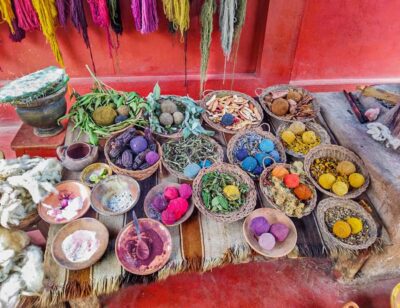
From Cusco: Moray, Maras Salt Mines & Chinchero Weavers Tour
Read our review →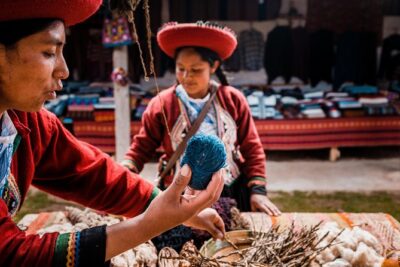
2-Day Tour: Sacred Valley and Machu Picchu by Train
Read our review →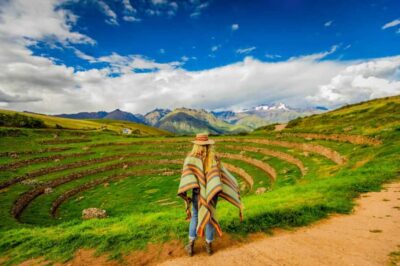
Sacred Valley, Pisac, Ollantaytambo, Salt Mines Moray
Read our review →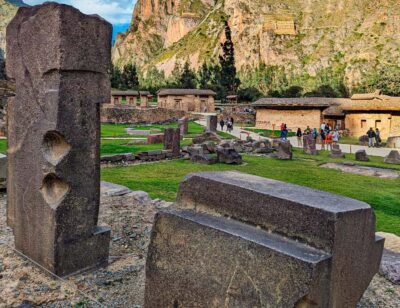
Chinchero,Moray & Salt Mines drop-off in Ollantaytambo
Read our review →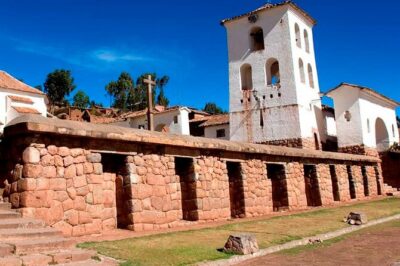
Sacred Valley and Maras Moray Tour with Full Day Buffet Lunch
Read our review →