Reviewed · SACRED VALLEY TOURS
Super Sacred Valley
Four Inca sites in one day. This Super Sacred Valley tour packs Chinchero, Moray, Maras, Ollantaytambo, and Pisac into a long loop from Cusco, giving you a useful first look at the region’s archaeology, farming, salt production, and living communities. I especially like the mix of major sites and local contact, plus the included buffet lunch in Urubamba.
I also like that the guide speaks English and Spanish, with one guide, Emil, praised for explaining the Inca sites carefully and repeating information in both languages when needed. The main drawback is the pace: a 7:00 am departure and return around 7:00 pm leave little room to linger, and the small 17-seat bus may feel tight on a full day.
In This Review
- Key points at a glance
- What this one-day Sacred Valley route tries to do
- Chinchero begins the day with Inca walls and a colonial church
- Moray shows the Inca approach to farming
- Maras turns salt into a mountain sight
- Urubamba provides the day’s buffet lunch
- Ollantaytambo is the archaeological centerpiece
- Pisac joins the market with the ruins
- A 17-seat bus can shape your day
- Guide quality matters on a packed route
- Who will get the most from this tour
- Cost, tickets, and booking flexibility
- Should you book the Super Sacred Valley?
- FAQ
- How long does the Super Sacred Valley tour last?
- Which places does the tour visit?
- Is lunch included?
- Are entrance tickets included?
- How much are the required entrance fees in total?
- Is transportation included?
- What languages does the guide speak?
- Can I cancel the booking?
Key points at a glance
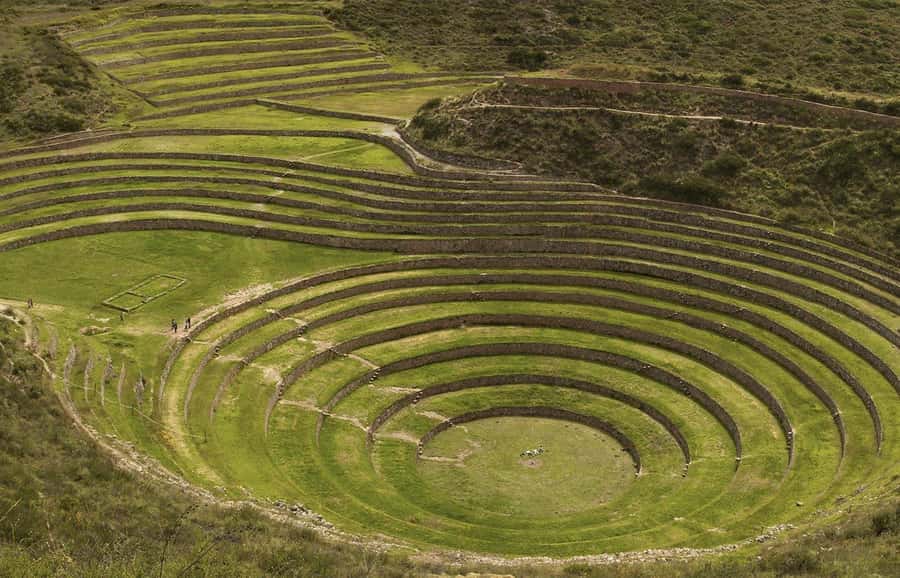
- Moray’s circular terraces show how the Inca used unusual shapes for agricultural experiments.
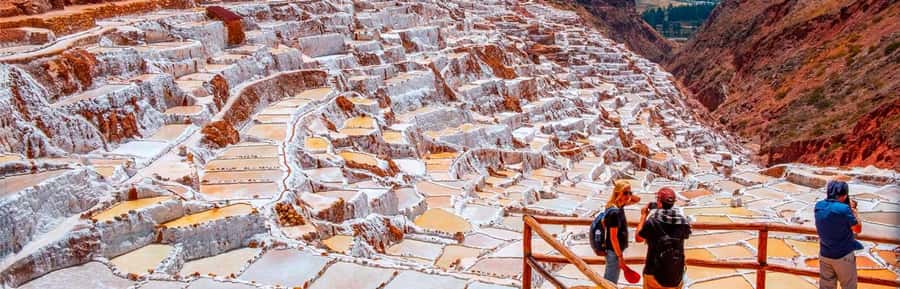
- Maras includes more than 3,000 salt wells, a striking stop with a very different purpose from the nearby ruins.
- Ollantaytambo is the day’s major archaeological visit, with finely built Inca stonework and a living town around it.
- Pisac combines an indigenous market with an archaeological park, making it the best stop for crafts and ruins in one place.
- The $50 price covers transport, lunch, and a bilingual guide, but required entrance tickets cost an additional PEN 80.
- This is a long, full schedule, best for you if you have only one day for the Sacred Valley.
What this one-day Sacred Valley route tries to do
The Super Sacred Valley tour is designed as an all-day circuit from Cusco. You leave at about 7:00 am and return close to 7:00 pm, with stops at five important places: Chinchero, Moray, the Maras Salt Mines, Ollantaytambo, and Pisac.
That is a lot for one day. The reward is range. You see colonial and Inca buildings, agricultural terraces, salt production, mountain views, a market, and large archaeological sites. The cost is time. You will not have the slow, open-ended feel of a two-day Sacred Valley visit.
The listed price is $50 per person. It includes pickup at your hotel, round-trip transportation, a buffet lunch, an English and Spanish speaking guide, a first-aid kit, and an oxygen bottle for emergencies. You must also pay PEN 70 for the tourist ticket covering Chinchero, Moray, Ollantaytambo, and Pisac, plus PEN 10 for the Maras Salt Mines.
That makes the required entrance fees PEN 80 on top of the tour price. The value is still reasonable if you want transport and several sites handled in one day, but compare the full cost rather than judging the $50 alone.
More Sacred Valley trips:
- Cusco:Sacred Valley Pisaq,Ollantaytambo,Chinchero with Lunch
★ 4.8 · 183 reviews - Valle Sagrado:Chinchero, Moray, Maras, Ollantaytambo y Pisac
★ 4.5 · 116 reviews - Machu Picchu: Group Guided Tour
★ 4.7 · 102 reviews
Chinchero begins the day with Inca walls and a colonial church
Chinchero is the opening stop, and it gives you two layers of Andean history in one place. You will see Inca wall construction alongside a colonial church, a reminder of how Spanish religious buildings were placed within an older sacred and political setting.
The Inca stonework is the main reason to pay attention here. Look at the way the stones fit together and at the scale of the surviving walls. This is not just a quick photo stop if your guide explains how the site changed after the Spanish arrival.
You will also make a short visit to a textile center. The program describes a small participation in textile work, so keep your expectations sensible. This is a brief cultural stop, not a long workshop where you produce a finished textile.
One concern is that stops like this can become shopping pauses. A French-language account of the tour complained about three tourist-oriented shops and very short craft demonstrations. That criticism matters if you are choosing this trip specifically to avoid sales stops. You may want to ask the guide at the beginning how much time will be spent at the textile center and shops.
Moray shows the Inca approach to farming
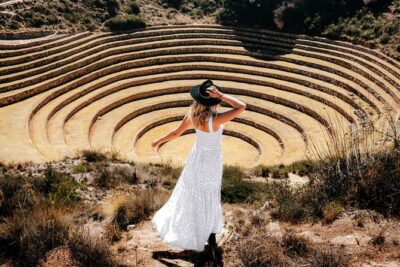
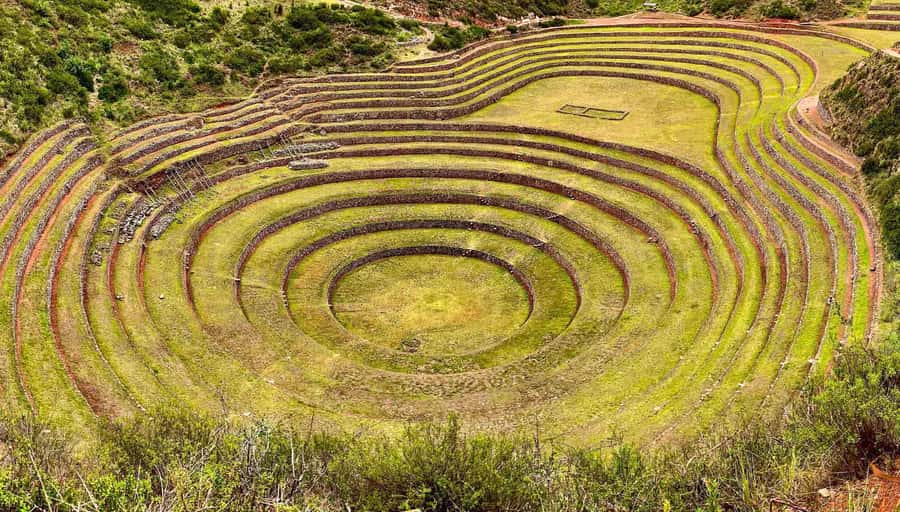
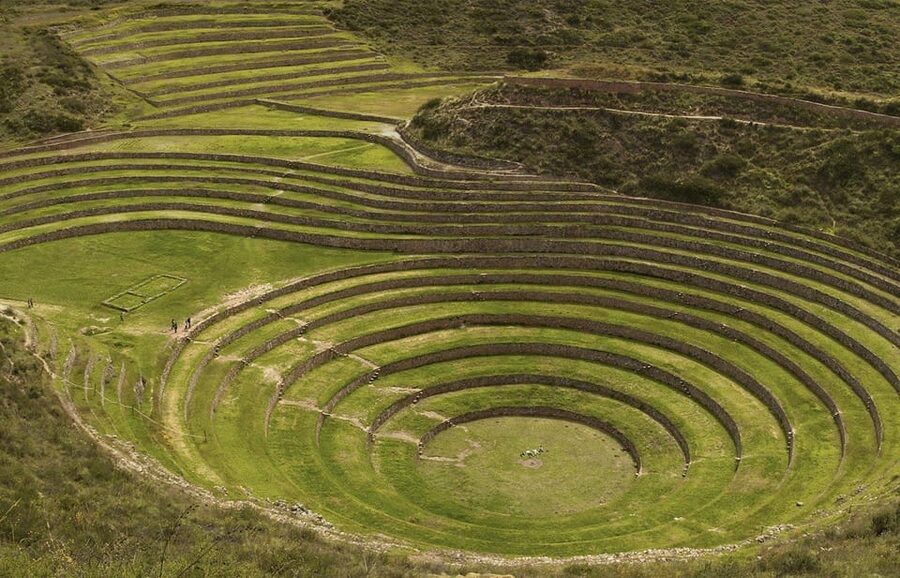
At Moray, the round terraces drop into the earth in a set of large circles. The shape is unusual and easy to remember, which helps make this one of the most visually distinctive stops on the route.
The site had an important agricultural role during the Inca period. Your guide can give the terraces meaning beyond their appearance by explaining how the different levels were used in farming. Even without a long visit, the design helps you see that Inca engineering was not limited to roads, walls, and temples.
Moray also gives you a change of scale. Chinchero focuses on masonry and colonial history. Moray opens out into broad mountain scenery and carefully shaped earthworks. You will want comfortable shoes and a camera, but the key value is the explanation of why the terraces were built.
The schedule does not specify how long you remain at Moray. Since this is a full circuit, expect a guided visit rather than unlimited time to walk every edge of the site. If you want long walks and careful photography, a slower private trip or two-day plan would suit you better.
Maras turns salt into a mountain sight
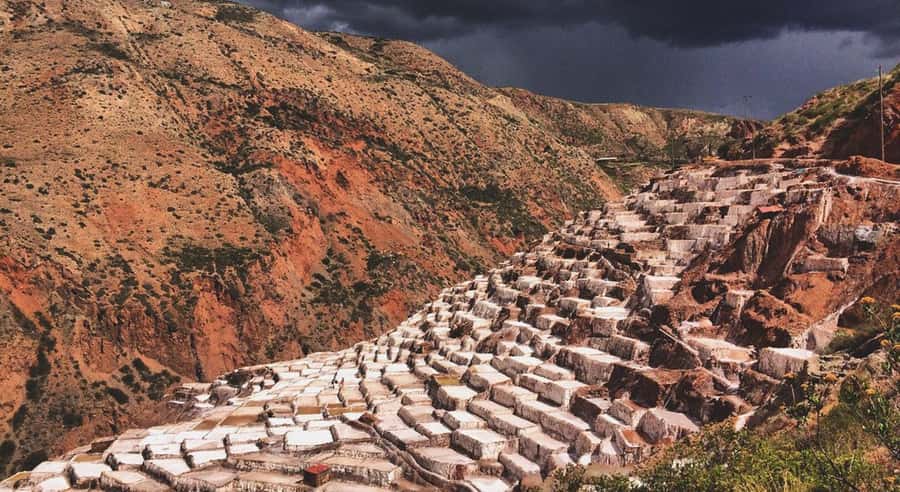
The Maras Salt Mines are not ordinary underground mines. More than 3,000 salt wells spread across the slopes, creating a dense pattern of small pools and channels. Salt water flows through the system, and the mineral remains as the water evaporates.
The Incas used this salt for consumption, giving the stop a practical link to daily life. After ruins and terraces, Maras shows another form of Andean production. It is a useful reminder that the Sacred Valley was not only a ceremonial center. People also worked its slopes to grow food and gather basic supplies.
This is one of the tour’s strongest visual stops. The wells create a textured hillside, and the surrounding mountains give the place a broad setting. The exact appearance can vary with conditions, so your view may not look identical to every photograph you have seen.
The entrance fee is separate, at PEN 10. That is a small extra cost, but it is still worth carrying enough local currency for all required tickets. The route descends to the salt mines, so you should be ready for changes in elevation and terrain during the day.
A completely different kind of day:
- Machu Picchu: Tour Guide Service & Entrance Ticket Circuit-2
★ 4.6 · 90 reviews - From Cusco: Chinchero, Moray, Maras and Ollantaytambo
★ 4.5 · 83 reviews - Cusco: Valle Sagrado VIP, Maras, Moray y Almuerzo Buffet
★ 4.8 · 34 reviews - from Urubamba & Ollantaytambo:Sacred Valley Full-Day Private
★ 4.9 · 31 reviews
Urubamba provides the day’s buffet lunch
The tour stops in Urubamba for a buffet lunch before continuing to Ollantaytambo. A buffet is a practical choice on a schedule this packed. It lets you eat without waiting for each person to order, which matters when the group must get back on the road.
The food is one of the better-rated parts of the experience. One Canadian participant specifically praised the restaurant and called the lunch excellent. That does not turn the meal into a destination by itself, but it suggests the included lunch is more than a token plate hurriedly served beside the highway.
You should think of lunch as a useful break rather than a flexible culinary stop. The restaurant is selected for the group, and the program does not provide a choice of venues or a detailed menu. If you have dietary needs, ask before departure because the available information does not explain special meal arrangements.
Ollantaytambo is the archaeological centerpiece
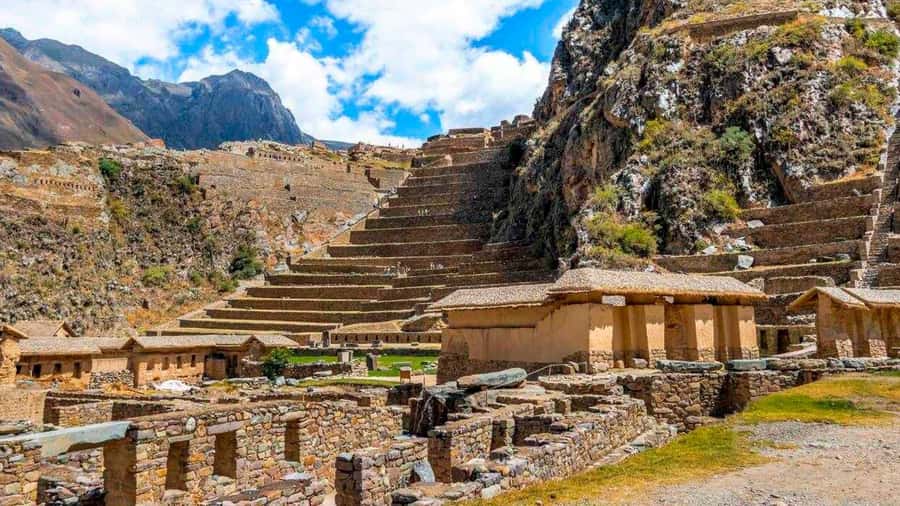
Ollantaytambo is often the strongest stop on this route. The town is known as the Last Living Inca City, and that name points to its unusual character. Inca streets and stone construction remain part of a town that is still occupied.
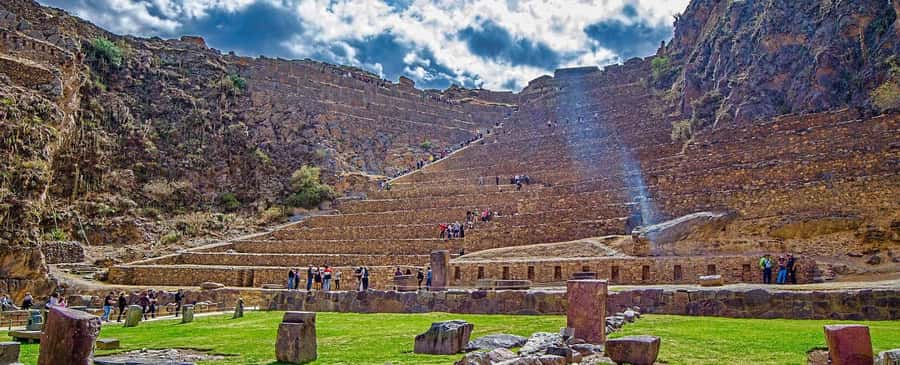
The archaeological center gives you a close look at finely assembled, polished stone buildings. The terraces and walls also show how the site used the mountain itself. This is the place where the tour’s earlier lessons about masonry, farming, and Inca planning come together.
I would give Ollantaytambo your sharpest attention. It is easy to be tired by this point, especially after leaving Cusco early, but the site rewards careful listening. Ask the guide to point out how the town’s layout differs from a site that survives only as ruins.
The main limitation is time. The itinerary has to reach Pisac afterward and still return to Cusco by about 7:00 pm. You will see the key areas, but you should not expect the freedom to explore every street or take a long independent walk.
Pisac joins the market with the ruins
Pisac is the final major stop and offers two separate experiences. First comes the indigenous market, described as the best place on this route to buy crafts. Then you visit the Pisac Archaeological Park on the slopes of Intihuatana Hill, a name translated as Place where the Sun is moored.
The market is useful if you want to take home textiles, small crafts, or other souvenirs without setting aside another shopping day. Still, keep your guard up around buying pressure. The negative account of this excursion complained about several tourist-oriented shops, so you should distinguish between a genuine market visit and a sales presentation arranged for tour groups.
The archaeological park brings the day back to Inca stonework. Its buildings use polished stone and carefully joined construction, and the hillside position gives the site a strong view over the surrounding valley. You will need to balance shopping time with the ruins if the stop is tightly managed.
Pisac is a good final stop because it offers a different mood from Ollantaytambo. Ollantaytambo feels like an ancient town still functioning around its old plan. Pisac combines commerce, local craft, and an archaeological site above the modern settlement.
A 17-seat bus can shape your day
Transportation is included, which is a major part of the tour’s value. You do not have to arrange separate rides between five scattered stops, and the guide travels with the group to explain what you are seeing.
The group vehicle may be a small bus with about 17 seats. One person found the legroom noticeably limited compared with other tours and felt the bus was cramped. That is worth taking seriously because this excursion involves many hours on the road, not just short transfers between nearby monuments.
A smaller vehicle can also make the group feel more personal than a large coach. The tradeoff is comfort. If you are tall, dislike tight seating, or want room to stretch, ask the operator what vehicle is planned for your date. The information does not guarantee a particular bus size every day.
The first pickup is listed at approximately 7:00 am, and the return to Cusco is expected around 7:00 pm. Plan for a full day away from your hotel. Wear practical clothing, bring water, and keep any small purchases easy to carry.
Guide quality matters on a packed route
A bilingual guide can make or break a day with this many stops. You are moving quickly, so clear explanations help you understand why each site matters instead of collecting five disconnected photo opportunities.
The tour uses English and Spanish. Emil received particularly strong praise for explaining the sites and Inca civilization carefully. Another account noted that the guide repeated the information in Spanish after speaking to an English-speaking group, which helped the group follow along.
That is useful if you are traveling with people who prefer different languages. It can also add time to each explanation, so the pace may feel more deliberate at the stops and faster during transfers. The guide’s ability to manage both the clock and the group will be important.
An emergency first-aid kit and oxygen bottle are included. These are sensible safety supplies for a high-altitude region, though they should not be treated as a substitute for planning around Cusco’s altitude or telling the guide about a medical concern.
Who will get the most from this tour
I would recommend this day to you if you have limited time in Cusco and want a broad introduction to the Sacred Valley. It is especially useful if you will not have two days for the valley and want the main stops covered in one organized outing.
You will also like it if you prefer a guide to handle transport, site explanations, and lunch. The bilingual format can work well for mixed-language groups, and the included buffet reduces the need to make another decision during a long day.
I would hesitate if you want quiet visits, long walks, or serious time at each archaeological site. The itinerary is ambitious. The possible craft and shop stops may also disappoint you if your main goal is to spend every available minute at ruins.
The tour is less appealing for anyone who strongly dislikes small vehicles. A 17-seat bus may be perfectly manageable, but the limited legroom becomes more noticeable after several hours. Ask about the vehicle before paying if physical comfort is a major concern.
Cost, tickets, and booking flexibility
At $50 per person, the tour offers solid basic value for a full day. Transport, a professional bilingual guide, buffet lunch, hotel pickup, and emergency supplies are included. You are paying for convenience as much as for sightseeing.
Add PEN 70 for the combined tourist ticket and PEN 10 for Maras. The total required entrance cost is PEN 80 per person, separate from the advertised tour price. Bring this amount in local currency unless the operator gives you different payment instructions.
The booking terms are flexible. You can cancel up to 24 hours in advance for a full refund, and you can reserve now and pay later. Starting times should still be checked for your chosen date because the published schedule only gives an approximate departure.
Should you book the Super Sacred Valley?
Book it if you want the widest possible Sacred Valley overview in one day, value a bilingual guide and included lunch, and accept a long schedule. Chinchero, Moray, Maras, Ollantaytambo, and Pisac give you a useful mix of culture, farming, salt production, markets, and Inca architecture.
Think twice if you are paying extra to avoid all commercial stops or if you need generous legroom. The strongest reasons to choose this trip are its coverage, guide service, and well-liked lunch, not a slow or private style of touring.
For a first visit with only one free day, I would consider it a practical choice. Just budget for PEN 80 in entrance fees, ask about the vehicle, and treat the day as a broad introduction rather than a relaxed archaeological study.
FAQ
How long does the Super Sacred Valley tour last?
The tour lasts one full day. Pickup begins at approximately 7:00 am, and the group is expected back in Cusco around 7:00 pm.
Which places does the tour visit?
The route includes Chinchero, Moray, the Maras Salt Mines, Urubamba, Ollantaytambo, and Pisac.
Is lunch included?
Yes. A buffet lunch in Urubamba is included in the tour price.
Are entrance tickets included?
No. The tourist ticket for Chinchero, Moray, Ollantaytambo, and Pisac costs PEN 70. The Maras Salt Mines ticket costs PEN 10.
How much are the required entrance fees in total?
The required entrance fees total PEN 80 per person.
Is transportation included?
Yes. The tour includes pickup at your hotel and round-trip transportation.
What languages does the guide speak?
The professional guide speaks English and Spanish.
Can I cancel the booking?
Yes. You can cancel up to 24 hours in advance for a full refund. You can also reserve now and pay later.
Just added in Urubamba
- Machu Picchu: 1-day tour by Vistadome Panoramic train★ 4.7 · 15 reviews
- Machupicchu 2025: The best ticket Circuit 2★ 3.5 · 6 reviews
- Machu Picchu: historical and photographic guided tour★ 4.9 · 27 reviews
- Private Guide in Machu Picchu for 3 Hours★ 4.2 · 17 reviews
- from Urubamba & Ollantaytambo:Sacred Valley Full-Day Private★ 4.9 · 31 reviews
- Cusco: Sacred Valley and Salt Mines Ending in Ollantaytambo★ 4.6 · 5 reviews
- From Cusco: City Tour in Cusco – Sacsayhuamán and Koricancha★ 3.0 · 4 reviews
- Cusco: Valle Sagrado VIP, Maras, Moray y Almuerzo Buffet★ 4.8 · 34 reviews
Sacred Valley Tours, compared.
From Cusco: Sacred Valley & Maras Salt Mines Tour with Lunch
Read our review →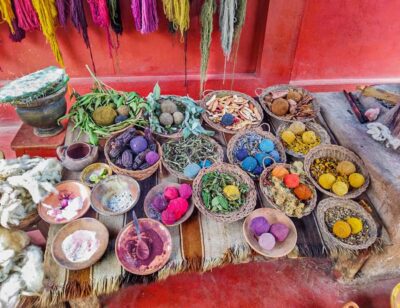
From Cusco: Moray, Maras Salt Mines & Chinchero Weavers Tour
Read our review →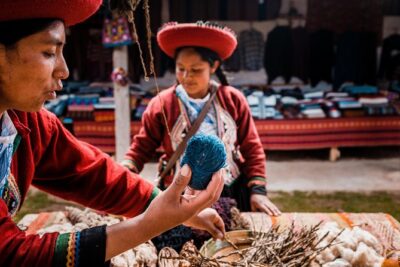
2-Day Tour: Sacred Valley and Machu Picchu by Train
Read our review →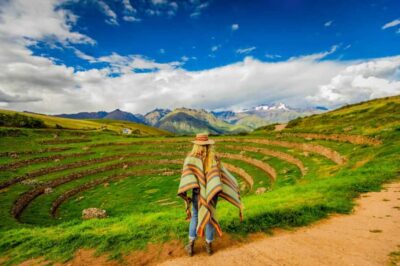
Sacred Valley, Pisac, Ollantaytambo, Salt Mines Moray
Read our review →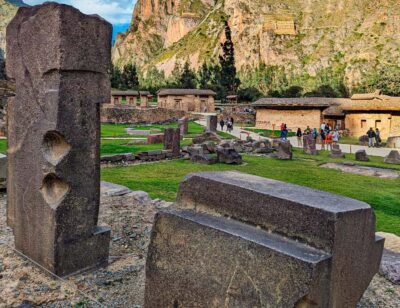
Chinchero,Moray & Salt Mines drop-off in Ollantaytambo
Read our review →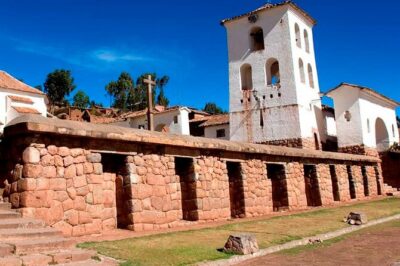
Sacred Valley and Maras Moray Tour with Full Day Buffet Lunch
Read our review →