Reviewed · SACRED VALLEY TOURS
Cusco: Sacred Valley and Salt Mines Ending in Ollantaytambo
Sacred Valley sights come fast here. This $40 guided tour links Chinchero, Moray, the Maras Salt Mines, Urubamba, and Ollantaytambo in one long day. I like the hotel pickup and the smart ending near Ollantaytambo train station, which can save you a return trip to Cusco if you are continuing by train. The chance to see several very different Inca sites, plus Andean villages and crop fields, gives you a useful first look at the region.
I also like the bilingual guiding in English and Spanish. Guide Jhonnattan, also called Johnathan in one account, earned special praise for explaining clearly in both languages. The main drawback is pace: you cover a wide area in about 12 hours, so each stop can feel brief. If you prefer quiet, unhurried visits, this schedule may ask too much of you.
In This Review
- Key details that shape the day
- Why this Sacred Valley route works
- Starting from Cusco and crossing into the valley
- Chinchero, where textiles meet colonial art
- Moray’s rings of agricultural terraces
- Maras Salt Mines and 4,000 working wells
- Urubamba buffet lunch and a pause in the valley
- Ollantaytambo, the best practical finish
- What the guide adds to the experience
- Is $40 a good value?
- Who should book this day tour?
- FAQ
- How long does the Sacred Valley tour last?
- Where does the tour begin?
- Which places are visited?
- Does the tour end in Cusco?
- Is lunch included in the price?
- Are entrance fees included?
- What languages are available?
- What should I bring?
- Can I cancel the booking?
- Should you book it?
Key details that shape the day
- Chinchero at 3,772 meters: See archaeological remains, a 17th-century church, Cusco School paintings, a market, and traditional Andean textiles.
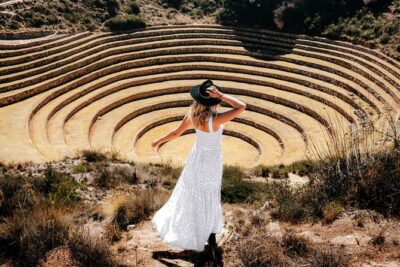
- Moray’s circular terraces: Look down into unusual agricultural rings once used as an experimental farming center.
- More than 4,000 salt wells at Maras: Watch the mountains meet a working salt site where local salt is still extracted.
- Buffet lunch in Urubamba: A practical midday meal is planned, but the supplied details give conflicting information about whether lunch is included, so confirm before booking.
- Ollantaytambo as the final stop: Finish near the train station at about 3:30 PM instead of returning to Cusco.
- A full 12-hour outing for $40: Good value for covering several major places, provided you are comfortable with a quick pace and extra entrance costs.
Why this Sacred Valley route works
The Sacred Valley is not one single sight. It is a long corridor of farming communities, archaeological centers, mountains, and colonial towns. This route gives you a broad sample in one day, moving from Chinchero in the highlands toward the valley and ending at Ollantaytambo.
I like the variety. You are not looking at the same sort of ruin all day. Chinchero brings together living textile traditions and colonial architecture. Moray offers a striking engineered site. Maras shows a working salt operation. Ollantaytambo closes the day with massive stonework and a useful transport connection.
The tradeoff is clear. The route covers a lot, but it does not offer much spare time. One traveler described the day as speedy but worthwhile, while another felt rushed from site to site. That is a fair reading. You will see a great deal, take photos, hear historical explanations, and keep moving.
For a first visit to the Cusco region, I consider that a reasonable bargain. For a slower trip focused on close study, I would split these places across separate days.
More Sacred Valley trips:
- Cusco:Sacred Valley Pisaq,Ollantaytambo,Chinchero with Lunch
★ 4.8 · 183 reviews - Valle Sagrado:Chinchero, Moray, Maras, Ollantaytambo y Pisac
★ 4.5 · 116 reviews - Machu Picchu: Group Guided Tour
★ 4.7 · 102 reviews
Starting from Cusco and crossing into the valley
The day begins with hotel pickup in Cusco and tourist transport toward the Sacred Valley. The exact pickup time depends on availability, so check the departure details carefully before setting your morning plans.
The route gives you changing views as you leave Cusco behind. You will see fields, small villages, and high mountains that have held religious importance since before the Inca period. The contrast is part of the appeal: carefully worked farmland below, snow-capped peaks above, and old settlements scattered through the valley.
Bring water from the start. The day lasts 12 hours, and you will be walking at several stops. Comfortable shoes matter more than stylish ones here. A hat, sunscreen, and a camera belong in your day bag, too.
The altitude also deserves attention. Chinchero sits at 3,772 meters above sea level, so the first stop may feel demanding if you have only just arrived in Cusco. The provided details do not give advice about acclimatization or medical support, so use your own judgment and allow time in Cusco before booking a full day at altitude.
Chinchero, where textiles meet colonial art
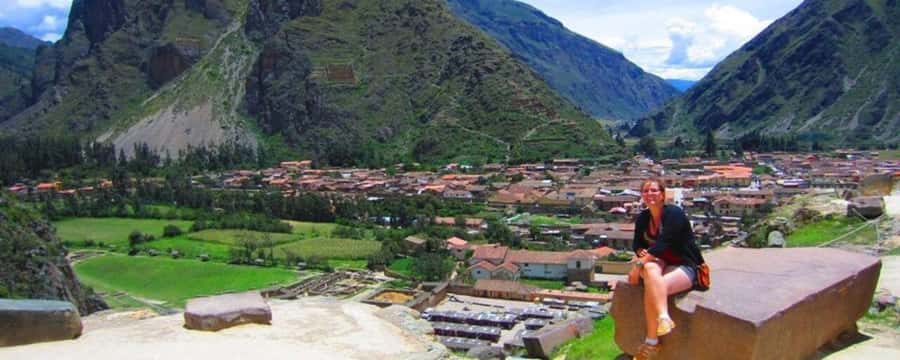
Chinchero is an excellent opening stop because it combines several sides of Andean life. You visit archaeological remains, a 17th-century colonial church, and a market where bargaining is still part of the experience.
The church contains canvases from the Cusco School, a colonial art tradition associated with religious paintings made in the region. I appreciate that this stop is not limited to stones and dates. You get a look at how Spanish colonial culture was placed over an older Andean setting.
The textile focus adds another useful layer. Traditional fabrics are handmade by Andean women, and the market offers a chance to see local craft rather than only a souvenir shop attached to a major ruin. If you are interested in weaving, patterns, or practical handmade goods, allow your attention to shift between the archaeological area and the market.
The market also has a more local character because barter is still possible. That does not mean you must buy anything. You can look, listen to the guide, and compare the textile work with the mass-produced items often sold in tourist centers.
At the same time, Chinchero can feel crowded with information. There is the church, the paintings, the ruins, the market, and the textile presentation. Since the tour continues to several major stops, listen closely to the guide and decide what matters most to you before the visit ends.
Moray’s rings of agricultural terraces
Moray is one of the most unusual places on the route. Its circular agricultural terraces sink into the ground in a series of broad rings. The site is described as an experimental agricultural center, which helps explain why it feels different from a fortress or temple.
The terraces show how carefully the Incas worked with soil, slopes, and growing conditions. From above, the circles look almost too neat to be practical farmland, but their form points to planned agricultural testing.
You do not need a long lecture to understand the visual effect. The terraces are immediately recognizable, and the setting makes a strong photo stop. A guide adds value by explaining what the rings were used for and how they fit into the wider farming system of the Sacred Valley.
This is one of the places where the fast schedule matters. Moray rewards a few minutes of looking from different angles, not just a quick photo and return to the vehicle. You may find yourself wishing for more time, especially if the guide is explaining the site while the group is moving on.
Wear shoes with a good grip and clothing that works for walking. The information supplied does not specify the exact walking distance or surface, so practical footwear is the safest choice.
A completely different kind of day:
- Machu Picchu: Tour Guide Service & Entrance Ticket Circuit-2
★ 4.6 · 90 reviews - From Cusco: Chinchero, Moray, Maras and Ollantaytambo
★ 4.5 · 83 reviews - Cusco: Valle Sagrado VIP, Maras, Moray y Almuerzo Buffet
★ 4.8 · 34 reviews - from Urubamba & Ollantaytambo:Sacred Valley Full-Day Private
★ 4.9 · 31 reviews
Maras Salt Mines and 4,000 working wells
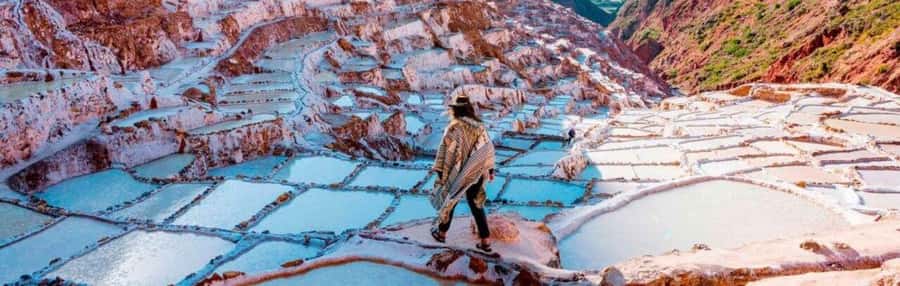
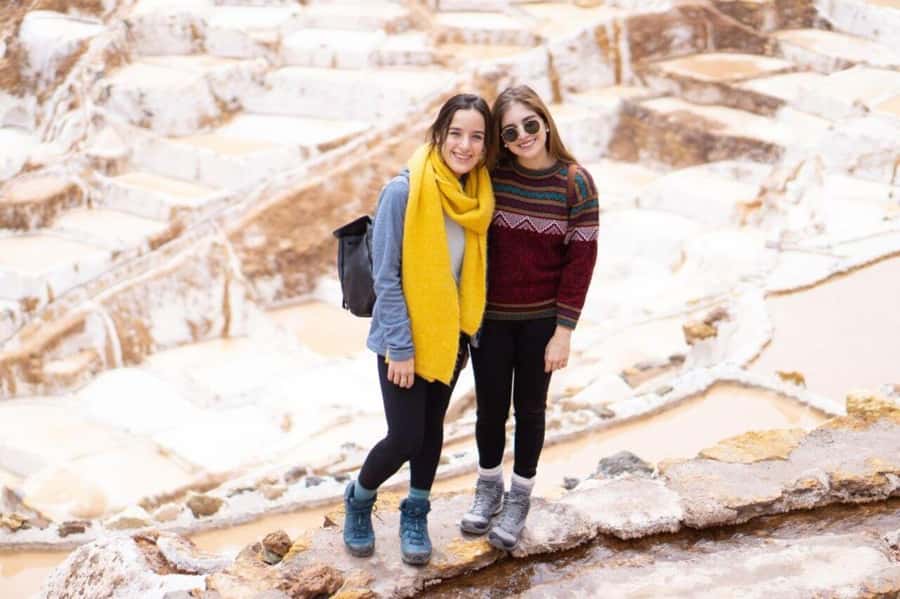
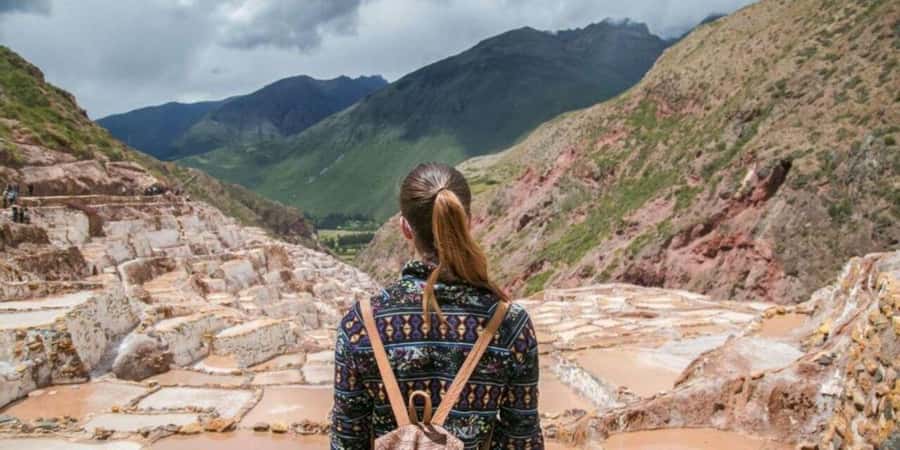
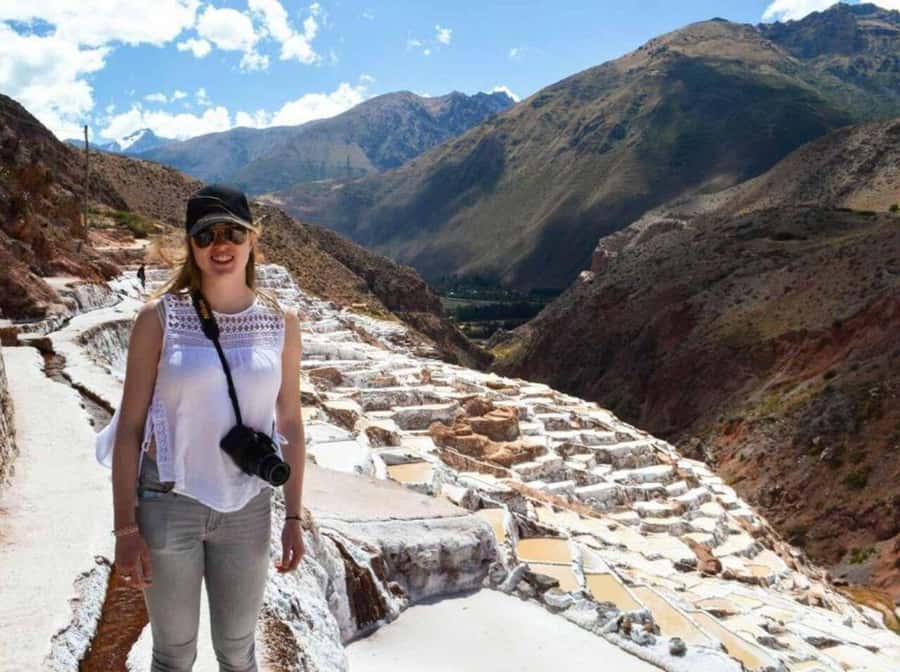
The Maras Salt Mines bring a completely different sight. More than 4,000 wells are used to extract salt, including highly regarded salt from the area. The small pools create a dense pattern on the mountainside, with the white salt contrasting against the surrounding earth and high-country views.
I value this stop because it connects ancient planning with a working local activity. You are not simply looking at a ruin that has been preserved for display. You are seeing a place tied to production and regional food traditions.
The salt wells also make Maras one of the most photogenic parts of the day. Bring your camera, but do not let photos replace the explanation. The guide can help you understand how the wells fit together and why the site matters.
Entrance fees for Moray and Maras are not included and must be paid separately. This is one of the most important budget points. The $40 price is attractive, but your actual cost will be higher once you add the required entrance charges.
The supplied information also says the buffet lunch is not included, even though the experience description presents a buffet lunch in Urubamba as part of the day. I would confirm both lunch and entrance arrangements before payment. Budgeting for lunch separately is the safer choice.
Urubamba buffet lunch and a pause in the valley
After the highland stops, the group heads to Urubamba for a buffet meal at a typical local restaurant. The meal is meant to give you a chance to sample regional flavors rather than rely on snacks carried from Cusco.
A buffet can be useful on a tightly scheduled day. You choose your portion, avoid a long wait for individual dishes, and can get back on the road on time. If you have dietary needs, the available information does not specify menu choices, so ask the provider in advance rather than assuming the buffet will suit you.
This is also a practical point to refill your water and reset your walking shoes. The day has several stops, and a proper meal helps break up the schedule.
Because the inclusion details conflict, do not assume the meal is covered by the $40 price. The description says you enjoy a buffet lunch, while the included and not included sections place buffet lunch outside the price. Clarify this before you go. It is a small question that can prevent an awkward surprise at the restaurant.
Ollantaytambo, the best practical finish
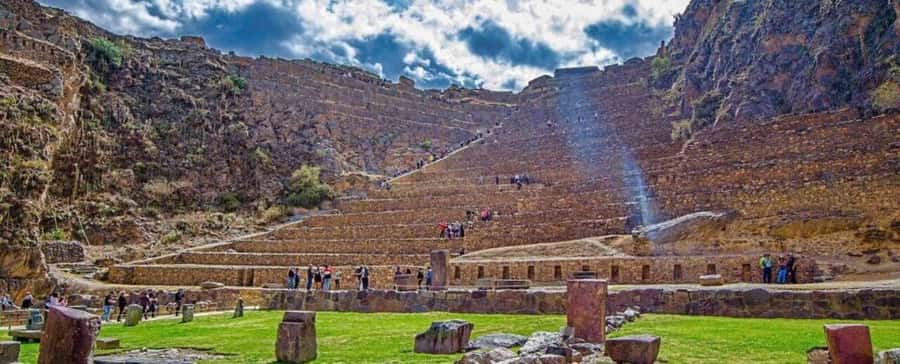
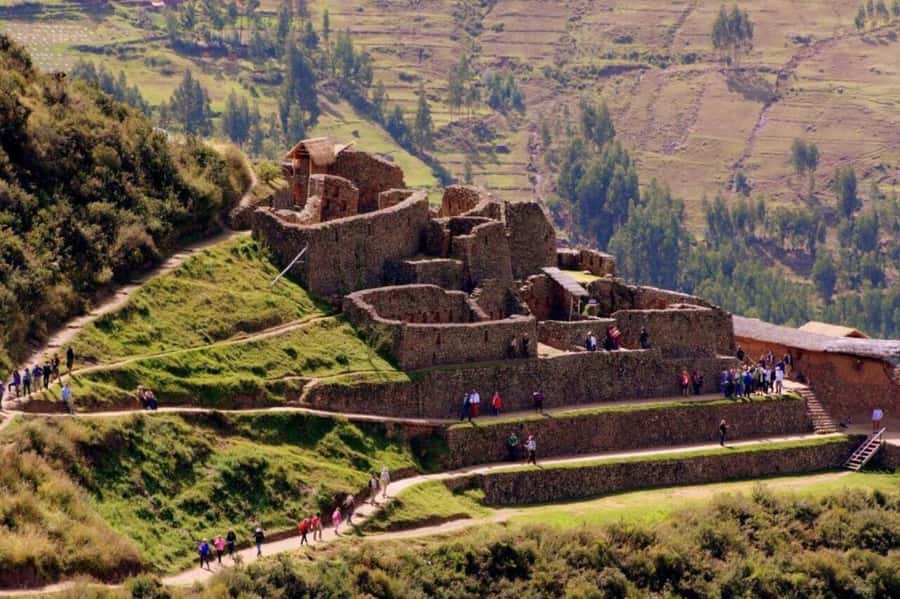
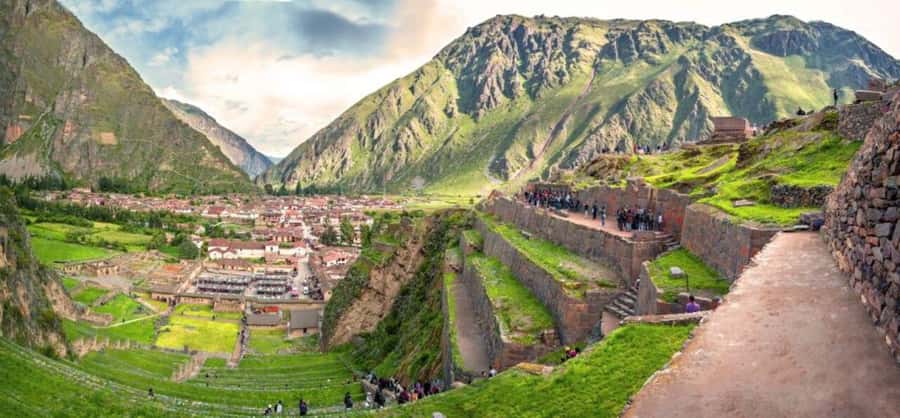
The final stop is Ollantaytambo, described as the living Inca city of the Sacred Valley. Its fortress was built to protect the valley from possible invaders, and its large stone structures give the last part of the day a strong finish.
Ollantaytambo matters beyond its ruins. It is also a key place for onward travel, and this tour drops you near the train station at about 3:30 PM. That makes the route particularly useful if you plan to continue from Ollantaytambo rather than return to Cusco.
The ending is one of the smartest features of the experience. Many day tours take you back to the city even when your next destination lies elsewhere. Here, the final drop-off can reduce backtracking and fit neatly with a Sacred Valley travel plan.
You should still pay close attention to your own onward arrangements. The supplied details confirm a drop-off near the train station, but they do not provide train schedules, storage arrangements, or a guarantee that your exact connection will match the tour timing. If you have a fixed departure, leave enough margin for delays.
Ollantaytambo also deserves more than a rushed glance. The fortress, stonework, and valley position make it one of the more substantial places on the route. The schedule means you may not get as much time as you would on a dedicated Ollantaytambo visit, but ending there gives the day a clear purpose.
What the guide adds to the experience
A bilingual guide can make a major difference on a route with four major stops. You are not only being driven between viewpoints. You need context for the church paintings, the textile work, Moray’s terraces, Maras’ salt wells, and Ollantaytambo’s defensive role.
Jhonnattan received especially strong praise for switching between English and Spanish with ease. His clear explanations were a major reason the day worked well for a bilingual group. The available feedback also describes him as professional and helpful with suggestions at the end of the tour.
Guide quality matters even more when the schedule is quick. A good guide helps you focus on the key details instead of leaving you to guess what you are seeing. If you speak English or Spanish, this tour gives you access to live guiding in either language.
The guide cannot solve every scheduling issue. Even excellent explanations take time, and a full route across the Sacred Valley will still feel active. I would book this expecting useful instruction and efficient sightseeing, not a private, slow-paced archaeological study.
Is $40 a good value?
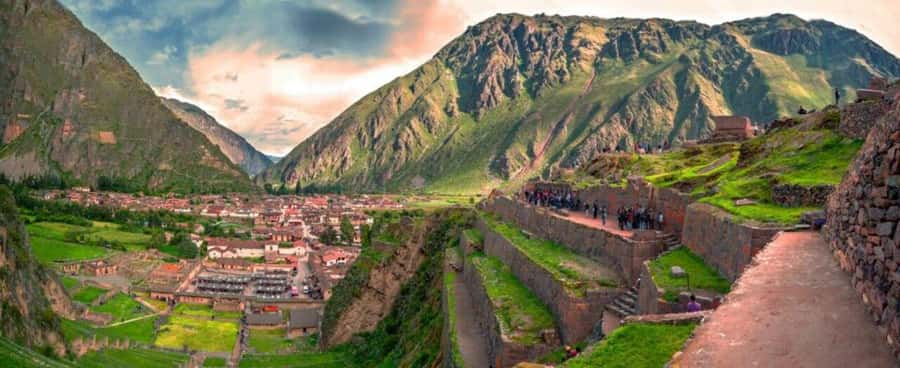
At $40 per person, the tour offers strong value for the amount of ground covered. You receive Cusco hotel pickup, tourist transport, guiding, visits to Chinchero, Moray, Maras, and Ollantaytambo, plus an ending near the train station.
The price becomes more attractive if you would otherwise need to arrange separate transport to each site. A private vehicle or several individual transfers could cost much more, while this option gathers the major expenses into one straightforward day.
Still, do not treat $40 as the final total. Entrance fees to Moray and Maras are extra. Lunch also needs clarification because the supplied details conflict. Add those costs before comparing the tour with other options.
For me, the value is strongest for a first-time visit, a limited schedule, or a traveler who wants an overview before choosing which places deserve a longer return. It is less appealing if you already know you want long visits, quiet photography, or extended time in one village.
Who should book this day tour?
I would recommend it to you if you want to see many of the Sacred Valley’s main sights in one day and prefer organized transport from Cusco. It also suits anyone continuing to Ollantaytambo by train, since the final drop-off can save a return journey.
It is a good fit for visitors who enjoy a full schedule, guided historical context, and a mix of archaeology, local craft, food, and scenery. The bilingual guide option makes it practical for English and Spanish speakers.
I would hesitate if you dislike early starts, walking, high-altitude sites, or quick transitions. The route is broad rather than slow. You will need comfortable shoes, sun protection, water, and enough energy to stay engaged through the final fortress visit.
Free cancellation up to 24 hours ahead and reserve-now-pay-later booking add flexibility, but those features do not change the central question: do you want breadth or depth? Choose this tour for breadth.
FAQ
How long does the Sacred Valley tour last?
The tour lasts 12 hours and ends at about 3:30 PM near the Ollantaytambo train station.
Where does the tour begin?
Hotel pickup is provided in Cusco. Starting times depend on availability, so check the available departure options when booking.
Which places are visited?
The tour visits Chinchero, Moray, the Maras Salt Mines, Urubamba for a buffet lunch, and Ollantaytambo.
Does the tour end in Cusco?
No. Transport drops you near the Ollantaytambo train station at the end of the tour.
Is lunch included in the price?
The information provided is inconsistent. The description includes a buffet lunch in Urubamba, while the not included section says buffet lunch is not included. Confirm this before booking and be prepared to pay separately.
Are entrance fees included?
No. Entrance fees to Moray and the Maras Salt Mines must be paid separately.
What languages are available?
The live guide service is available in English and Spanish.
What should I bring?
Bring comfortable walking shoes, a hat, sunscreen, water, and a camera. Wear clothing suitable for walking and sun exposure.
Can I cancel the booking?
You can cancel up to 24 hours in advance for a full refund. Reserve-now-pay-later booking is also available.
Should you book it?
Book this tour if you want an efficient first look at the Sacred Valley, value hotel pickup, and plan to continue to Ollantaytambo. The combination of Chinchero textiles, Moray’s circular terraces, Maras’ salt wells, Urubamba food, and Ollantaytambo’s fortress gives you an unusually broad day for the price.
Skip it if you want to linger at each site or dislike a packed schedule. The route is fast, and the extra entrance fees and uncertain lunch charge need checking. For the right kind of day, though, the $40 price is hard to dismiss, especially with a strong bilingual guide such as Jhonnattan and a useful final drop-off near the train station.
Just added in Urubamba
- Super Sacred Valley★ 3.8 · 6 reviews
- Machupicchu 2025: The best ticket Circuit 2★ 3.5 · 6 reviews
- Machu Picchu: 1-day tour by Vistadome Panoramic train★ 4.7 · 15 reviews
- Machu Picchu: historical and photographic guided tour★ 4.9 · 27 reviews
- Private Guide in Machu Picchu for 3 Hours★ 4.2 · 17 reviews
- from Urubamba & Ollantaytambo:Sacred Valley Full-Day Private★ 4.9 · 31 reviews
- From Cusco: City Tour in Cusco – Sacsayhuamán and Koricancha★ 3.0 · 4 reviews
- Cusco: Valle Sagrado VIP, Maras, Moray y Almuerzo Buffet★ 4.8 · 34 reviews
Sacred Valley Tours, compared.
From Cusco: Sacred Valley & Maras Salt Mines Tour with Lunch
Read our review →
From Cusco: Moray, Maras Salt Mines & Chinchero Weavers Tour
Read our review →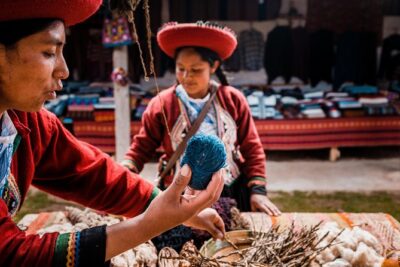
2-Day Tour: Sacred Valley and Machu Picchu by Train
Read our review →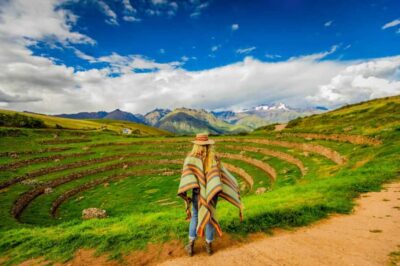
Sacred Valley, Pisac, Ollantaytambo, Salt Mines Moray
Read our review →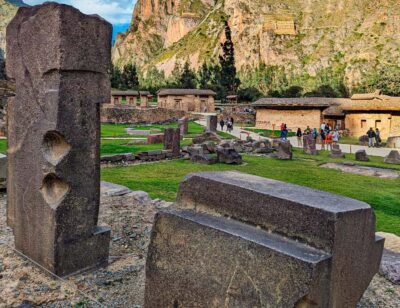
Chinchero,Moray & Salt Mines drop-off in Ollantaytambo
Read our review →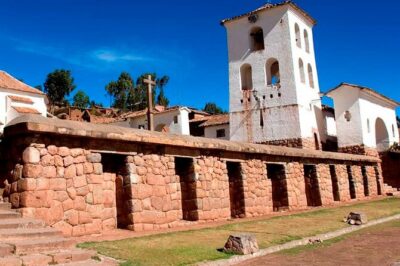
Sacred Valley and Maras Moray Tour with Full Day Buffet Lunch
Read our review →