
Reviewed · SACRED VALLEY TOURS
Cusco: City Tour with Inca Archaeological Treasures
Big stones, sacred water, and royal gold. This four-hour Cusco tour gives you a quick, useful introduction to the city’s Inca roots, pairing Qoricancha and Sacsayhuamán with three smaller archaeological sites in the hills. I like the mix of city and countryside, and I like that transport connects the sites without making you arrange taxis. The main consideration is cost: the $27 tour price does not include the required entrance tickets.
The tour works especially well early in your stay, when you want to get your bearings and understand the ruins you will see elsewhere in the Cusco region. I also like the guide-led format, since the stones at Sacsayhuamán and the rituals at Q’enqo mean far more with explanation. The four-hour schedule may run longer, so leave some space afterward.
In This Review
- Five useful reasons to consider this Cusco tour
- What this half-day Cusco outing is really like
- Qoricancha: where Inca religion meets Spanish Cusco
- Sacsayhuamán: the stop that earns the superlatives
- Q’enqo: a smaller site with a ritual purpose
- Puca Pucara: a lookout above the old capital
- Tambomachay: water, rest, and a quiet finish
- The guide makes the difference
- What the $27 price includes, and what it does not
- Timing, pickup, and practical planning
- Who should book this experience
- Should you book the Cusco City Tour?
- FAQ
- How long does the Cusco City Tour last?
- What sites are included?
- Is hotel pickup included?
- Is transportation included?
- Is a tour guide included?
- Are entrance tickets included?
- Can I use a Tourist Ticket I already have?
- What should I bring?
- Where does the tour start and finish?
- What languages are available?
Five useful reasons to consider this Cusco tour
- Five major Inca-era sites: Visit Qoricancha, Sacsayhuamán, Q’enqo, Puca Pucara, and Tambomachay in one half-day outing.
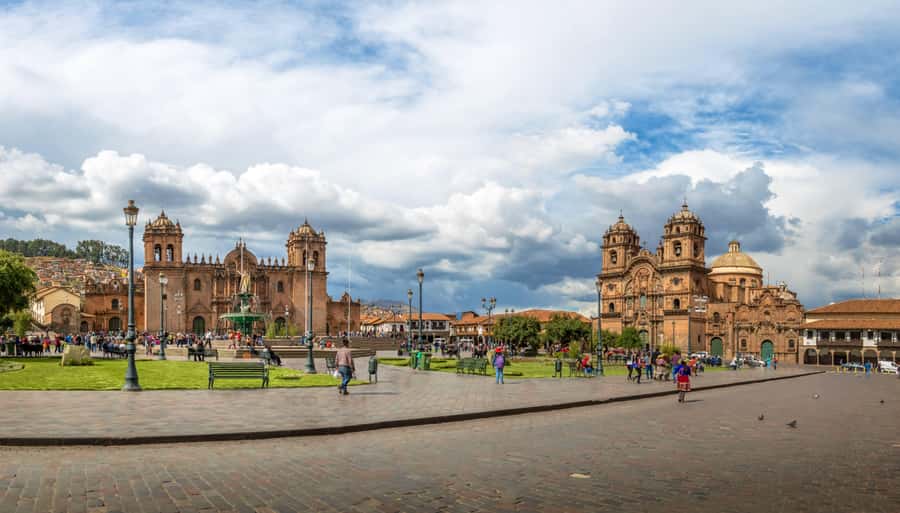
- A strong city-to-hills route: Begin near Cusco’s main square, then ride into the surrounding high ground for fortress, shrine, lookout, and water sites.
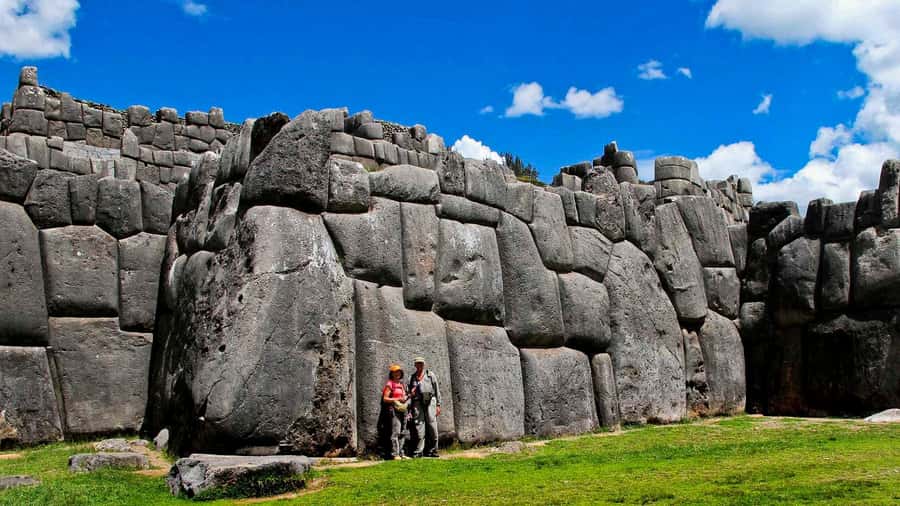
- Sacsayhuamán is the star: See enormous fitted stones, some reaching about 9 meters high and weighing more than 350 tons.
- Bilingual guiding: Tours are offered in Spanish and English, with guides such as Joel and Luis praised for clear explanations and good group management.
- Useful first-day orientation: The route shows how Inca religion, engineering, defense, and water worship fit together.
- Low headline price, extra admission costs: The $27 fee includes transport and guiding, but entrance charges can add 90 to 140 soles or more.
What this half-day Cusco outing is really like
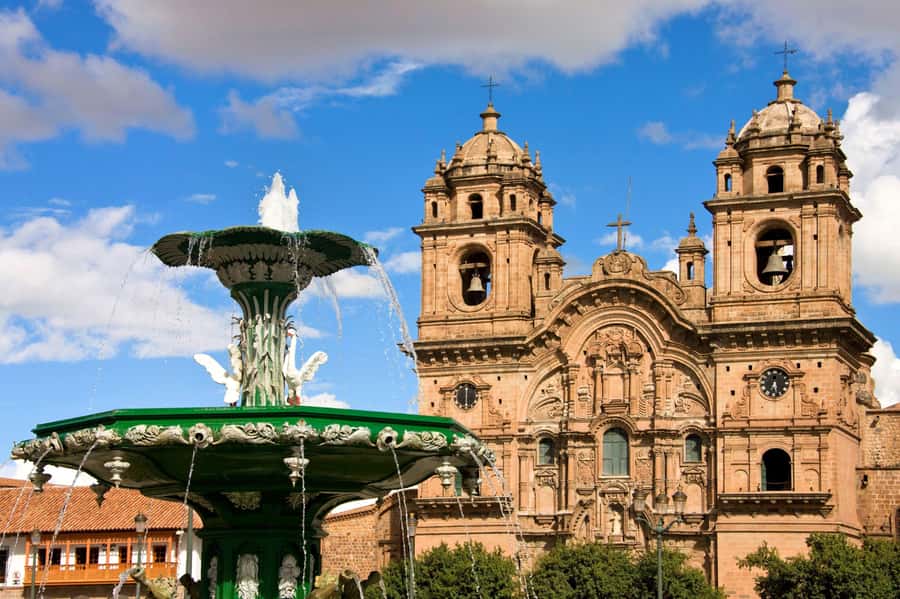
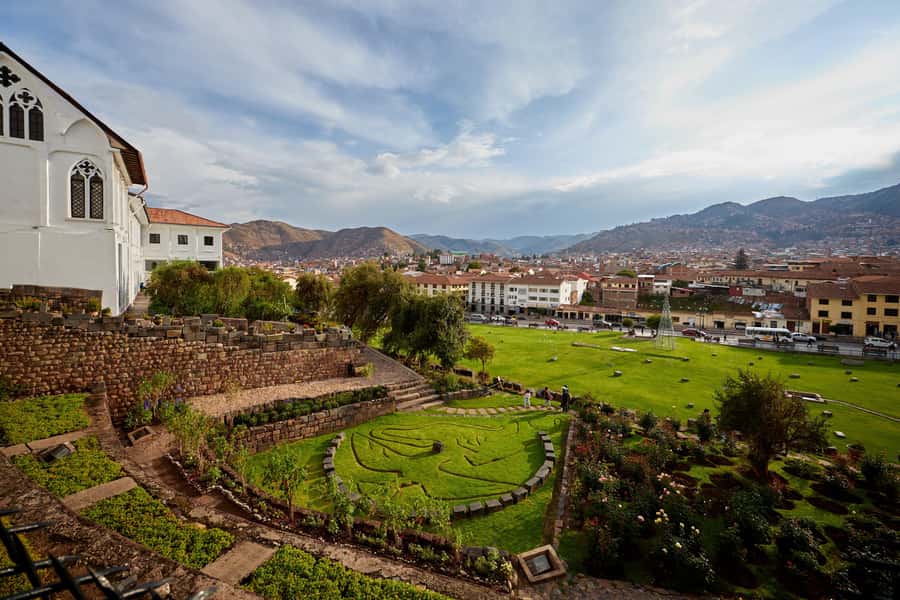
Cusco’s center can feel like several centuries layered into one walk. Spanish colonial buildings surround the main square, while Inca walls remain beneath and beside them. This tour uses that contrast as its starting point, then takes you to the major ruins outside the center.
You meet in Cusco, with hotel pickup available from hotels in the downtown area. From there, tourist transport links the stops. That matters because Q’enqo, Puca Pucara, and Tambomachay are not all convenient walks from the main square, especially at Cusco’s high altitude.
The listed duration is four hours. In practice, the timing can stretch. One group found the tour lasted an extra hour, which may be welcome if you want more time for explanations and photographs, but less convenient if you have a train, meal, or another booked activity. I would keep your afternoon open.
The route includes guided sightseeing at each stop, with breaks and photo time built in. You should expect some walking over archaeological ground, uneven surfaces, and exposed areas. Comfortable shoes, sunglasses, a hat, and sunscreen are sensible choices. Bring water and a snack as well.
More Sacred Valley trips:
- Cusco:Sacred Valley Pisaq,Ollantaytambo,Chinchero with Lunch
★ 4.8 · 183 reviews - Valle Sagrado:Chinchero, Moray, Maras, Ollantaytambo y Pisac
★ 4.5 · 116 reviews - Machu Picchu: Group Guided Tour
★ 4.7 · 102 reviews
Qoricancha: where Inca religion meets Spanish Cusco
The first major stop is Qoricancha, often written Coricancha, the Temple of the Sun. It was one of the most important religious centers in the Inca Empire. Today, the building also contains art from the Cusco School, showing how Inca and Spanish traditions came together in one place.
This is a smart opening stop because it introduces the sacred side of Cusco before the tour turns to military and ceremonial sites. Your guide can help you look past the colonial structure and focus on the Inca masonry, layout, and religious purpose.
Admission to Qoricancha costs 20 soles and is not included. That extra charge is easy to miss when you first see the $27 tour price, so add it to your budget. The optional visit to Cusco Cathedral costs another 20 soles, but the cathedral is not part of the required five-site route.
I would pay close attention here even if you plan to visit other Inca sites later. Qoricancha gives you a key idea for understanding Cusco: the city was not simply replaced by the Spanish. Inca foundations, walls, and sacred places remain part of the modern city.
Sacsayhuamán: the stop that earns the superlatives
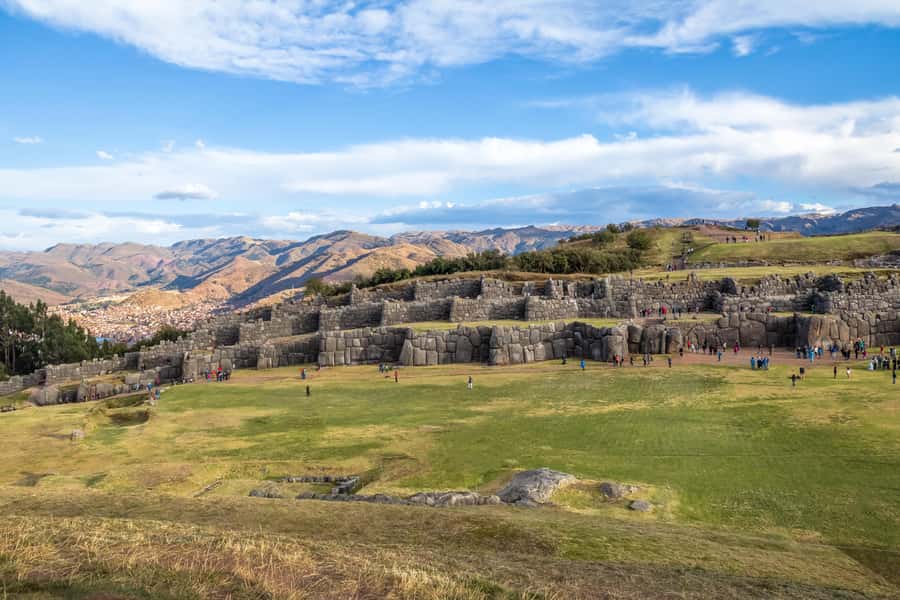
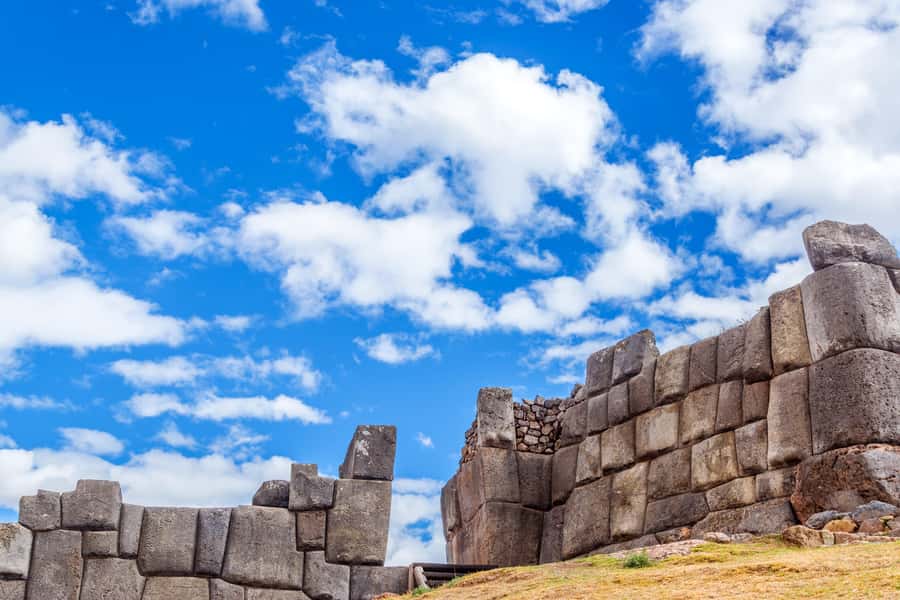
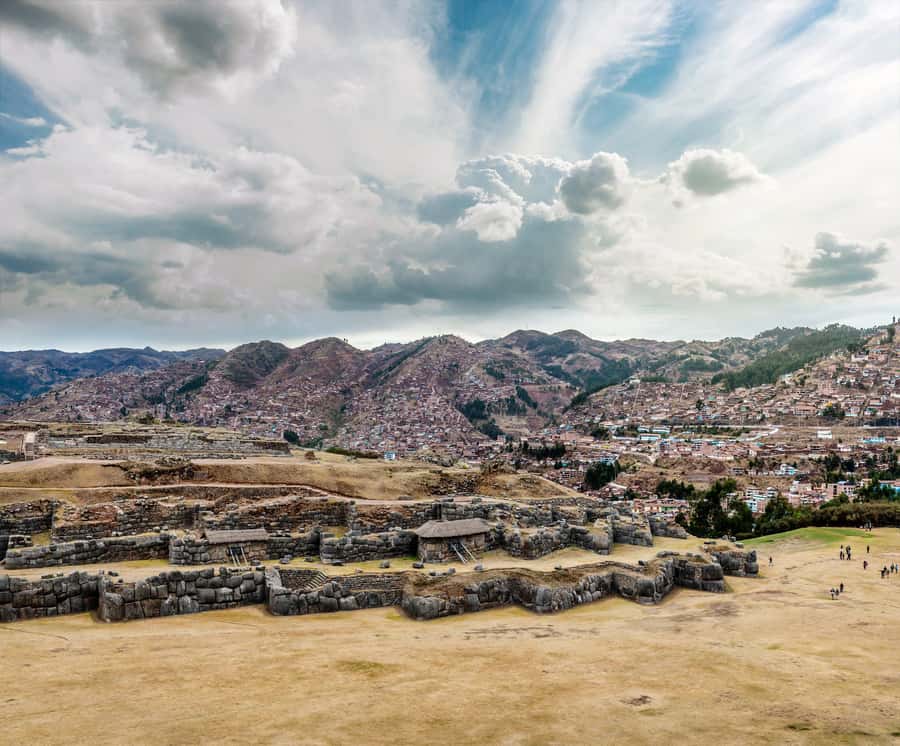
Sacsayhuamán is the dramatic center of the day. The site is known for its huge zigzag walls and carefully shaped stones. Some blocks are reported to reach 9 meters in height and weigh more than 350 tons. Even without a long lecture, the scale is hard to grasp until you are standing beside the masonry.
I especially like this stop for readers interested in engineering. The stones fit with striking precision, and the site raises practical questions about quarrying, shaping, moving, and placing such massive pieces. A good guide turns those questions into a real lesson rather than a quick photo stop.
The setting also gives you broad views over Cusco and the surrounding hills. Several people particularly enjoyed the combination of scenery and stonework, while others called this the most impressive part of the outing. Plan to use your camera here, but do not spend the whole visit looking through it. The size and fit of the blocks deserve a close look.
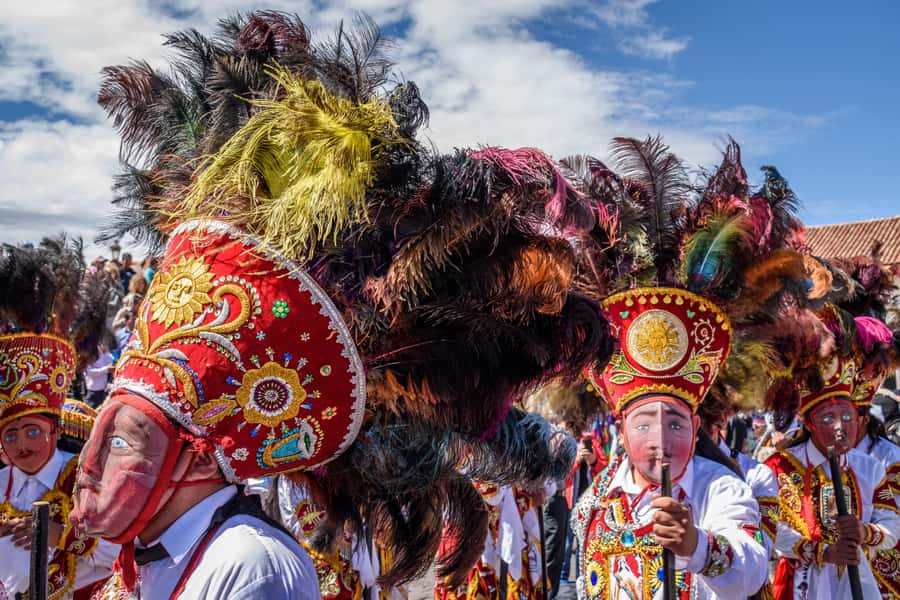
Sacsayhuamán also serves as the main setting for Inti Raymi, the Festival of the Sun, held each June 24. That detail helps explain why the site still matters beyond its walls. It remains tied to Andean culture and public ceremony, not just archaeology.
The name is sometimes written Saksaywaman or Sacsayhuaman, so do not worry if your ticket or guide uses a slightly different spelling. You are going to the same place.
Q’enqo: a smaller site with a ritual purpose
Q’enqo feels different from Sacsayhuamán. Instead of monumental walls, you find an ancient ceremonial center connected with rituals and offerings. Its scale is more intimate, and the meaning can be less obvious if you walk through without a guide.
This is where the quality of the explanation matters most. The stone features do not announce their purpose in the same way as a fortress wall. Your guide provides the historical and spiritual setting needed to make sense of the carved rock and ceremonial spaces.
I would not judge Q’enqo by size. The value here comes from contrast. After seeing the public power of Sacsayhuamán, you get a look at a more private and ritual side of Inca life. The route is stronger because it includes both.
Expect another stop with walking and sightseeing rather than a long indoor visit. If you are short on time, Q’enqo may seem less immediately spectacular than Sacsayhuamán, but the explanations about spirituality and ceremony can make it one of the more memorable places.
More city tours in Urubamba:
- Cusco in 3 days: city tour, Rainbow Mountain and Machupicchu
★ 4.9 · 7 reviews - From Cusco: City Tour in Cusco – Sacsayhuamán and Koricancha
★ 3.0 · 4 reviews - Lima Half-Day City Walking Tour (Small Groups)
★ 5.0 · 1,508 reviews - Cusco: Half-Day City Tour with Sacsayhuaman and Q’enco
★ 4.6 · 1,129 reviews
Puca Pucara: a lookout above the old capital
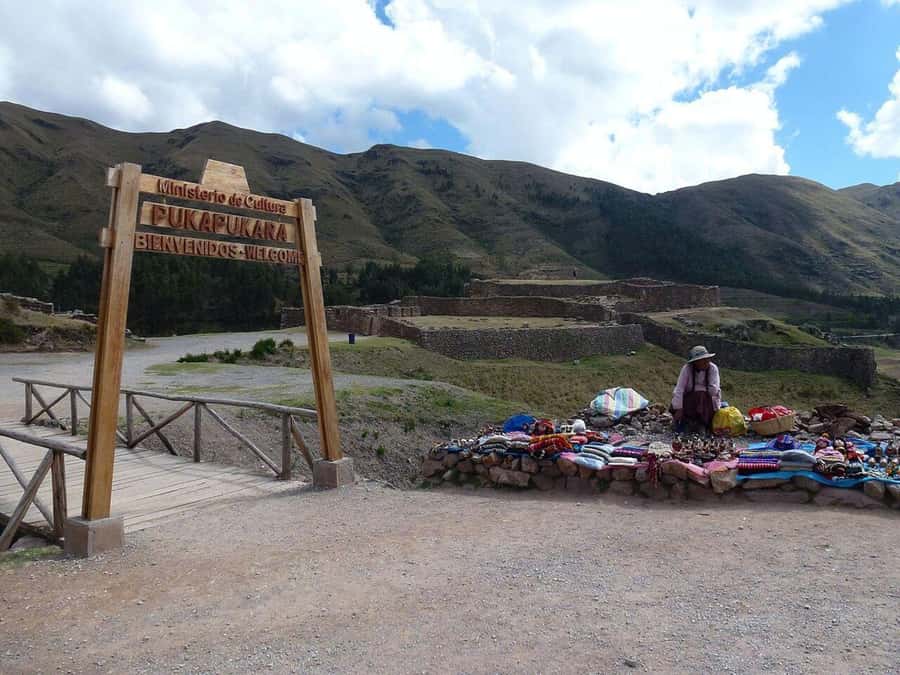
Puca Pucara is linked with military control, observation, and movement into Cusco. It served as a checkpoint and lookout post at one of the approaches to the Inca capital.
The stop is useful because it adds a practical layer to the day. Qoricancha shows religion. Sacsayhuamán shows major construction and ceremony. Q’enqo shows ritual activity. Puca Pucara helps you think about how the Inca state watched and managed routes around its capital.
The visit includes time for photographs and a short break. That pause is welcome during a route that moves between several sites. The high setting also opens up views, although the amount of time you get at the lookout can depend on the group and the guide’s pace.
This is not the stop to expect the largest walls or the most elaborate museum displays. Its strength is context. Once your guide explains its role, the ruins become part of a larger system rather than an isolated pile of stones.
Tambomachay: water, rest, and a quiet finish
The final archaeological stop is Tambomachay, associated with the worship of water. The site is linked with purification, rest, and spiritual practice, giving the route a calmer ending after the scale of Sacsayhuamán and the ritual questions raised at Q’enqo.
Inca water systems are one of the subjects that can make this stop especially rewarding. Look closely at the channels, stonework, and flow of water. The site shows that water was not just a practical resource. It also held ceremonial meaning.
Tambomachay is a good reminder that the Inca built for more than defense and display. Their settlements and sacred places reflected beliefs about nature, authority, movement, and cleanliness. Your guide can connect those ideas in a way that a self-guided visit may not.
The tour then returns to central Cusco. You finish with a clearer sense of how the surrounding sites relate to the city itself.
The guide makes the difference
This route covers a lot in a short time, so guiding is not a minor extra. It is the part that turns five stops into one connected story.
The tour is offered in English and Spanish. Joel handled a large bilingual group well, while Luis was praised for his clear explanations and strong command of the subject. Those details matter because bilingual groups can sometimes move slowly or split the guide’s attention. Here, the guiding appears to remain a real strength.
A good guide should help you understand the difference between a temple, a fortress, a ceremonial center, a checkpoint, and a water shrine. The best moments are not just lists of dates. They are explanations of why the Incas placed these sites where they did and what each one tells you about the empire.
The guide also affects the pace. Some groups found the tour well balanced, with enough time to explore and take photographs. Another group stayed out an hour longer than planned. That could mean a generous guide, traffic, a large group, or a mixture of factors. You should enjoy the extra time if your schedule allows, but avoid booking a tight connection afterward.
What the $27 price includes, and what it does not
At $27 per person, the tour is a good value for a guided route with transport and five important sites. You are paying for an organized half-day, hotel pickup in central Cusco, a bilingual guide, and transport between places that would otherwise require separate taxi arrangements.
The admissions change the real cost:
- Qoricancha: 20 soles
- Cusco Tourist Ticket: 70 to 120 soles
- Optional Cusco Cathedral visit: 20 soles
The five archaeological sites outside the city are covered by the Cusco Tourist Ticket. The exact price depends on the ticket type. If you already have a valid ticket from another outing, bring it. If not, budget for it before you book.
That means the tour is not truly a $27 all-inclusive sightseeing day. Still, the price remains reasonable if you want a guide and vehicle. The value is strongest for first-time visitors, people staying downtown, and anyone who wants the main sites handled in one route.
Timing, pickup, and practical planning
Pickup is included from your hotel in downtown Cusco. Be careful if you change hotels close to departure. One pickup problem followed a hotel change made less than 24 hours before the outing, so confirm your new location as early as possible.
The tour starts in or near the main square, the historic heart of Cusco, and ends back in the city center. Starting times depend on availability. Since the route can last longer than four hours, I would not pair it with a fixed appointment immediately afterward.
Altitude is another practical point. The tour data does not specify altitude assistance or a special walking program, so bring water, take a steady pace, and tell your guide if you need a brief pause. The experience includes both transport and walking, with a balance of sightseeing and rest rather than continuous hiking.
Bring your passport, comfortable shoes, sunglasses, a sun hat, sunscreen, snacks, and drinks. A hat is listed twice in the preparation notes, and that is not bad advice. The open archaeological sites offer limited shade.
Free cancellation is available up to two days before the tour for a full refund. Check the available starting time before booking, especially if your Cusco schedule includes a market visit, cathedral visit, or evening activity.
Who should book this experience
I would choose this tour if you want a clear first look at Cusco’s Inca sites without spending a full day on a distant excursion. It suits history fans, photographers, first-time visitors, and anyone who prefers to have the major logistics handled.
It is also a good choice if you want both the city and the surrounding ruins. Qoricancha gives you the urban and religious setting, while the four outer sites show the military, ceremonial, water, and engineering sides of the Inca world.
Families and mixed-age groups may appreciate the transport and short format, although you still need to be ready for uneven ground and sun. The balance of walking and riding makes it less demanding than a full-day mountain excursion.
I would be cautious if you dislike group tours, need a strict finish time, or want long, quiet visits at each ruin. Five sites in four hours means you get an overview, not a slow archaeological study. The route is designed to help you see the essentials and decide where you might want to return.
Should you book the Cusco City Tour?
Book it if you want an affordable, well-organized introduction to Cusco’s major Inca sites. The strongest reasons are the guide-led context, comfortable transport, and the chance to see Sacsayhuamán, Q’enqo, Puca Pucara, and Tambomachay in one outing.
Before paying, add the Qoricancha and Tourist Ticket costs to your budget. Confirm your downtown pickup if you have moved hotels, bring sun protection and water, and leave extra time after the scheduled finish.
I would take this tour early in a Cusco stay. It gives you the basic story of the city, from the Temple of the Sun to the water shrine at Tambomachay, and makes later visits to the Sacred Valley or Machu Picchu easier to understand.
FAQ
How long does the Cusco City Tour last?
The scheduled duration is four hours. The actual outing may run longer, so leave some flexibility after the tour.
What sites are included?
The route visits Qoricancha, Sacsayhuamán, Q’enqo Archaeological Complex, Puca Pucara Archaeological Complex, and Tambomachay.
Is hotel pickup included?
Yes. Pickup is included from hotels located in downtown Cusco.
Is transportation included?
Yes. Tourist transportation between the stops is included.
Is a tour guide included?
Yes. A bilingual live tour guide is included, with tours offered in Spanish and English.
Are entrance tickets included?
No. Qoricancha costs 20 soles, and the Cusco Tourist Ticket costs 70 to 120 soles. The optional Cusco Cathedral visit costs 20 soles.
Can I use a Tourist Ticket I already have?
Yes. You are advised to bring your Cusco Tourist Entrance Ticket if you already have one, including a ticket purchased during another tour.
What should I bring?
Bring your passport, comfortable shoes, sunglasses, a sun hat, a hat, sunscreen, snacks, and drinks.
Where does the tour start and finish?
The tour begins in Cusco, near the main square, and returns to the center of Cusco at the end.
What languages are available?
The live tour guide is available in Spanish and English.
Just added in Urubamba
- Super Sacred Valley★ 3.8 · 6 reviews
- Machu Picchu: 1-day tour by Vistadome Panoramic train★ 4.7 · 15 reviews
- Machupicchu 2025: The best ticket Circuit 2★ 3.5 · 6 reviews
- Machu Picchu: historical and photographic guided tour★ 4.9 · 27 reviews
- Private Guide in Machu Picchu for 3 Hours★ 4.2 · 17 reviews
- from Urubamba & Ollantaytambo:Sacred Valley Full-Day Private★ 4.9 · 31 reviews
- Cusco: Sacred Valley and Salt Mines Ending in Ollantaytambo★ 4.6 · 5 reviews
- From Cusco: City Tour in Cusco – Sacsayhuamán and Koricancha★ 3.0 · 4 reviews
Sacred Valley Tours, compared.
From Cusco: Sacred Valley & Maras Salt Mines Tour with Lunch
Read our review →
From Cusco: Moray, Maras Salt Mines & Chinchero Weavers Tour
Read our review →
2-Day Tour: Sacred Valley and Machu Picchu by Train
Read our review →
Sacred Valley, Pisac, Ollantaytambo, Salt Mines Moray
Read our review →
Chinchero,Moray & Salt Mines drop-off in Ollantaytambo
Read our review →
Sacred Valley and Maras Moray Tour with Full Day Buffet Lunch
Read our review →
Browse the lists this tour appears in