Reviewed · HALF-DAY
Andean Ancestral Ceremonies Half-Day Tour
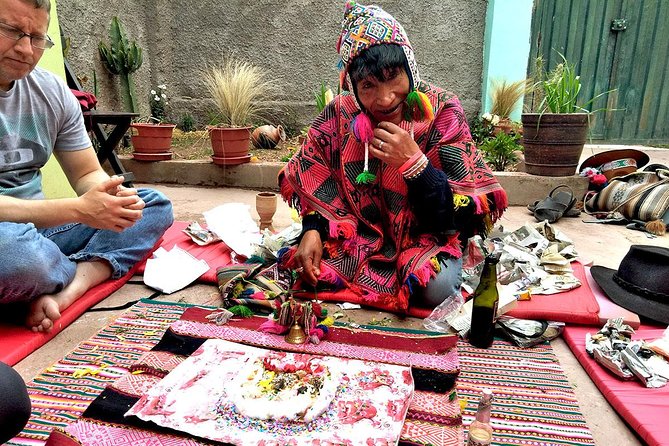
Step into another side of Cusco. This private four-hour outing takes you from the city to the Cusco countryside for three Andean ceremonies led in the original Quechua language, with English translation throughout. I like the personal format and the chance to take part in a coca leaf reading, a cleansing ritual, and an offering to Mother Earth rather than simply watching a performance.
I also like the practical pickup service and the choice of morning or afternoon departure. The main point to watch is the timing: the details give both a 7:00 a.m. start and a 9:00 a.m. hotel pickup, so confirm your exact collection time before setting your alarm. The experience can also run longer than the advertised half-day, especially if you have many questions during the reading.
In This Review
- Key Points Before You Book
- What This Ceremony Tour Is Really About
- Leaving Cusco for the South Valley
- The Coca Leaf Reading Takes Center Stage
- Cleansing and Flourishing for a Fresh Start
- Giving Thanks to Mother Earth
- Why the Quechua Translation Matters
- Is $99 a Fair Price?
- Who Will Enjoy This Most?
- Practical Tips for a Smoother Visit
- Should You Book the Andean Ancestral Ceremonies Tour?
- FAQ
- Where does the Andean ceremony tour take place?
- How long does the experience last?
- What time does the tour start?
- Is hotel pickup included?
- Is the tour private?
- Which ceremonies are included?
- Is English available during the ceremonies?
- Are meals included?
- What should I bring?
Key Points Before You Book
- Three ceremonies in one private visit: You take part in a coca leaf reading, an Andean cleansing and flourishing ceremony, and a traditional offering to Mother Earth.
- Quechua with English translation: Your guide translates the Andean priest’s words, helping you follow the meaning rather than guessing at what is happening.
- A countryside setting near Cusco: The tour travels about 30 minutes from the city to the Templo de la Luna area in the South Valley.
- Questions are part of the coca reading: Set aside 45 minutes to an hour if you want a detailed reading and personal answers.
- Round-trip transport is included: Private transportation removes the need to arrange a taxi or navigate public transportation on your own.
- Bring weather and spending basics: A jacket, sun protection, sunglasses, a snack, and cash for souvenirs are specifically recommended.
What This Ceremony Tour Is Really About
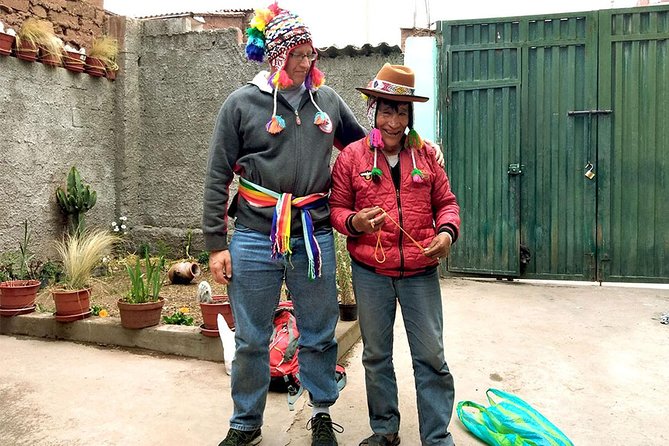
This is not a sightseeing trip built around a long list of monuments. Its focus is personal reflection, Andean spiritual practice, and a direct connection with a local ceremony leader. You are not simply looking at an ancient site and moving on. You are given time to ask questions, receive a reading, and take part in rituals connected with well-being, gratitude, and harmony with nature.
The ceremonies are conducted in Quechua, then explained in English by a translator. That detail matters. A spiritual ritual can feel confusing when you do not understand the words, gestures, or purpose. Here, the translation gives you a clearer sense of what is being said and lets you participate with more respect.
The tour is private, so only your own group takes part. That is a useful advantage for a ceremony built around personal questions. You will not need to discuss private concerns in front of a large busload of strangers, and the pace can be more personal than a standard group excursion.
Still, you should choose this experience for its ceremonial focus, not for a packed sightseeing schedule. The supplied plan gives one main location and three rituals. If your ideal morning includes several archaeological sites, long walks, or a full cultural lecture, this is probably not the right fit.
More things to do in Cusco:
- Classic Inca Trail Trek 4D/3N to Machu Picchu (Group Service)
★ 5.0 · 8,653 reviews - Cusco: Rainbow Mountain and Red Valley Day Trip with Meals
★ 4.9 · 4,893 reviews - Machu Picchu: 4-Day Inca Trail Trek with Panoramic Train Ride
★ 5.0 · 4,568 reviews
Leaving Cusco for the South Valley
Hotel pickup is included, and the drive to the ceremony setting takes about half an hour from Cusco. Private transport is one of the tour’s strongest practical features. You can start the morning without bargaining for a taxi or trying to find a rural meeting point.
There is a small timing wrinkle. The information lists a 7:00 a.m. start time, while the itinerary says pickup takes place at 9:00 a.m. and return is expected around 1:00 p.m. Those times do not fully match. I would contact CrossoverPeru Tours after booking and confirm the collection time, especially if you have a train, flight, or another tour later that day.
The countryside setting gives the ceremony more breathing room than a city room would. The tour identifies the Templo de la Luna as the stop, in the South Valley area. The available information does not promise a long guided visit to a range of ruins, so think of the temple area as the setting for the rituals rather than a full archaeological tour.
Wear layers. Cusco mornings can feel cool, while sun exposure can become strong. A jacket, hat, sunscreen, and sunglasses are all listed as useful items. Add a snack, since food is not included.
The Coca Leaf Reading Takes Center Stage
The first ceremony is a coca leaf reading. It lasts about 45 minutes to an hour, depending on how many questions you ask. That makes this more than a quick symbolic gesture. You have time to bring up personal concerns and listen to the interpretation through the English translator.
Coca leaves have a long place in Andean cultural and spiritual practice, and this reading is the most directly conversational part of the tour. You can use it to ask about your well-being or matters that are on your mind. The experience is likely to feel most meaningful if you arrive with a few thoughtful questions rather than expecting a fast, general prediction.
The private format helps here. With only your group present, you have room to speak openly and ask for clarification. At the same time, the length depends partly on you. If you want a short introduction, the ceremony may move quickly. If you want several questions answered, the schedule can stretch.
That timing helps explain why one couple found the outing longer than a typical half-day while also appreciating its personal nature. The lesson for you is simple: do not schedule a tight connection immediately afterward. The tour is listed at about four hours, but the coca reading alone can take up to an hour.
Cleansing and Flourishing for a Fresh Start
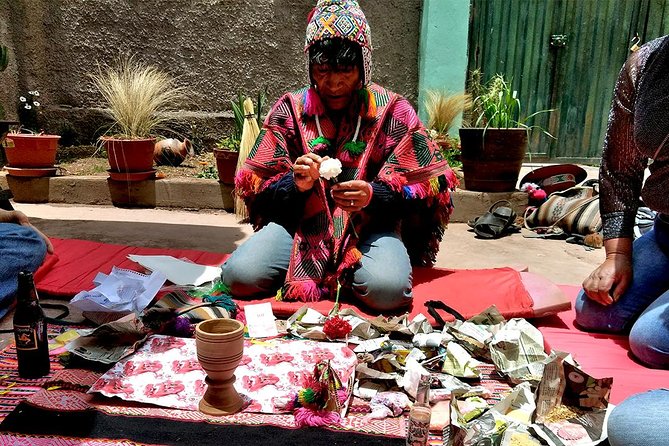
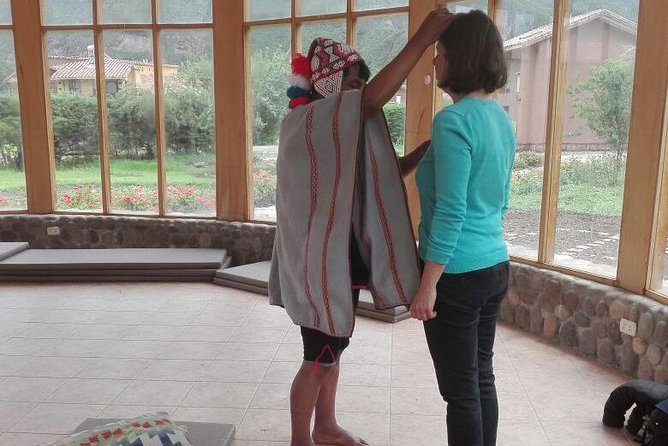
The second ritual is described as an Andean cleansing and flourishing ceremony. Its purpose is to remove negative energies and blocks. The wording reflects the spiritual meaning of the ceremony, not a medical treatment, so approach it as a cultural and personal ritual rather than a substitute for health care.
This part may appeal to you if you are marking a transition, looking for a symbolic fresh start, or simply curious about Andean customs. The translator should explain what the priest is doing and why, which makes the experience easier to follow.
The term flourishing suggests a positive wish for growth and good fortune. Along with the cleansing element, it gives the ceremony a forward-looking feel. You are not only being asked to let go of what feels heavy. You are also taking part in a ritual connected with renewal.
The supplied details do not list every movement or object used during the cleansing. That is worth knowing before you arrive. You will receive the tools and accessories needed for the ceremonies, but the exact steps may vary according to the priest and your questions. Listen to the explanation and ask the translator if a gesture or item is unclear.
A completely different kind of day:
- Salkantay Classic Trek 5 Days from Cusco
★ 5.0 · 4,062 reviews - 4-Day Salkantay Trek with Sky Camp Stay
★ 5.0 · 3,346 reviews - Short Inca Trail to Machu Picchu 2D/1N
★ 5.0 · 3,007 reviews - Excursion to Rainbow Mountain Full Day Optional Red Valley
★ 5.0 · 2,996 reviews
Giving Thanks to Mother Earth
The final ceremony is a traditional Andean offering to Mother Earth, also referred to as Pachamama in many Andean contexts, though the tour information itself uses the phrase Mother Earth. The ritual gives thanks for what you have received and recognizes the Apus, the sacred mountain powers, as part of that relationship.
You can also ask for well-being for yourself and your loved ones. The stated aim is a sense of harmony and union with nature and God. For many people, this will be the most memorable part because it joins personal hopes with gratitude rather than treating the ceremony as a prediction or spectacle.
The offering is also where the countryside setting makes the most sense. Away from the city, the act of acknowledging earth, mountains, and natural surroundings has a clear physical connection to the place around you. You do not need to share every spiritual belief to appreciate the ceremony as a living cultural practice.
Approach the offering with respect. This is not a staged photo stop, and it is best not to rush through it for pictures. Let the translator explain the meaning, follow the priest’s instructions, and treat the objects provided for the ritual as part of the ceremony rather than souvenirs.
Why the Quechua Translation Matters
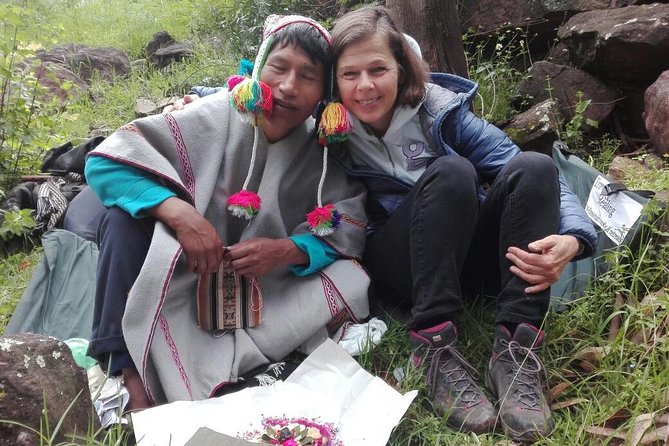
The priest conducts the ceremonies in Quechua, and an English-speaking translator explains the words. This is one of the most valuable inclusions in the $99 price, especially if you do not speak Quechua or Spanish.
Translation changes the experience from watching an unfamiliar ritual to understanding its purpose. You can follow the requests for gratitude, the explanation of cleansing, and the meaning behind asking for health and harmony. It also gives you a way to ask questions during the coca reading.
The translation may not make every cultural idea instantly familiar. That is normal. Andean spiritual traditions carry meanings that do not always fit neatly into English. Still, having someone interpret the priest’s words is far better than trying to work out the ceremony from gestures alone.
I would pay close attention to the translator’s explanations and ask for clarification when needed. Since this is a private activity, you have a better chance of getting a direct answer than you would in a large group.
Is $99 a Fair Price?
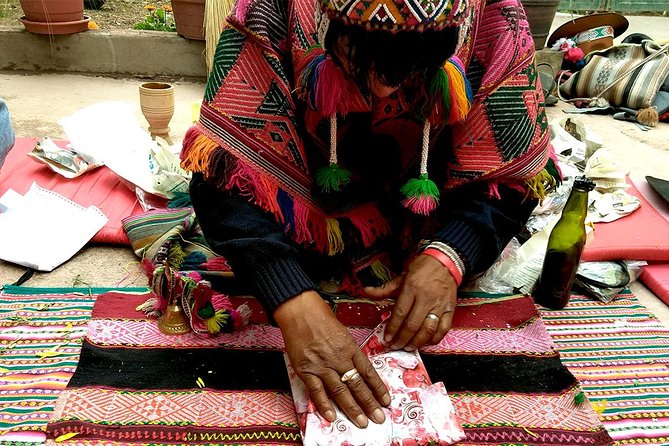
At $99 per person, this is not the cheapest way to spend four hours around Cusco. The value depends on what you want from the morning. You are paying for private round-trip transport, an English translator, three ceremonies with an Andean priest, and the tools and accessories used during the rituals.
A self-guided visit to the countryside would cost less, but it would not provide the priest, translation, or personal coca reading. A regular sightseeing tour might include more locations, yet offer little time for personal questions. If the ceremony itself is your priority, the package is reasonably well matched to the price.
The private format also matters. This is not a large group experience where you stand at the back and watch someone else receive attention. Only your group participates. For a couple or a small family group interested in a personal ritual, that privacy adds real value.
The price does not include meals, travel insurance, or extra costs. Bring cash for souvenirs, as requested, and do not expect lunch to be part of the outing. A snack is a smart addition, especially if your pickup is early.
Who Will Enjoy This Most?
I would recommend this tour to you if you want a quiet, personal cultural experience and are comfortable taking part in a spiritual ceremony. It suits couples, families, or small private groups who want the freedom to ask questions without an audience.
It is also a good option if you have already seen Cusco’s main sights and want something less conventional. The three-part structure gives the outing a clear purpose, while the English translation helps you understand what is happening.
You may want to skip it if you prefer strictly historical tours, large archaeological sites, or a schedule filled with active sightseeing. The ceremony is the main event. The Templo de la Luna setting adds atmosphere, but the available plan does not promise a full tour of multiple ruins.
You should also think about your comfort with spiritual practices. The language of negative energies, Mother Earth, Apus, and God is central to the experience. You do not need to adopt those beliefs, but you should be willing to observe and participate respectfully.
Practical Tips for a Smoother Visit
Bring the basics listed by the operator:
- A jacket for the cooler start
- Sunscreen, a hat, and sunglasses
- A snack, since meals are not included
- Cash for souvenirs
- A mobile ticket and your booking confirmation
The tour offers hotel pickup and is near public transportation, but private transport is included for the trip to and from the ceremony. Confirm the exact pickup time because the details list both 7:00 a.m. and 9:00 a.m.
Keep your afternoon flexible. The stated return is around 1:00 p.m., but the coca reading can last up to an hour, and the full experience may run beyond a strict four-hour schedule. This is especially important if you have a same-day train or flight.
Free cancellation is available when you cancel at least 24 hours before the local start time. Changes or cancellations made less than 24 hours in advance are not accepted for a refund.
Should You Book the Andean Ancestral Ceremonies Tour?
Book it if you want a private, personal encounter with Andean ceremony rather than another standard sightseeing loop. The combination of Quechua translation, three rituals, private transport, and time for a coca reading makes the $99 price easier to justify.
My main caution is timing. Confirm whether your pickup is at 7:00 a.m. or 9:00 a.m., and leave room in your schedule after the expected return. If you approach the ceremony with curiosity and respect, this can become one of the more memorable cultural experiences around Cusco. If you want ruins, museums, and constant movement, spend your half-day elsewhere.
FAQ
Where does the Andean ceremony tour take place?
The tour travels to a setting in the South Valley of Cusco, identified as the Templo de la Luna area. It is about half an hour from Cusco.
How long does the experience last?
The tour lasts approximately four hours. The expected return is around 1:00 p.m. for the morning itinerary, but the coca reading can last 45 minutes to an hour depending on your questions.
What time does the tour start?
The provided details list a 7:00 a.m. start time and also describe a 9:00 a.m. hotel pickup. Confirm your exact pickup time with CrossoverPeru Tours before the day of the tour.
Is hotel pickup included?
Yes. Round-trip private transportation from your Cusco hotel is included.
Is the tour private?
Yes. Only your group participates in the activity.
Which ceremonies are included?
The experience includes a coca leaf reading, an Andean cleansing and flourishing ceremony, and a traditional Andean offering to Mother Earth.
Is English available during the ceremonies?
Yes. The priest conducts the ceremonies in Quechua, and a translator provides the explanations in English.
Are meals included?
No. Meals are not included. You are advised to bring a snack.
What should I bring?
Bring a jacket, sunscreen, a hat, sunglasses, a snack, and cash for souvenirs.
Just added in Cusco
- Cusco Private Transportation for 2026★ 5.0 · 4 reviews
- Private Transfer from Airport to Hotel in the City of Cusco★ 4.0 · 5 reviews
- Best Cusco walking tour: dinner street food tasting★ 4.5 · 11 reviews
- Private Tour to Pisac Market and Pisac Ruins★ 5.0 · 4 reviews
- Machu Picchu Day Trip With Panoramic Train from Cusco★ 5.0 · 10 reviews
- Sacred Valley Private Tour from Cusco, Guide and Driver only★ 5.0 · 4 reviews
- Sacred Valley of the Incas Tour★ 5.0 · 12 reviews
- Private Tour of the Mountain of Colours by Quad★ 5.0 · 7 reviews
Half-Day, compared.
Lima Half-Day City Walking Tour (Small Groups)
Read our review →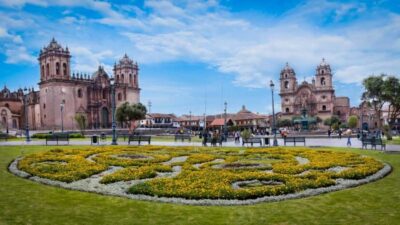
Half-Day City Tour with Sacsayhuaman and Q’enco
Read our review →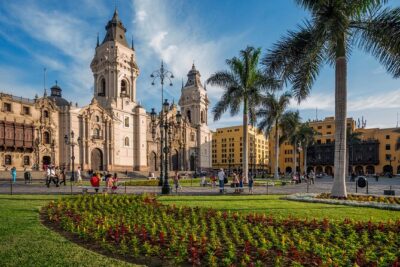
Lima’s Vibrant Heritage: Exploring the City’s Landmarks Half-day
Read our review →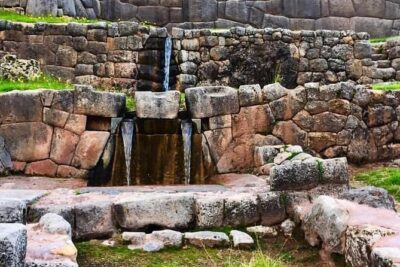
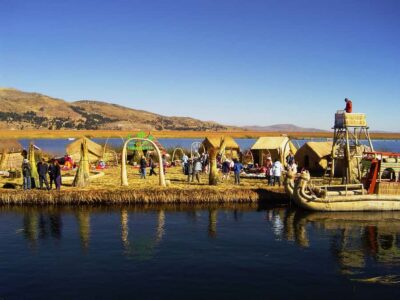
From Puno: Floating Islands of the Uros Half-Day Tour
Read our review →
Pachacamac Ruins & Barranco Half-Day Guided Tour
Read our review →
Pre Inca Temple of Pachacamac Half-Day Tour from Lima
Read our review →