
Reviewed · CUSCO CITY TOURS
Best Cusco City Tour Half Day Experience
Cusco packs centuries into one afternoon. This five-hour city tour links the city center with four major Inca sites, giving you a useful first look at Cusco without requiring a full day or a long trek. I like the smart route, which combines Qoricancha, the former Inca temple in town, with the hilltop ruins beyond the city. I also like the low price of $12 per person, especially since transport and a professional bilingual guide are included.
The main thing to watch is the extra entrance cost. Qoricancha costs S/20, and the separate tourist ticket costs S/70, so the advertised price is not the complete cost if you want to enter every site. The schedule can also run longer than five hours, particularly the late shift, which is listed as ending around 6:30 p.m.
In This Review
- Key points to know before booking
- Why this five-hour route works well in Cusco
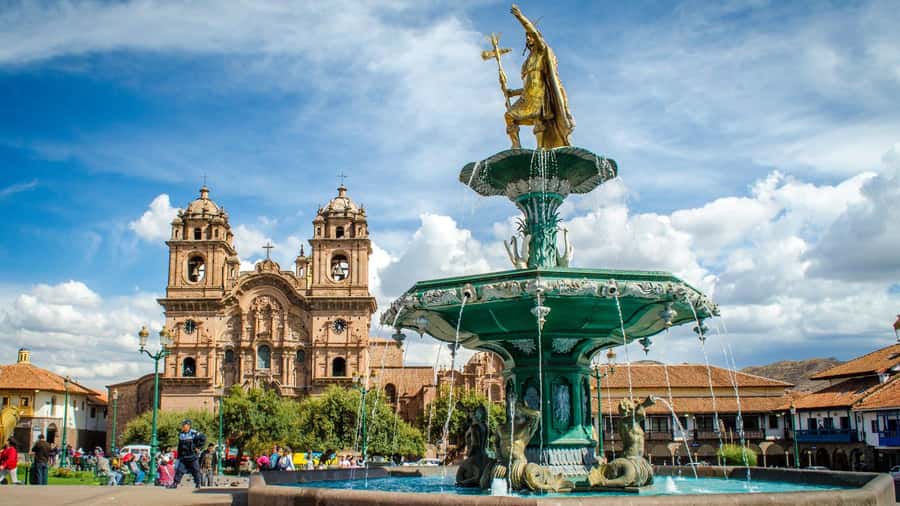
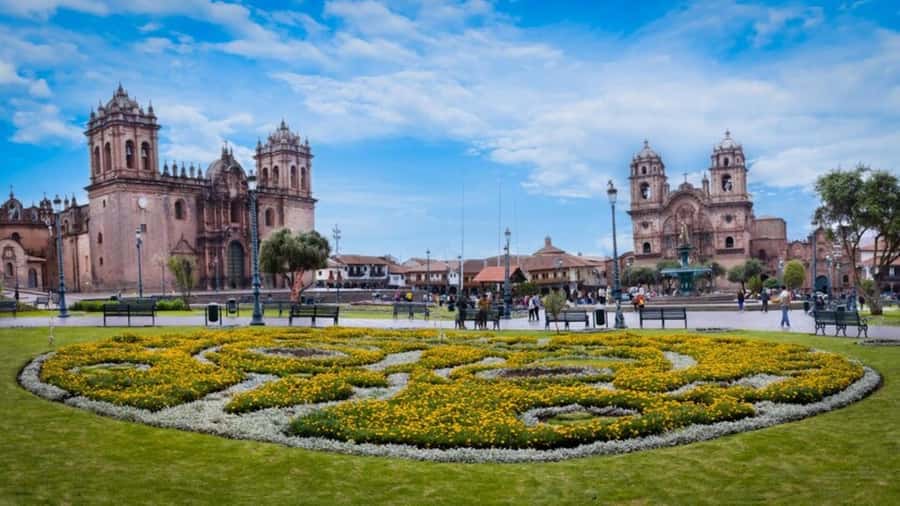
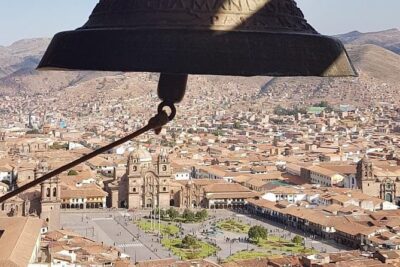
- Starting at Plaza de Armas and Qoricancha
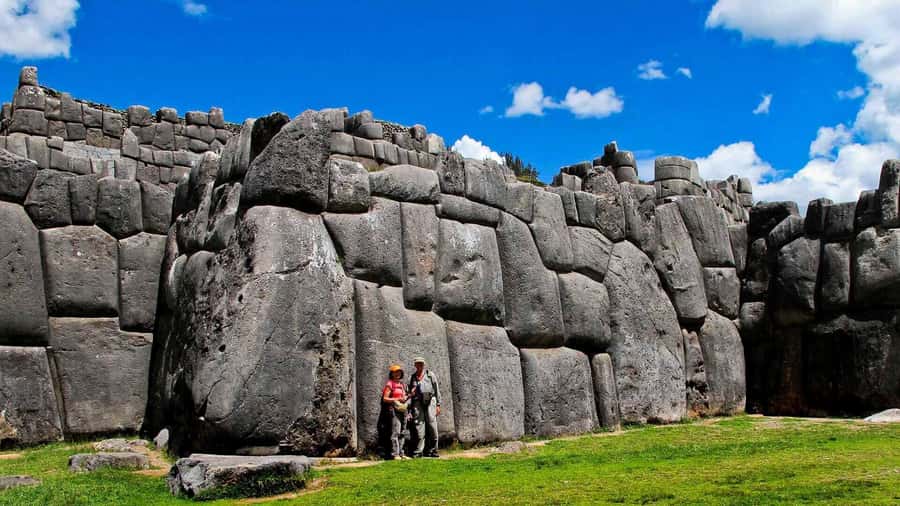
- Sacsayhuamán and the scale of Inca stonework
- Qenqo, a ceremonial site with a different mood
- Puca Pukara, an Inca checkpoint above the road
- Tambomachay and the sound of water
- Guides, transport, and the pace of the day
- What the $12 price really covers
- Who should book this Cusco city tour?
- Should you book it?
- FAQ
- How long does the Cusco City Tour take?
- Where does the tour start and finish?
- Which places does the tour visit?
- Is Qoricancha included in the tour?
- Are meals included?
- What languages are available for the guide?
Key points to know before booking
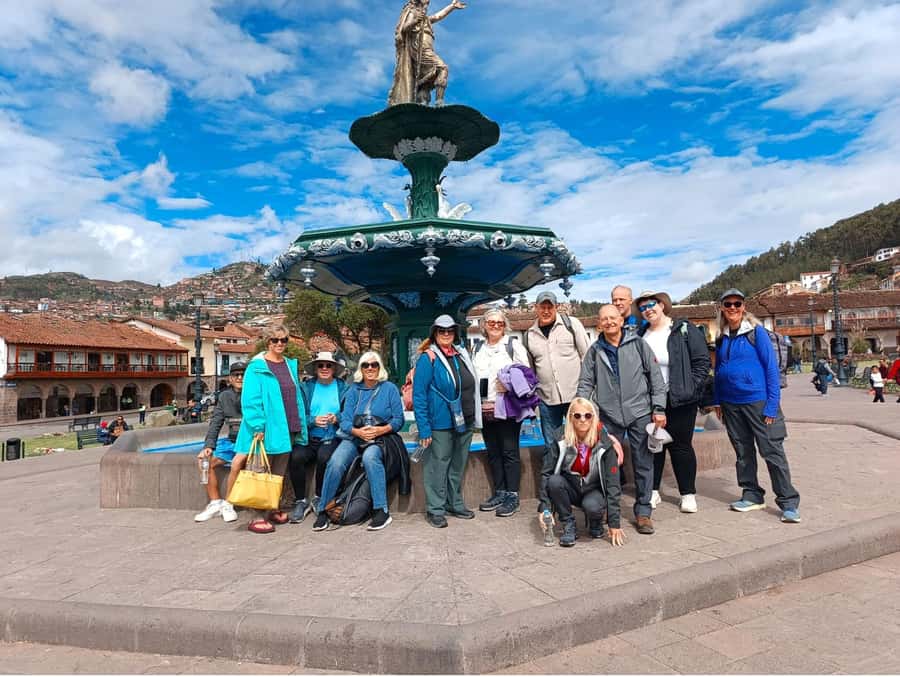
- Five major stops in one half-day: Visit Qoricancha, Sacsayhuamán, Qenqo, Puca Pukara, and Tambomachay.
- Two departure choices: The morning tour runs from about 9 a.m. to 2 p.m.; the late tour runs from about 1 p.m. to 6:30 p.m.
- Excellent value at $12: Tourist transport and a professional English or Spanish-speaking guide are included.
- Sacsayhuamán brings the big views: The massive stonework and high position make it one of the strongest stops.
- Qoricancha is optional: You can visit the temple with the guide, but its S/20 entrance fee is separate.
- Small-group comfort may vary: The available feedback praises manageable groups and comfortable, punctual transport, though group size is not fixed in the tour details.
Why this five-hour route works well in Cusco
Cusco can feel confusing at first. The streets rise quickly, the best-known ruins sit outside the center, and the city mixes Inca walls, Spanish churches, busy squares, and modern shops in a compact area. This tour gives you a framework before you explore on your own.
I like that the route does not treat Cusco as only a city-center destination. You begin near the Plaza de Armas, see Qoricancha, then ride to the high archaeological sites. That helps you connect the city you see from street level with the Inca ceremonial and defensive sites above it.
The tour is also practical for a short stay. If you have only one or two days in Cusco, you can see several major places without arranging separate taxis or negotiating transport. The minivan handles the longer connections, while the guide supplies the historical context that signs alone cannot provide.
The experience is suitable for all ages according to the tour information, but you should still expect walking and sightseeing at several archaeological sites. The details do not specify accessibility arrangements, so anyone who needs special mobility support should confirm that before booking.
More Cusco city tours:
- Cusco: Half-Day City Tour with Sacsayhuaman and Q’enco
★ 4.6 · 1,129 reviews - City Tour Cusco Qoricancha Sacsayhuaman y Tambomachay
★ 4.7 · 617 reviews - Cusco City Tour Four Ruins in Half-Day
★ 5.0 · 530 reviews
Starting at Plaza de Armas and Qoricancha
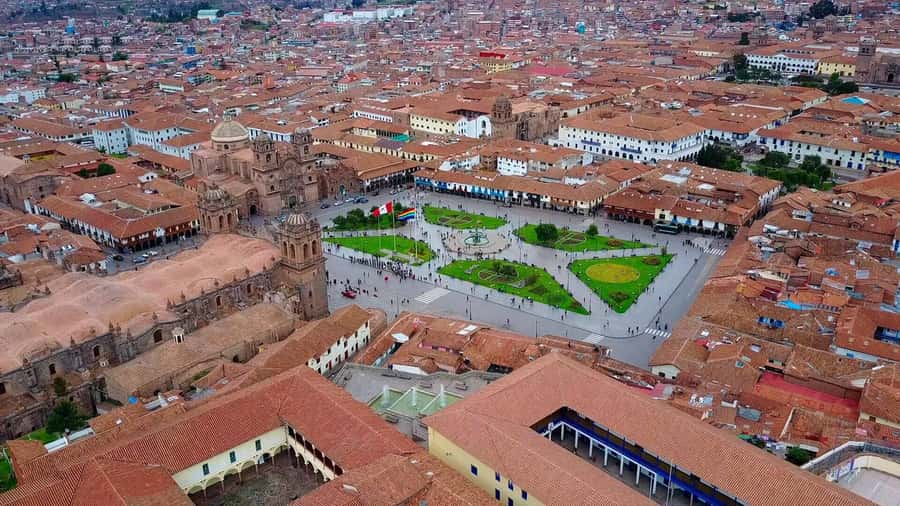
The meeting point is the Plaza de Armas, though pickup is available at the door of hotels in Cusco’s urban area for the scheduled departure. From the square, the listed route includes about a 10-minute walk to Qoricancha.
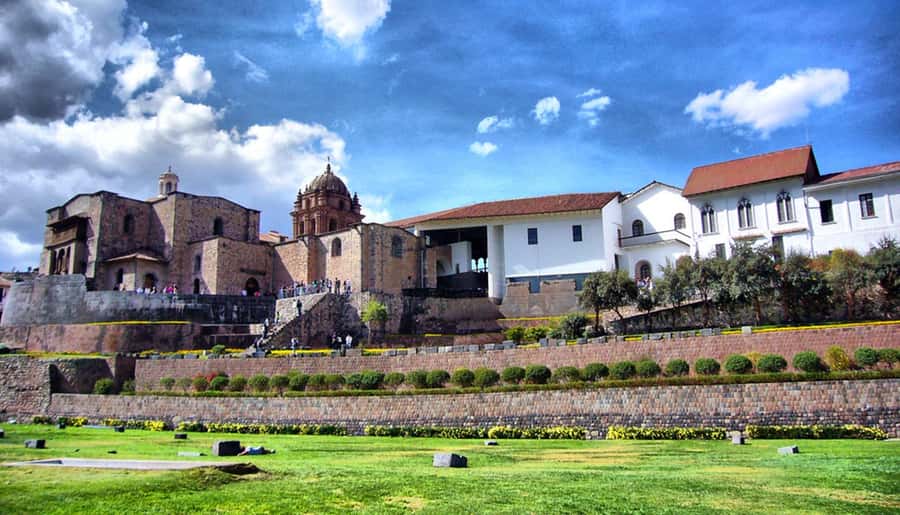
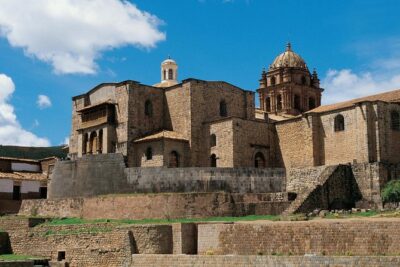
Qoricancha, also written Coricancha, was one of the most important Inca religious sites in Cusco. The name is commonly translated as golden enclosure, and the temple is especially valuable because it sits inside the modern city rather than in an isolated ruin field. You get a direct look at how Inca construction and Spanish colonial building occupy the same space.
The visit lasts about an hour and includes a guided tour, sightseeing, and time for photographs. The guide’s explanation matters here. Without context, you may notice stone walls and colonial structures but miss the meaning of the site and the way it reflects the change from Inca rule to Spanish rule.
Entry to Qoricancha is optional and costs S/20. This is an important detail because some people may prefer to photograph the exterior or save the fee for other attractions. If you want the full indoor visit, budget for this charge in addition to the tour price.
The walking section is short, but this is still a sightseeing tour rather than a ride-through experience. Wear shoes you can use comfortably for uneven surfaces and short periods of standing.
Sacsayhuamán and the scale of Inca stonework
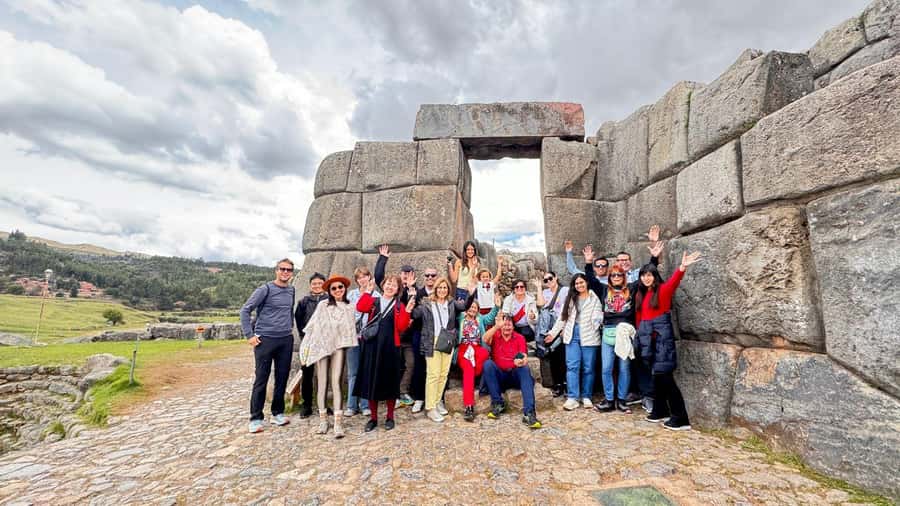
After Qoricancha, the minivan takes about 25 minutes to Sacsayhuamán. The stop lasts roughly an hour and includes a guided visit, sightseeing, and a chance to take photographs.
This is likely the visual high point of the tour. Sacsayhuamán sits above Cusco and provides broad views across much of the city. The site is famous for enormous fitted stones, and its walls make the scale of Inca construction much easier to understand than smaller fragments in the center.
I especially like this stop for first-time visitors because it combines scenery with architecture. You are not simply looking at old walls. You are looking down toward Cusco while standing among some of the most impressive stonework in the region.
The guide can also help you separate fact from guesswork. Sacsayhuamán has been described in several ways, including as a fortress and ceremonial site, and a good explanation helps you understand its role without reducing it to a single label.
The high position means the views are part of the experience, but weather can affect what you see. Bring a light layer and sun protection. The tour details do not promise a particular weather condition, so a cloudy afternoon may produce a different experience from a bright morning.
The stop receives repeated praise for its stonework, views, and clear explanations. Guides named Victor and Luis have been singled out for their friendly English and strong presentation, while the transport is praised for arriving on time and keeping the route moving.
Qenqo, a ceremonial site with a different mood
The drive from Sacsayhuamán to Qenqo takes about 15 minutes. You have approximately 35 minutes at the Q’enco Archaeological Complex for a guided visit and photographs.
Qenqo is a useful contrast with Sacsayhuamán. Instead of focusing mainly on huge defensive-looking walls and sweeping views, the site is associated with ceremonial and astronomical use. Its carved stone features invite closer attention, and the guide’s interpretation becomes especially useful here.
You should not expect a long independent exploration. Thirty-five minutes is enough for the main explanation and photographs, but the stop is compact. That is not a serious flaw on a half-day tour, though people who like to linger at every ruin may find the schedule brisk.
The short visit also shows the strength of the overall plan. The tour gives you several different types of Inca site in one outing: a major stone complex, a ceremonial location, a military outpost, and a water shrine. That range makes the afternoon more informative than a simple circuit of similar ruins.
More city tours in Cusco:
- Cusco: Sightseeing Tour of the City on an Open-Top Bus
★ 4.0 · 481 reviews - Open Bus Cusco City Tour
★ 4.5 · 219 reviews - Cusco: City Tour | Half-Day Tour to 4 Archaeological Sites
★ 4.6 · 206 reviews - City Tour in Cusco & visit Museum South American Camelid Private.
★ 5.0 · 147 reviews
Puca Pukara, an Inca checkpoint above the road
The next minivan ride takes about 25 minutes, followed by a visit of roughly 25 minutes at Puka Pukara. The site includes multiple rooms, plazas, baths, aqueducts, walls, and towers, and it is described as having a military purpose.
Puca Pukara is smaller than Sacsayhuamán, but its position helps you picture how movement through the area may once have been monitored. The name is often translated as red fortress, and its location beside an old route gives the stop a practical character.
This is another place where a guide adds real value. The remaining walls can look simple if you do not know what you are seeing. Point out the different levels, openings, and stone arrangements, and the site becomes easier to read.
The 25-minute stop is enough for an overview and photographs. It is not designed for a slow, private study of every structure. If your priority is seeing the largest ruins, you may find Sacsayhuamán more memorable. If you enjoy understanding how Inca sites functioned, Puca Pukara earns its place on the route.
Tambomachay and the sound of water
A short 10-minute ride brings you to Tambomachay. The scheduled visit lasts about 45 minutes and includes a guided tour, free time, and sightseeing.
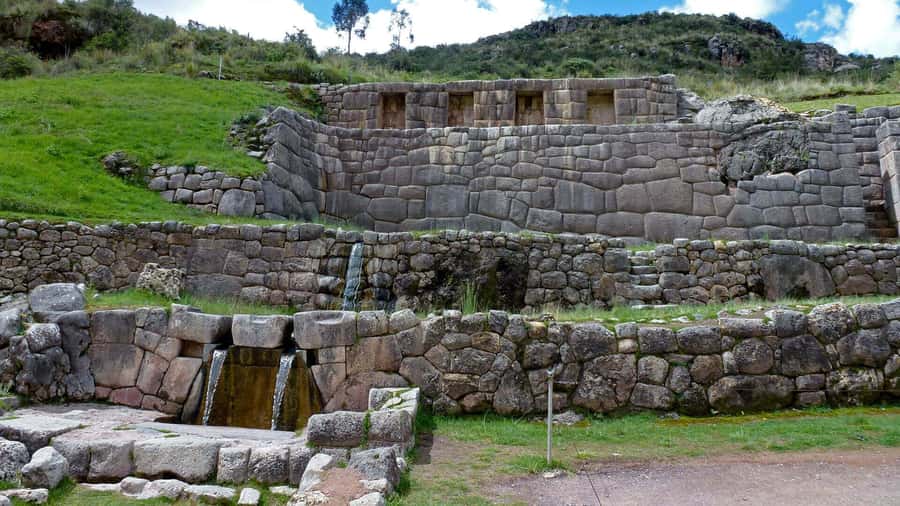
Tambomachay is associated with water worship. Its carved stone channels and flowing water features give it a different feel from the other stops, which focus more heavily on walls, terraces, or elevated views.
I like the change of pace here. After several archaeological complexes, the water channels make you look closely at engineering and ritual together. The site helps show that Inca construction was not only about military strength or monumental stonework. Water had religious and practical importance too.
The 45-minute stop gives you more room to listen, take photographs, and look around without being rushed. The exact amount of free time can depend on the guide and the group, but the schedule allows more time here than at Qenqo or Puca Pukara.
After Tambomachay, the minivan takes about 35 minutes back toward central Cusco. The service ends at Plaza Regocijo, near the historic center. That is convenient for continuing your afternoon on foot, finding a meal, or returning to your hotel.
Guides, transport, and the pace of the day
The tour includes a professional guide in English or Spanish. The strongest praise is directed at the guiding: clear explanations, enthusiasm for Inca culture, patience with questions, and an ability to keep the experience entertaining without losing the historical detail.
Victor is praised for adapting the pace and answering questions clearly. Luis is noted for speaking good English and giving a useful overview of Cusco in a short period. Guide quality can vary by departure, but these comments suggest that the operator has provided strong bilingual guiding on recent tours.
Transport is by tourist minivan. The available feedback describes it as comfortable and punctual, which matters because the route includes several separate drives. You spend about 25 minutes getting from Qoricancha to Sacsayhuamán, another 25 minutes to Puca Pukara, and 35 minutes returning to the center.
The schedule is full but sensible. The morning shift runs from 9 a.m. until about 2 p.m. The late shift begins around 1 p.m. and ends around 6:30 p.m. These are approximate times, so do not plan a tight connection immediately afterward.
Group size is not guaranteed in the details, although a recent experience was described as small and manageable. That is a plus because a smaller group makes it easier to hear the guide and ask questions. Still, you should treat that as a possibility rather than a promise.
What the $12 price really covers
At $12 per person, this is a strong transport-and-orientation deal. You receive tourist transport and a professional guide for about five hours, covering sites that would otherwise require several separate rides and some planning.
The price does not cover meals, breakfast, lunch, Qoricancha entry, or the S/70 tourist ticket. The wording about the tourist ticket does not specify every admission detail, so check the current requirements when booking. At minimum, you should add S/20 if you want to enter Qoricancha.
This extra cost does not erase the value of the tour. Even after adding admissions, you are paying for a guided route, transport, and a clear introduction to Cusco’s major archaeological sites. The deal is best for someone who wants a broad overview rather than a private tour with complete control over timing.
Bring money for entrance fees and food before or after the tour. Meals are not included, and no meal stop is listed as part of the experience.
Who should book this Cusco city tour?
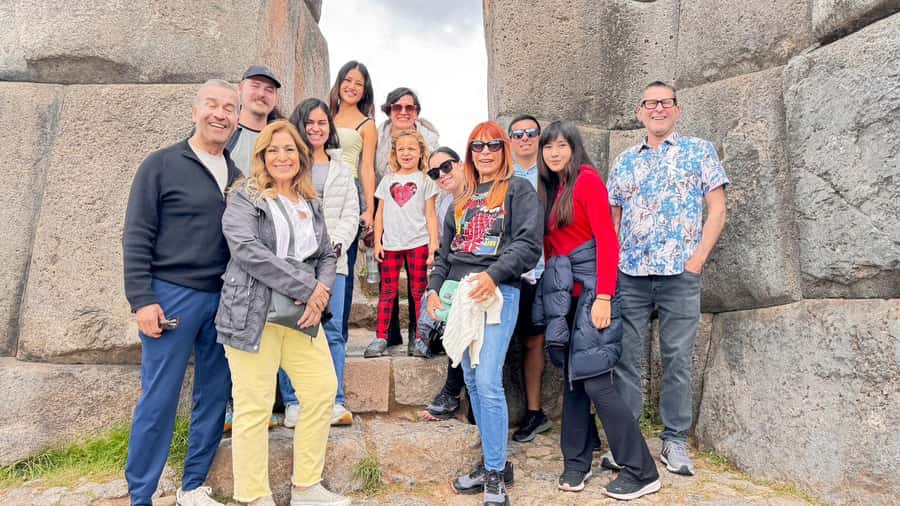
I would choose this tour if you are visiting Cusco for the first time and want the basic map of the city and its surrounding ruins. It also suits you if you have limited time, prefer organized transport, or want explanations in English or Spanish.
Families and mixed-age groups may appreciate the variety. The tour moves between city streets, stone complexes, viewpoints, and water channels, so the day does not feel like five identical ruin visits.
It is also a good first-day activity if you want to understand the area before visiting larger attractions elsewhere. The tour does not replace a longer archaeological visit, but it gives you useful background and helps you decide which sites deserve more time.
You may want something else if you dislike fixed schedules or want to spend an hour at every location. The short stops at Qenqo and Puca Pukara are efficient, not leisurely. You should also factor in the extra entrance fees before deciding that the advertised price is your total budget.
Cancellation is flexible: you can cancel up to 24 hours ahead for a full refund, and you can reserve now and pay later. Check availability for the exact start time, especially if you need the morning or late shift.
Should you book it?
Book this Cusco City Tour if you want a low-cost, well-organized introduction with strong guiding, comfortable transport, and the chance to see five important places in one half-day. The best parts are Sacsayhuamán’s scale, Qoricancha’s place in the city center, and the variety of the outlying sites.
Just budget for S/20 at Qoricancha and the separate S/70 tourist ticket, and allow extra time beyond the approximate schedule. If those costs and the group format suit you, this is one of the most efficient ways to get your bearings in Cusco.
FAQ
How long does the Cusco City Tour take?
The tour lasts about five hours. The morning shift runs from approximately 9 a.m. to 2 p.m., while the late shift runs from about 1 p.m. to 6:30 p.m.
Where does the tour start and finish?
The listed starting location is Plaza de Armas. Pickup is also available at the door of hotels in Cusco’s urban area. The service ends at Plaza Regocijo.
Which places does the tour visit?
The route includes Qoricancha, Sacsayhuamán, Qenqo, Puca Pukara, and Tambomachay.
Is Qoricancha included in the tour?
The visit to Qoricancha is optional. Its entrance ticket costs S/20 and is not included in the tour price.
Are meals included?
No. Breakfast, lunch, and other meals are not included.
What languages are available for the guide?
Live guiding is available in English and Spanish.
Just added in Cusco
- Cusco Private Transportation for 2026★ 5.0 · 4 reviews
- Private Transfer from Airport to Hotel in the City of Cusco★ 4.0 · 5 reviews
- Best Cusco walking tour: dinner street food tasting★ 4.5 · 11 reviews
- Private Tour to Pisac Market and Pisac Ruins★ 5.0 · 4 reviews
- Machu Picchu Day Trip With Panoramic Train from Cusco★ 5.0 · 10 reviews
- Private Tour of the Mountain of Colours by Quad★ 5.0 · 7 reviews
- Sacred Valley Private Tour from Cusco, Guide and Driver only★ 5.0 · 4 reviews
- Sacred Valley of the Incas Tour★ 5.0 · 12 reviews
Cusco City Tours, compared.
Half-Day City Tour with Sacsayhuaman and Q’enco
Read our review →
City Tour Cusco Qoricancha Sacsayhuaman y Tambomachay
Read our review →
Cusco City Sightseeing, San Pedro Market, Cathedral and Qorikancha Temple
Read our review →
Cusco City Sightseeing and Sacsayhuaman Archeological Park Tour
Read our review →
Cusco 4-Hour Private Tour Including Sacsayhuaman and Qenqo
Read our review →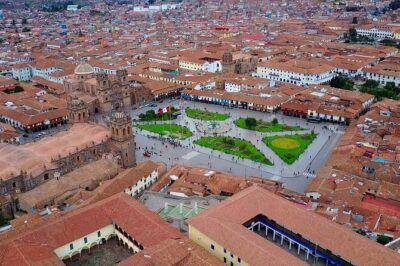
Browse the lists this tour appears in