
Reviewed · CUSCO CITY TOURS
City Tour Cusco, Qoricancha, Sacsayhuaman, Qenqo, Pucapucara and Tambomachay
Cusco’s best ruins fit into one busy morning. This half-day tour links Sacsayhuaman, Q’enqo, Puka Pukara, Tambomachay, and Qorikancha, giving you a quick look at both Inca sacred sites and Spanish colonial Cusco. I like the efficient route and the small maximum group of 15, which keeps the experience more manageable than a large coach tour.
I also like that hotel or Airbnb pickup is offered, and that transportation, an official guide, and English and Spanish instruction are included. The main catch is cost: the advertised $20 price does not include the partial tourist ticket or Qorikancha entrance, and guide quality can vary. One guide named Mike earned especially warm praise for his clear English, local history, humor, and willingness to take photos, while another visitor found the temple explanation difficult to follow.
In This Review
- Key Points at a Glance
- Why This Route Works in Cusco
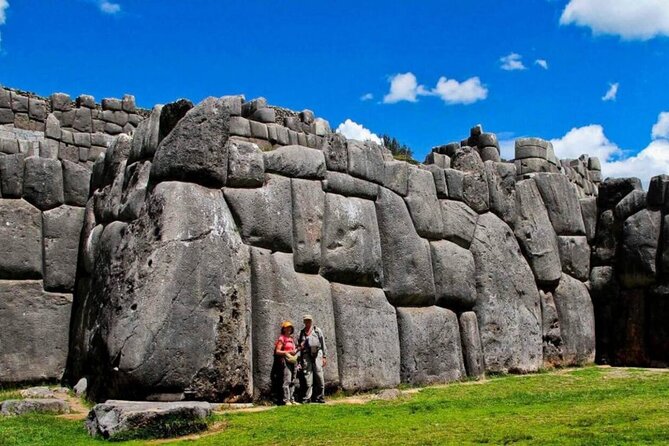
- Sacsayhuaman and Its Giant Stone Walls
- Q’enqo and the Three Inca Worlds
- Puka Pukara, an Inca Control Point
- Tambomachay and the Inca Baths
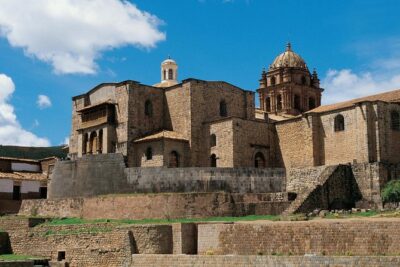
- Qorikancha and the Meeting of Two Traditions
- What the $20 Price Really Covers
- Pickup, Meeting Points, and the Pace of the Day
- English Guiding Can Make or Break the Experience
- Who Should Book This Cusco Tour?
- Should You Book It?
- FAQ
- How long does the Cusco city tour last?
- Which places are visited?
- Is hotel or Airbnb pickup available?
- Are entrance fees included?
- Is lunch included?
- How many people can join the tour?
Key Points at a Glance
- Five major Cusco sights in five to six hours: You visit four important Inca sites outside the center, then finish at Qorikancha.
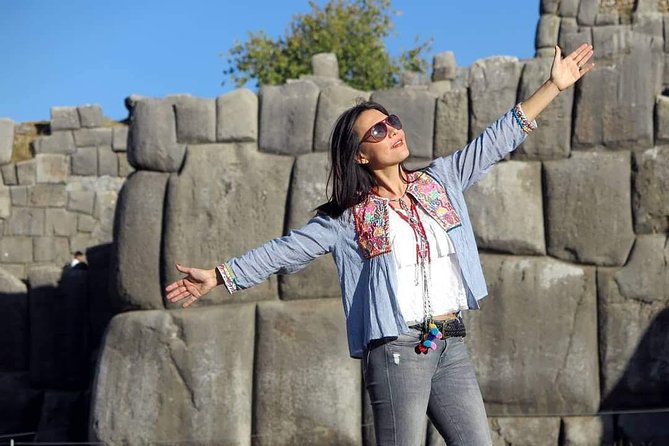
- Sacsayhuaman is the visual highlight: Its huge stones, some weighing up to 200 tons, make the scale of Inca construction easy to grasp.
- Qorikancha adds cultural contrast: The former Inca religious center shows how Catholic and Inca traditions occupy the same place.
- Extra entrance fees matter: Add 70 soles for the partial tourist ticket and 20 soles for Qorikancha per person.
- A small group makes a difference: The maximum is 15 people, with pickup before joining the group at Plaza de Armas or Plazaleta de Santo Domingo.
- Guide quality is important: Strong English and lively explanations can make this tour excellent, but the experience may be less satisfying if the guide speaks too softly or relies on memorized lines.
Why This Route Works in Cusco
Cusco offers more historic sites than most visitors can fit into a first visit. This tour gives you a useful overview without asking you to arrange several taxis, compare entrance rules, or work out the order of the ruins yourself.
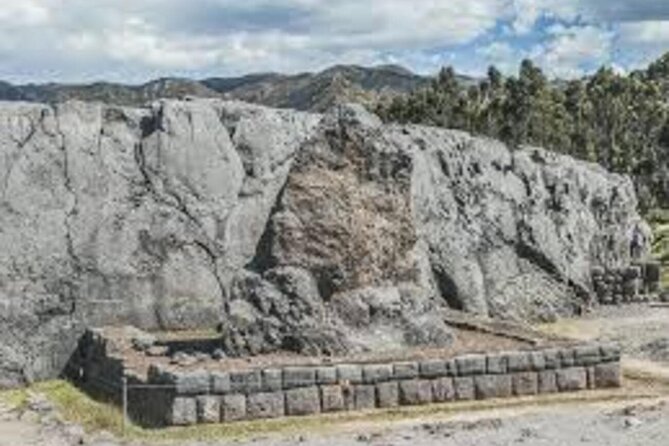
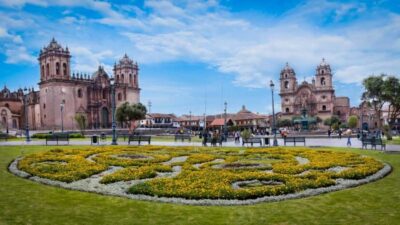
The route covers two kinds of places. Sacsayhuaman, Q’enqo, Puka Pukara, and Tambomachay sit outside the central streets, where you can see large stonework, ceremonial spaces, military control points, and water features. Qorikancha brings you back into town and focuses on the meeting of Inca and Catholic traditions.
The timing is listed as five to six hours, with about one hour at Sacsayhuaman, 30 minutes at Q’enqo, 30 minutes at Puka Pukara, one hour at Tambomachay, and 30 minutes at Qorikancha. That is enough for a guided introduction, though not enough for a slow, solitary visit at every stop.
I would treat this as a strong orientation tour. It helps you understand where the major sites fit and what to return to later if you want more time.
More Cusco city tours:
- Cusco: Half-Day City Tour with Sacsayhuaman and Q’enco
★ 4.6 · 1,129 reviews - City Tour Cusco Qoricancha Sacsayhuaman y Tambomachay
★ 4.7 · 617 reviews - Cusco City Tour Four Ruins in Half-Day
★ 5.0 · 530 reviews
Sacsayhuaman and Its Giant Stone Walls
Sacsayhuaman gets the longest first stop, and that makes sense. The site is known for enormous monoliths, with some stones reaching up to 200 tons. Even if you are not an architecture specialist, the size of the blocks gives you an immediate sense of the skill and labor behind the construction.
The ruins also include a broad esplanade associated with the Sun Festival. That detail adds a human element to the visit. You are not just looking at walls. You are hearing about a place used for major public and religious events.
The planned visit lasts about one hour. I like that amount of time for a first look, since the site needs room for explanation and photographs. You should still expect a fairly structured visit rather than unlimited time to wander.
Admission is not included in the $20 tour price. The separate partial tourist ticket costs 70 soles per person, so include that fee when comparing this experience with other Cusco options.
Q’enqo and the Three Inca Worlds
Q’enqo receives about 30 minutes. It is described as a sacred place connected with sacrifice and offerings to Pachamama, or Mother Earth. The guide also introduces the three Inca worlds: Ukhupacha, Kaypacha, and Hanaqpacha.
This is a short stop, but it adds religious meaning to the day. Sacsayhuaman shows public scale. Q’enqo helps explain the spiritual ideas that shaped Inca life and ceremony.
The limited time may be the main drawback. A 30-minute visit can work if your guide keeps the explanation focused, but it leaves little room for a long look or a quiet pause. I would pay close attention here, since the significance of the site depends heavily on the guide’s explanation.
Admission is not included. The partial tourist ticket is listed separately at 70 soles per person and should be planned for before departure.
Puka Pukara, an Inca Control Point
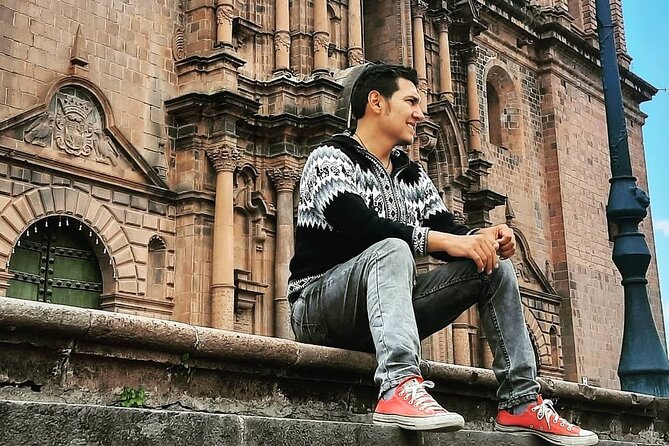
Puka Pukara is scheduled for another 30-minute visit. The site served the Inca army as a control point for people visiting Cusco through the Sacred Valley.
That purpose makes it different from the ceremonial focus of Q’enqo. Here, the guide can help you think about movement, supervision, and the way Cusco was connected to nearby areas. It is a compact stop, but it rounds out the tour by showing an administrative and military side of Inca society.
With only half an hour, you will want a clear explanation rather than a long historical lecture. A good bilingual guide can make this stop useful by connecting it to the other sites instead of treating it as an isolated pile of stones.
As with the other outer ruins, admission is not part of the base price. The separate 70-sol partial tourist ticket applies to the tour’s listed ruins.
More city tours in Cusco:
- Cusco: Sightseeing Tour of the City on an Open-Top Bus
★ 4.0 · 481 reviews - Open Bus Cusco City Tour
★ 4.5 · 219 reviews - Cusco: City Tour | Half-Day Tour to 4 Archaeological Sites
★ 4.6 · 206 reviews - City Tour in Cusco & visit Museum South American Camelid Private.
★ 5.0 · 147 reviews
Tambomachay and the Inca Baths
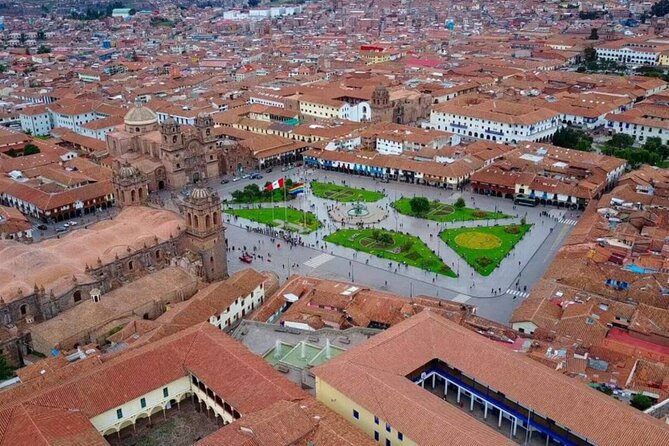
Tambomachay receives about one hour, making it one of the longer stops. It is known as the Inca bath and is described as a place where the Inca lived.
The site gives the tour a different mood. After the huge walls at Sacsayhuaman and the religious setting at Q’enqo, Tambomachay focuses on water and royal use. The name and water features make it an important part of the route, especially for anyone interested in how the Inca connected practical resources with ceremony and status.
The longer visit allows your guide to explain the site without rushing. It also gives you more time to take in the setting and photographs. Still, the quality of the stop depends on the guide. If the commentary is too soft or overly memorized, the visit may feel thinner than it should.
I would not skip Tambomachay just because it is smaller than Sacsayhuaman. The contrast is the point. A good tour should show you that Inca sites were not all built for the same purpose.
Qorikancha and the Meeting of Two Traditions
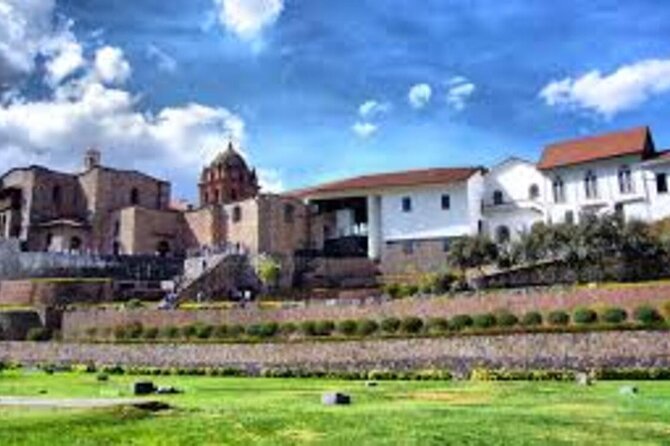
Qorikancha is the final listed stop and lasts about 30 minutes. Here you can examine the clash between Catholicism and Inca culture, along with the construction methods and surviving remains.
This is one of the most useful stops for understanding Cusco as a layered city. The experience is not only about seeing old walls. It is about noticing how different religious and political systems occupy the same historic space.
The separate entrance fee is 20 soles per person. That charge is not included in the tour cost, and one visitor felt that the temple portion was not worth the fee because the guide seemed inexperienced, spoke too softly, and relied too much on memorized material.
That criticism is worth taking seriously. Qorikancha depends more on explanation than a giant ruin does. At Sacsayhuaman, the massive stones make an immediate impression. At Qorikancha, a strong guide helps you understand why the surviving construction matters.
The best guide feedback came from a guide named Mike. He was praised for his excellent English, strong grasp of local history, good humor, and skill at taking photos. If you are assigned Mike, the Qorikancha portion may feel much more rewarding.
What the $20 Price Really Covers
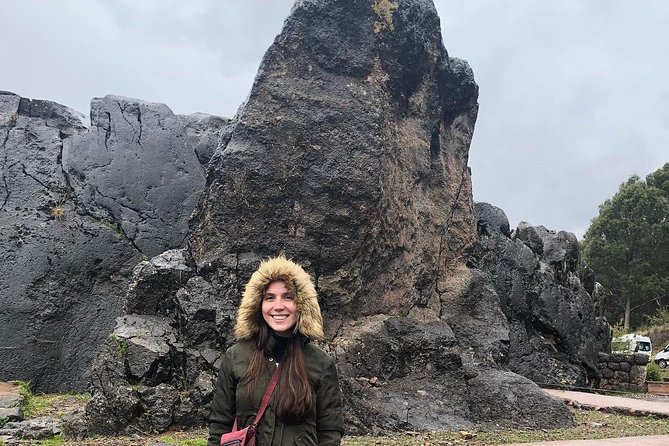
At $20 per person, the base price is appealing. It covers tourist transportation, an official tourism guide, the scheduled visits, and bilingual guiding in English and Spanish. Pickup from your hotel or Airbnb is also offered before the group gathers in central Cusco.
But the headline price is not the full cost. You need to add:
- 70 soles per person for the partial tourist ticket
- 20 soles per person for entrance to Qorikancha
- Lunch, which is not included
The tour returns you to the city for food, so you should plan to eat after the experience rather than expect a meal during the day.
The value is strongest if you want transport and a guide for several sites without arranging separate rides. It is less attractive if you already have transport, prefer long visits at one or two ruins, or do not want to pay extra entrance fees after booking.
The small group limit of 15 improves the value. You are more likely to hear the guide than you would in a large group, though a quiet or inexperienced guide can still create problems.
Pickup, Meeting Points, and the Pace of the Day
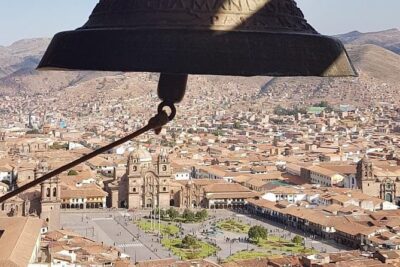
Pickup is offered from your hotel or Airbnb location. The transfer then takes you to Plaza de Armas or Plazaleta de Santo Domingo, where you join the group and begin the main tour.
That arrangement is useful if you are still getting your bearings in Cusco. You do not need to find the outer ruins on your own, and the central meeting points are practical for the start of a group outing.
The five to six-hour schedule is full. Four outer sites come before the Qorikancha visit, and the stop lengths range from 30 minutes to one hour. I would choose this tour if I value coverage over a relaxed pace.
You should also allow for the fact that group tours run on a shared schedule. One response to a complaint about guide communication noted that many groups follow a similar schedule. That means busy periods may affect how clearly you hear explanations or how easily the group moves between stops.
English Guiding Can Make or Break the Experience
The tour is offered in English and includes bilingual English and Spanish guiding. That is important because much of the value comes from context, not simply transport to ruins.
The feedback is mixed. Mike was praised for excellent English, local history, humor, and helpful photographs. Another guide at the temple was described as inexperienced, difficult to hear, and too dependent on memorized wording.
I would book this tour with realistic expectations. The operator appears willing to address communication problems, but guide assignment matters. If you have trouble hearing, move closer to the guide at each stop and ask for repetition when needed. The tour’s small group limit should help, but it does not guarantee the same guide or the same level of presentation.
For many people, a lively guide will turn a basic sightseeing loop into a memorable introduction to Cusco. For others, uneven commentary may make the extra entrance fees feel less worthwhile.
Who Should Book This Cusco Tour?
I think this experience suits you best if you are visiting Cusco for the first time, have limited time, and want to see several major sites in one outing. It also works well if you prefer having transport arranged and want a guide to explain the difference between ceremonial, military, residential, and religious locations.
It is a good fit for:
- First-time visitors who want a broad introduction
- People who prefer a small group to a large bus tour
- English or Spanish speakers who want bilingual guiding
- Visitors who want hotel or Airbnb pickup
- Anyone interested in both Inca ruins and Qorikancha
I would be more cautious if you want a quiet, unhurried experience. The schedule is fixed, several stops last only 30 minutes, and the guide’s speaking style can shape the day. You should also be comfortable paying the 70-sol partial ticket and the 20-sol Qorikancha fee in addition to the advertised price.
Most travelers can participate, and the tour is near public transportation. Confirmation arrives at booking. Free cancellation is available up to 24 hours before the start time, while poor weather can lead to a new date or a full refund.
Should You Book It?
Book this tour if your priority is efficient sightseeing. For $20, plus the required entrance fees, you get transport, a guide, and five key Cusco sites in roughly half a day. Sacsayhuaman supplies the big visual moment, while Q’enqo, Puka Pukara, Tambomachay, and Qorikancha add useful variety.
The main decision comes down to guide quality and pace. Mike’s excellent English, humor, history explanations, and photography show how good the experience can be. The weaker temple commentary shows the risk of a group tour.
I would recommend it for a first visit, especially if you want an overview before exploring Cusco on your own. I would skip it only if you prefer to spend a full day at fewer sites or want guaranteed, highly detailed interpretation at Qorikancha.
FAQ
How long does the Cusco city tour last?
The tour lasts approximately five to six hours.
Which places are visited?
The tour visits Sacsayhuaman, Q’enqo, Puka Pukara, Tambomachay, and Qorikancha.
Is hotel or Airbnb pickup available?
Yes. Pickup is offered from your hotel or Airbnb, followed by transport to Plaza de Armas or Plazaleta de Santo Domingo to join the group.
Are entrance fees included?
No. The partial tourist ticket costs 70 soles per person, and Qorikancha entrance costs 20 soles per person.
Is lunch included?
No. Food is not included, and you return to the city for lunch after the tour.
How many people can join the tour?
The maximum group size is 15 travelers.
Just added in Cusco
- Cusco Private Transportation for 2026★ 5.0 · 4 reviews
- Private Transfer from Airport to Hotel in the City of Cusco★ 4.0 · 5 reviews
- Best Cusco walking tour: dinner street food tasting★ 4.5 · 11 reviews
- Private Tour to Pisac Market and Pisac Ruins★ 5.0 · 4 reviews
- Machu Picchu Day Trip With Panoramic Train from Cusco★ 5.0 · 10 reviews
- Private Tour of the Mountain of Colours by Quad★ 5.0 · 7 reviews
- Sacred Valley Private Tour from Cusco, Guide and Driver only★ 5.0 · 4 reviews
- Sacred Valley of the Incas Tour★ 5.0 · 12 reviews
Cusco City Tours, compared.
Half-Day City Tour with Sacsayhuaman and Q’enco
Read our review →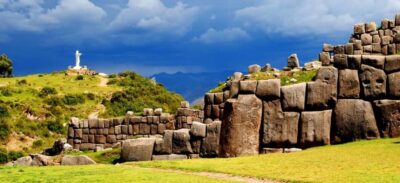
City Tour Cusco Qoricancha Sacsayhuaman y Tambomachay
Read our review →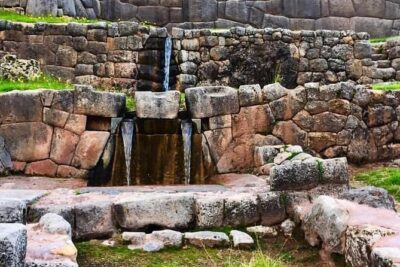
Cusco City Sightseeing, San Pedro Market, Cathedral and Qorikancha Temple
Read our review →
Cusco City Sightseeing and Sacsayhuaman Archeological Park Tour
Read our review →
Cusco 4-Hour Private Tour Including Sacsayhuaman and Qenqo
Read our review →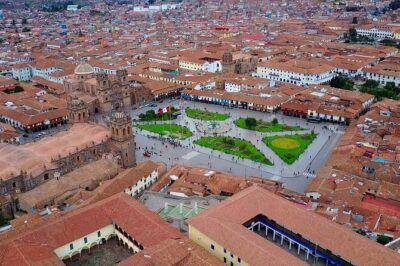
Browse the lists this tour appears in