
Reviewed · CUSCO CITY TOURS
Cusco City Tour And Ruins Around (group Tour – Economical Option)
Cusco reveals its secrets quickly. This half-day tour links the city’s two major sacred buildings with four Inca sites in the hills above town, making it a useful first look at Cusco’s Spanish and Inca past. I like the small maximum group of 10 and the fact that the price includes transport, an English-speaking guide, and entrance tickets. I also like the range of stops, from cathedral paintings to enormous stones and working water channels.
The main consideration is the timing information. The pickup description says 13:15, with a return around 18:30 to 19:00, while the meeting details list a 10:00 a.m. start. You should confirm the exact pickup time before setting your morning plans. The tour is also non-refundable, so last-minute changes are costly.
In This Review
- Key points at a glance
- Why this Cusco half-day tour works well
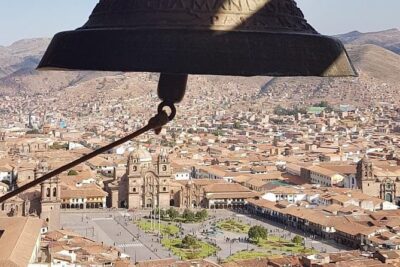
- Cusco Cathedral and the first look at the city
- Qorikancha, the Temple of the Sun
- Sacsayhuaman and the stones that define the afternoon
- Q’enqo and Puka Pukara, two very different ruins
- Tambomachay and the meaning of Inca water
- Transport, timing, and what the $70 covers
- Who should choose this group tour
- Final recommendation: a useful first day in Cusco
- FAQ
- What is included in the $70 tour price?
- How long does the tour last?
- What time does pickup begin?
- Can I be picked up at my hotel?
- Is lunch included?
- How many people are in the group?
Key points at a glance
- Sacsayhuaman’s giant stones: See carefully fitted blocks, some said to reach 9 meters and weigh more than 350 tons.
- Two important Cusco landmarks: Visit the Cathedral and Qorikancha, the former Temple of the Sun.
- Four hilltop ruins: The route includes Sacsayhuaman, Q’enqo, Puka Pukara, and Tambomachay.
- A practical first afternoon: The tour gives you a broad introduction to Cusco in about five to six hours.
- Small group transport: No more than 10 people are scheduled, with pickup available from your hotel or address.
- Good guide service: Guides such as Paola and Juan Carlos Lima were praised for clear explanations, kindness, punctuality, and care.
Why this Cusco half-day tour works well
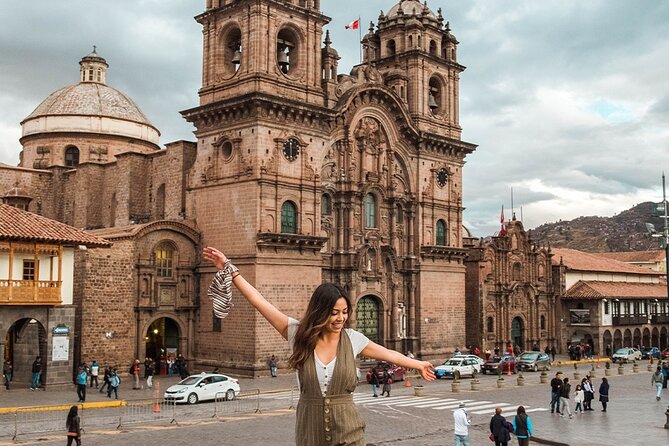
At $70 per person, this is an economical way to cover several major Cusco sights without arranging separate taxis, admission tickets, and guides. The price includes the Cathedral, Qorikancha Convent, the partial tourist ticket for the four nearby archaeological sites, and tourist transport.
That matters in Cusco because the sites are spread between the central plaza and the hills north of town. A self-guided visit can work, but you would need to organize each transfer and learn which ticket covers which ruin. Here, the basic structure is handled for you.
I especially like the route for a first day in Cusco. You begin with the city’s Spanish colonial center, then move into Inca religious and military sites. By the end, you have seen enough to understand that Cusco is not simply an old city with ruins nearby. Its streets, churches, temples, and hills are part of one connected story.
The group size should also help. Ten people is small enough for a guide to answer questions without turning every stop into a headcount exercise. The experience is still a group tour, though, so you will follow a shared schedule rather than linger wherever you wish.
The tour is offered in English, but the included guide is described as working with an English-Spanish group. If you need every explanation in English, confirm how the language is handled for your departure. The guide quality appears to be one of the strongest parts of the experience. Paola was praised for sharing information with warmth, while Juan Carlos Lima received credit for clear explanations, punctual service, and attentive care.
More Cusco city tours:
- Cusco: Half-Day City Tour with Sacsayhuaman and Q’enco
★ 4.6 · 1,129 reviews - City Tour Cusco Qoricancha Sacsayhuaman y Tambomachay
★ 4.7 · 617 reviews - Cusco City Tour Four Ruins in Half-Day
★ 5.0 · 530 reviews
Cusco Cathedral and the first look at the city
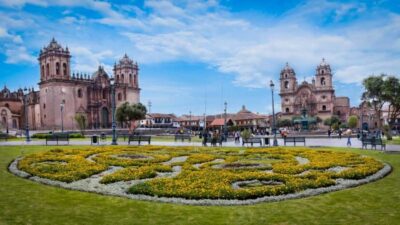
The first planned stop is Cusco Cathedral, on the main square. You have about 40 minutes here, and admission is included.
This is a good opening stop because the cathedral places you directly in the center of Cusco. The focus is on its paintings and interior features, giving you a quick introduction to the Spanish colonial side of the city before the tour heads to the Inca sites.
Forty minutes is enough for a guided overview, but not enough for a slow examination of every chapel or artwork. I would pay close attention to the guide’s explanation, then use any spare moments to look at the details that interest you most. If religious art is a priority, you may want to return independently later, but this tour is designed to provide an efficient first visit.
The central location also makes the cathedral a useful point of orientation. Afterward, the tour moves on to Qorikancha, where the layers of Cusco’s past become clearer.
Qorikancha, the Temple of the Sun
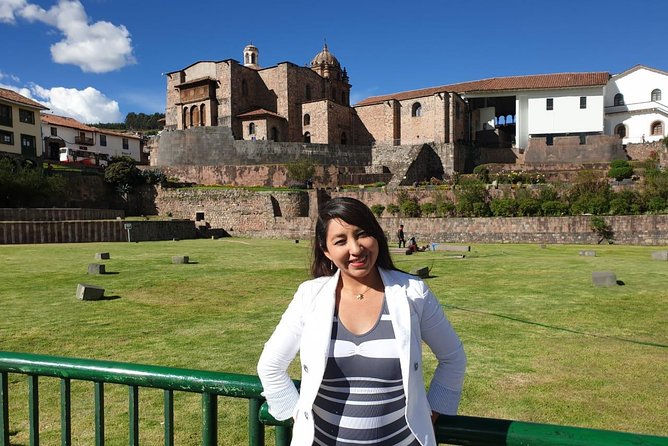
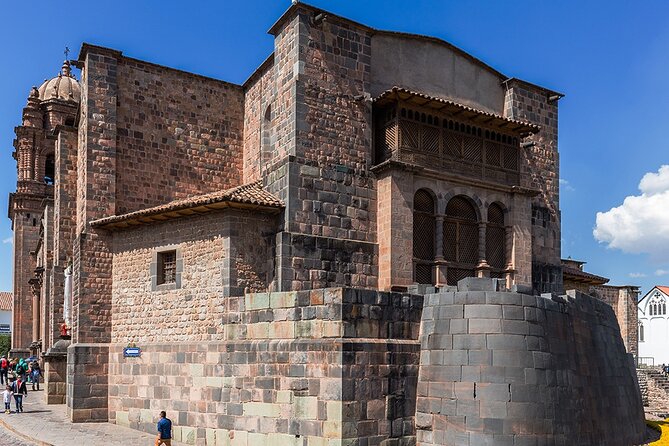
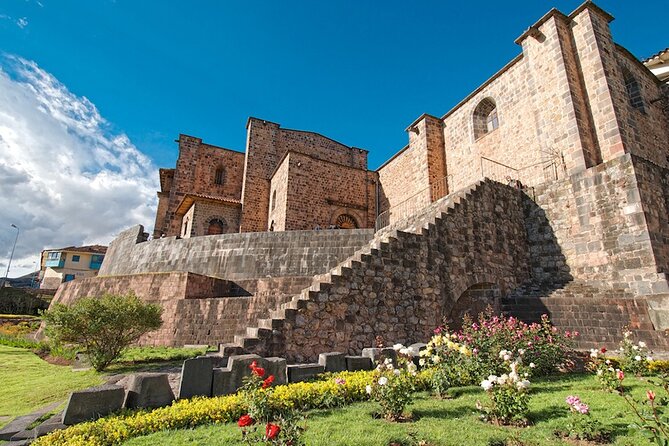
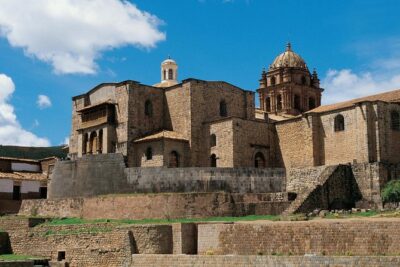
Qorikancha, also written as Coricancha, was the most important temple in the Inca Empire. It was dedicated to the Sun God and is often translated as the Golden Temple. During the colonial period, the Convent of Santo Domingo was built over the Inca complex.
You receive about 40 minutes here, with admission to the convent included. That combination is the point of the visit. You are not looking at an isolated Inca ruin or a separate Spanish church. You are seeing how one religious site was reused and changed after the Spanish conquest.
The stop is valuable because it gives the rest of the day some context. Sacsayhuaman may impress you with size, and Tambomachay may interest you with water, but Qorikancha explains the spiritual importance of the Inca capital. The guide’s comments can help you connect the building’s original purpose with the colonial structure that followed.
As with the Cathedral, 40 minutes creates a brisk visit. I would not expect time for a long, independent exploration. Still, including Qorikancha in the same tour saves you from choosing between the city center and the ruins outside it.
Sacsayhuaman and the stones that define the afternoon
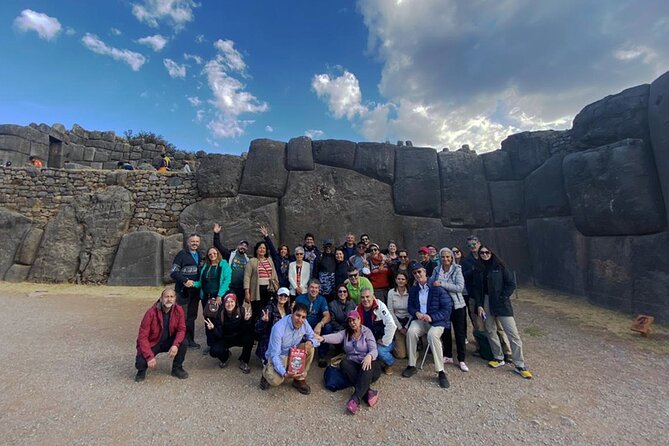
The route then climbs to Sacsayhuaman, one of the most memorable sites around Cusco. It was built on a mountain above the city, where you can look back across Cusco. The site is famous for its huge carved stones, with some described as about 9 meters tall and weighing more than 350 tons.
You have around 30 minutes here, the shortest scheduled stop. That is the main limitation. The site is large and visually striking, so you may feel that half an hour passes quickly, especially if you want photographs and a detailed explanation.
Still, this stop delivers the biggest visual moment of the tour. The stonework gives you a direct sense of Inca engineering. The blocks fit together with great precision, and their sheer size is difficult to understand from photographs alone.
Sacsayhuaman is also connected with Inti Raymi, the Festival of the Sun, held there each year. That detail helps explain why the site still carries such importance. You are not visiting only a defensive-looking ruin on a hill. It was also tied to ceremony and imperial power.
The view over Cusco is another reason to keep your camera ready. Weather can affect what you see. One guest described clear conditions early in the outing, followed later by rain that made the views disappear. The practical lesson is simple: take your photographs when the sky is open, and bring protection for changing weather.
More city tours in Cusco:
- Cusco: Sightseeing Tour of the City on an Open-Top Bus
★ 4.0 · 481 reviews - Open Bus Cusco City Tour
★ 4.5 · 219 reviews - Cusco: City Tour | Half-Day Tour to 4 Archaeological Sites
★ 4.6 · 206 reviews - City Tour in Cusco & visit Museum South American Camelid Private.
★ 5.0 · 147 reviews
Q’enqo and Puka Pukara, two very different ruins
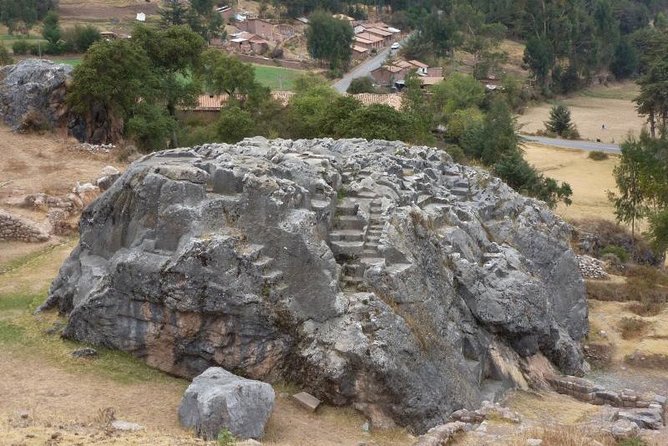
The next section combines Q’enqo and Puka Pukara, with about 40 minutes scheduled for the visit.
Q’enqo means labyrinth or zigzag. The site had a religious function, and it is associated with ceremonies connected to the dead, including the belief that Inca mummification took place there. Outside, you can see a semicircular amphitheater with trapezoidal niches and a monolith said to resemble a puma.
This is a more compact and mysterious stop than Sacsayhuaman. Its value comes from the questions it raises. The carved surfaces, niches, and ceremonial features do not offer the same immediate scale as the giant stones, so your guide’s explanation is especially useful here.
Puka Pukara means Red Fortress. The name comes from the reddish color that developed on the site’s limestone buildings from the surrounding soil. Its role may have included protecting Tambomachay, but its layout, fountains, aqueducts, and enclosures also suggest a tambo, or resting place that could provide food and lodging for the group accompanying the Inca.
These two places work well together because they show different functions. Q’enqo is linked with ritual activity, while Puka Pukara appears connected with movement, protection, and rest. You get more from the pair when you listen for those contrasts rather than treating both as piles of old stone.
The 40-minute allocation is shared across the two sites, according to the schedule. That means your actual time at each one may be limited. If you want a detailed study of every feature, a private visit would give you more control. For a first overview, the combined stop is efficient.
Tambomachay and the meaning of Inca water
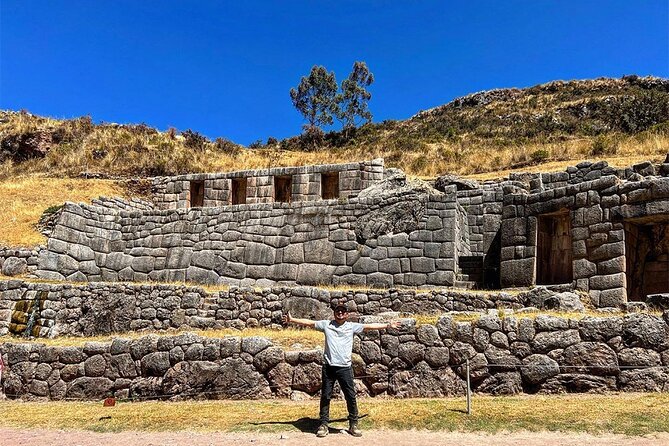
Tambomachay is the final archaeological stop. It lies about 8 kilometers north of Cusco, close to Puka Pukara, and is associated with the worship of water. It is also called the Inca Baths and includes aqueducts, channels, and small waterfalls running through the stonework.
You have about 40 minutes here. This gives you a chance to slow down after the larger sites and notice the way water was directed through the complex. The site is quieter in character than Sacsayhuaman, but the channels and falls make it easy to see why it was considered a special place.
Tambomachay is also described as a place where the Inca leader came to rest. That gives the stop a more personal side. The route is not only showing you military walls and formal temples. It also includes a location tied to water, ceremony, and retreat.
I would listen carefully to how your guide explains the connection between Tambomachay and Puka Pukara. Their close location was not accidental. One site is linked with water and rest, while the other may have helped protect or support the people traveling to it.
After Tambomachay, the group returns to Cusco by bus. The expected arrival is around 18:30 to 19:00, although the total outing is described as approximately five to six hours.
Transport, timing, and what the $70 covers
Pickup is available from your hotel or another address, but you must send the pickup information when arranging the tour. This is worth doing clearly and early, since the stated start times do not match. One part of the information gives 10:00 a.m., while the pickup instructions say 13:15 and the route description places the return in the early evening.
At minimum, ask for the exact pickup time, the meeting point, and the expected return before you book. That small check can prevent a long wait or a missed afternoon plan.
Transport is included, and the service was praised for punctuality and comfort. A comfortable vehicle makes a real difference on a route that moves between the central city and several sites outside it. The group is capped at 10 people, which should feel more manageable than a large coach tour.
The $70 price is strongest if you want convenience. Included admissions cover the Cathedral and Qorikancha Convent, as well as the partial tourist ticket for Sacsayhuaman, Q’enqo, Puka Pukara, and Tambomachay. You do not need to buy those main admissions separately during the outing.
Lunch is not included, nor are snacks, drinks, or tips. Since the tour lasts into the late afternoon, eat beforehand or plan food around the confirmed departure time. The schedule does not list a meal stop, so you should not count on one.
Who should choose this group tour
I would recommend this experience to anyone who wants a clear first introduction to Cusco and has limited time. It gives you the essential city center sights plus the four best-known nearby ruins in one organized outing.
It is also a good fit if you value explanations. The strongest praise went to the guides and staff, including Paola, Juan Carlos Lima, and Katheryn Vargas, who helped resolve a booking problem and arranged the excursion with care. The repeated themes were punctuality, friendly service, clear explanations, and good transport.
The tour may be less suitable if you want long periods at each ruin, extensive photography time, or complete freedom to change the order. Thirty minutes at Sacsayhuaman and a shared 40 minutes for Q’enqo and Puka Pukara create a fairly brisk pace.
It is also not ideal for someone who has already spent several days visiting the same sites with a private guide. In that case, the fixed group schedule may feel repetitive. For a first day, though, the route gives you useful bearings and enough background to make later visits more meaningful.
Most participants can take part, and confirmation is provided at booking. The supplied information does not give further accessibility details, so anyone with specific mobility needs should ask the operator before paying.
Final recommendation: a useful first day in Cusco
I would book this tour if you want the major sights covered in one afternoon, prefer a small group, and value transport and admissions being arranged for you. The combination of Cathedral, Qorikancha, Sacsayhuaman, Q’enqo, Puka Pukara, and Tambomachay offers a well-rounded introduction for $70.
Before booking, confirm the pickup time because 10:00 a.m. and 13:15 are both shown. Also remember that the booking is non-refundable and cannot be changed, so this is a better choice once your Cusco plans are firm.
Choose it for orientation, strong guide support, and efficient sightseeing. Skip it in favor of a private or slower tour if you want to linger at every ruin. For most first-time visitors with only a short stay, it is a practical way to see how Cusco’s cathedral, Inca temples, ceremonial sites, and mountain ruins fit together.
FAQ
What is included in the $70 tour price?
The price includes an English-Spanish group guide, tourist transport, admission to Cusco Cathedral and Qorikancha Convent, and the partial tourist ticket for Sacsayhuaman, Q’enqo, Puka Pukara, and Tambomachay.
How long does the tour last?
The experience lasts approximately five to six hours. The listed return time is around 18:30 to 19:00.
What time does pickup begin?
The information gives two different start times: 10:00 a.m. in the meeting details and 13:15 in the pickup description. Confirm the exact pickup time with the provider before the tour.
Can I be picked up at my hotel?
Yes. Pickup is offered, but you must send the hotel details or address where you want to be collected.
Is lunch included?
No. Lunch, tips, snacks, and drinks are not included.
How many people are in the group?
The group has a maximum of 10 participants.
Just added in Cusco
- Cusco Private Transportation for 2026★ 5.0 · 4 reviews
- Private Transfer from Airport to Hotel in the City of Cusco★ 4.0 · 5 reviews
- Best Cusco walking tour: dinner street food tasting★ 4.5 · 11 reviews
- Private Tour to Pisac Market and Pisac Ruins★ 5.0 · 4 reviews
- Machu Picchu Day Trip With Panoramic Train from Cusco★ 5.0 · 10 reviews
- Private Tour of the Mountain of Colours by Quad★ 5.0 · 7 reviews
- Sacred Valley Private Tour from Cusco, Guide and Driver only★ 5.0 · 4 reviews
- Sacred Valley of the Incas Tour★ 5.0 · 12 reviews
Cusco City Tours, compared.
Half-Day City Tour with Sacsayhuaman and Q’enco
Read our review →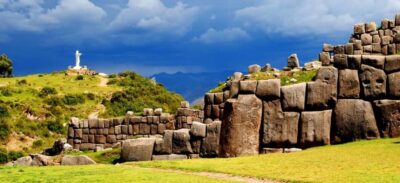
City Tour Cusco Qoricancha Sacsayhuaman y Tambomachay
Read our review →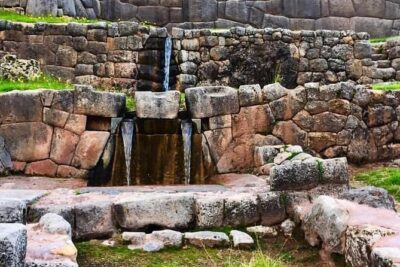
Cusco City Sightseeing, San Pedro Market, Cathedral and Qorikancha Temple
Read our review →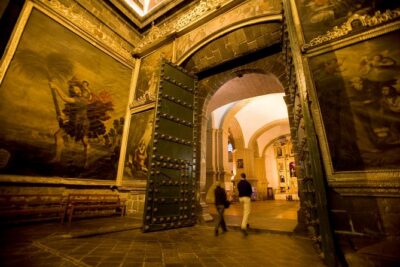
Cusco City Sightseeing and Sacsayhuaman Archeological Park Tour
Read our review →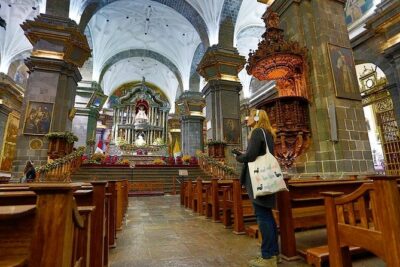
Cusco 4-Hour Private Tour Including Sacsayhuaman and Qenqo
Read our review →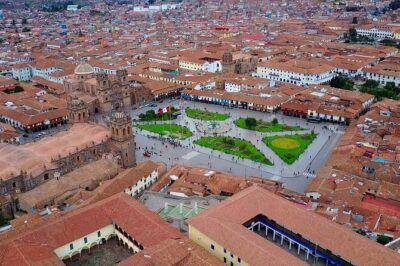
Browse the lists this tour appears in