
Reviewed · CUSCO CITY TOURS
Cusco City Tour – Group Service
Stonework, faith, and mountain views come together here. This half-day outing gives you a useful first look at Cusco, moving from the city’s Spanish-era Cathedral and Inca Qorikancha to four major archaeological sites above town. I like the low $15.39 price and the fact that transport, hotel pickup, and a professional guide are included. I also like the compact route, which covers a lot without taking a full day.
The main catch is that the advertised price is only the starting cost. You must also pay for the Cathedral, Qorikancha, and archaeological sites, bringing the required entrance fees to S/130 in total. The group can reach 15 people, and the tour begins in the afternoon, so you should expect a shared, fairly brisk visit rather than a private, slow-paced tour.
In This Review
- Key points at a glance
- What this Cusco tour actually gives you
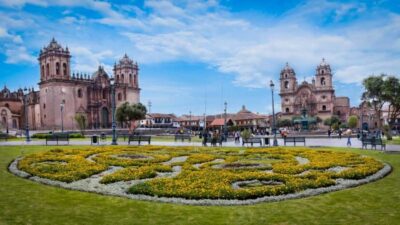
- Cusco Cathedral and the city’s mixed religious identity
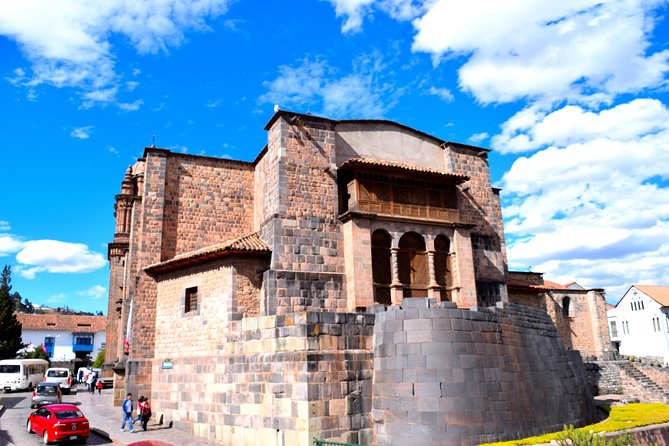
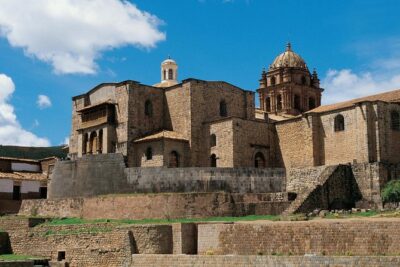
- Qorikancha, where Inca power met Spanish stone
- Sacsayhuaman and the giant stones above Cusco
- Q’enqo, a ceremonial site with a mysterious feel
- Puka Pukara and the old road network
- Tambomachay and the Inca respect for water
- Why the afternoon schedule can work well
- Group size, guides, and the quality of the experience
- The real price: what you should budget
- Who should book this tour?
- Should you book the Cusco City Tour?
- FAQ
- How long does the Cusco City Tour last?
- What time does the tour start?
- Where does the tour begin and end?
- Is hotel pickup included?
- Are entrance fees included in the tour price?
- What sites are included?
- Is transportation included?
- How many people can join the group?
- Can I cancel for a full refund?
Key points at a glance
- Six important stops in five to six hours: You visit the Cathedral, Qorikancha, Sacsayhuaman, Q’enqo, Puka Pukara, and Tambomachay.
- The archaeological sites require extra payment: The partial tourist ticket costs S/70, Qorikancha costs S/20, and the Cathedral costs S/40.
- Hotel pickup is included: Pickup takes place from your hotel, hostel, Airbnb, or similar accommodation between 1 and 2 pm.
- A small group keeps the outing manageable: The maximum group size is 15 people, not a huge coachload.
- Guides receive strong praise for patience and storytelling: Ernesto, Jonathan, Guido, Justino, Rodrigo, Paul Cano, and Johan are named in the supplied feedback.
- The afternoon schedule has a practical advantage: You can use the morning for rest, acclimatizing, or another Cusco activity.
What this Cusco tour actually gives you
This is a classic Cusco city tour with two cultural sights in town and four Inca sites outside the center. It is designed to show you the broad shape of Cusco in one outing: Spanish colonial religion, the former center of Inca power, ceremonial ruins, military works, roads, and water engineering.
The tour starts at 2 pm, with pickup arranged between 1 and 2 pm according to your accommodation’s location. The stated meeting point is Plaza Regocijo, and the activity ends back there. Since pickup is offered, you should provide the exact address of your hotel, hostel, Airbnb, or other lodging before the tour is confirmed.
The outing lasts about five to six hours. Each listed stop allows roughly 40 minutes. That is enough time to hear an explanation, see the main structures, and take photos, but it is not a long archaeological study. I would treat the tour as a strong orientation to Cusco, not as a substitute for spending several hours at each ruin.
Transportation is included, along with a professional guide and a first aid kit. A maximum of 15 people keeps the group smaller than many standard bus tours. Still, 15 is large enough that you may need to stay close to the guide and listen carefully when the group gathers.
More Cusco city tours:
- Cusco: Half-Day City Tour with Sacsayhuaman and Q’enco
★ 4.6 · 1,129 reviews - City Tour Cusco Qoricancha Sacsayhuaman y Tambomachay
★ 4.7 · 617 reviews - Cusco City Tour Four Ruins in Half-Day
★ 5.0 · 530 reviews
Cusco Cathedral and the city’s mixed religious identity
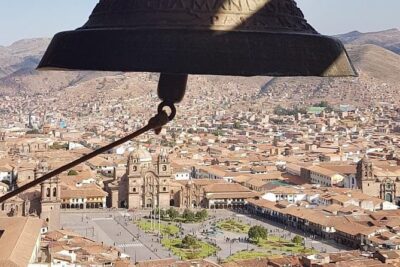
The Cathedral is the first listed stop, with about 40 minutes inside or around the building. It is important not only for its chapels, altars, and religious art, but also for the way it reflects the meeting of Andean beliefs and Spanish Christianity.
That blending is one of the most useful themes for your whole Cusco visit. The Cathedral is not simply a European church placed in Peru. Its meaning comes from the way local traditions and Catholic forms developed side by side. A good guide can help you notice that connection rather than reducing the stop to a quick photo of the facade.
The entrance fee is not part of the tour price. You should budget S/40 for admission. If you care about religious art, colonial architecture, or the cultural changes that followed the Spanish conquest, this extra charge is likely worthwhile. If churches are not a priority, you may find the 40-minute visit less rewarding than the open-air ruins later in the afternoon.
The schedule also gives you a practical reason to arrive ready. A 40-minute stop passes quickly when the guide is explaining several chapels and altars. Keep your attention on the details, then save time for your own photos if the guide allows it.
Qorikancha, where Inca power met Spanish stone
Qorikancha was the most important Inca temple in Cusco. The site is especially memorable for its precise stonework, and it helps explain why Cusco was the center of the Inca world before the Spanish period.
The tour allows about 40 minutes here. That makes Qorikancha a good place to compare Inca construction with the later colonial building placed around it. The sharp joins in the stone are the point. You do not need to know every technical term to appreciate the care required to fit the blocks so closely.
Admission costs S/20 and is separate from the tour. The fee is modest, and I consider Qorikancha one of the most useful paid stops because it gives you a clear introduction to Inca architecture before you reach the larger ruins outside town.
The order of the two city stops may affect how the afternoon feels, but the larger idea is the same. The Cathedral shows the power of the colonial church. Qorikancha points you back to the sacred and political center of the Inca state. Taken together, these visits give the tour more depth than a simple ruins circuit.
Sacsayhuaman and the giant stones above Cusco
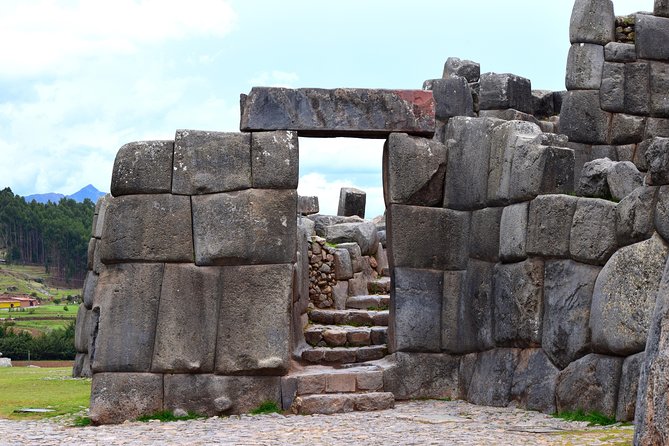
Sacsayhuaman is the dramatic stop. The site began under Inca ruler Pachacutec in the 15th century, and the scale of its stonework is hard to grasp from photographs alone. Some stones are estimated to weigh as much as 125 tons.
The site is also a lesson in loss. Only about 40 percent of the former structure is believed to remain, yet what survives is still immense. The stones were extracted from nearby quarries and moved roughly 20 kilometers to the hill above Cusco. How the builders shaped and placed blocks of that size remains a source of debate and wonder.
You have about 40 minutes here. That is enough to see the great zigzag walls and understand the site’s scale, but you will not explore every corner. I would listen closely to the guide’s explanation, then use the remaining time to look across the terraces and take in the position above the city.
This stop can be physically more demanding than the indoor sites because of the size of the complex and its setting on a hill. The supplied feedback specifically praises Guido for explaining details carefully and waiting when someone felt tired. That kind of patience matters on a route that includes several high-altitude archaeological sites in one afternoon.
More city tours in Cusco:
- Cusco: Sightseeing Tour of the City on an Open-Top Bus
★ 4.0 · 481 reviews - Open Bus Cusco City Tour
★ 4.5 · 219 reviews - Cusco: City Tour | Half-Day Tour to 4 Archaeological Sites
★ 4.6 · 206 reviews - City Tour in Cusco & visit Museum South American Camelid Private.
★ 5.0 · 147 reviews
Q’enqo, a ceremonial site with a mysterious feel
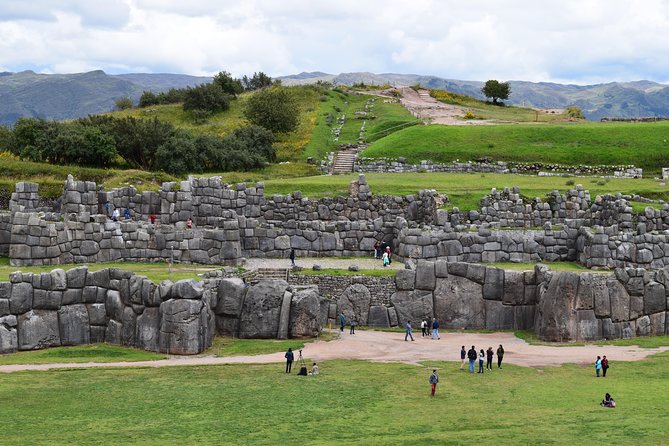
Q’enqo means labyrinth in Quechua. Its name fits the winding channels, carved surfaces, and passageways that give the site a more enclosed and puzzling character than Sacsayhuaman.
The complex is linked with Andean ideas about Kaypacha, the living world, and with ceremonies involving the sun, earth, mountains, moon, and stars. The amphitheater, canals, maze-like areas, and sacrificial room all give the guide plenty to explain.
Again, the scheduled time is about 40 minutes. Q’enqo is not a place where you need a long walk to understand the main attraction. Instead, it rewards careful listening. The meaning of the spaces is less obvious than the size of Sacsayhuaman, so the quality of the explanation can shape your experience.
This is one reason the guide matters so much on a group tour. Without context, Q’enqo can look like a set of worn stones and narrow passages. With a clear explanation, the site becomes a window into how the Incas connected sacred places with natural forces and religious practice.
Puka Pukara and the old road network
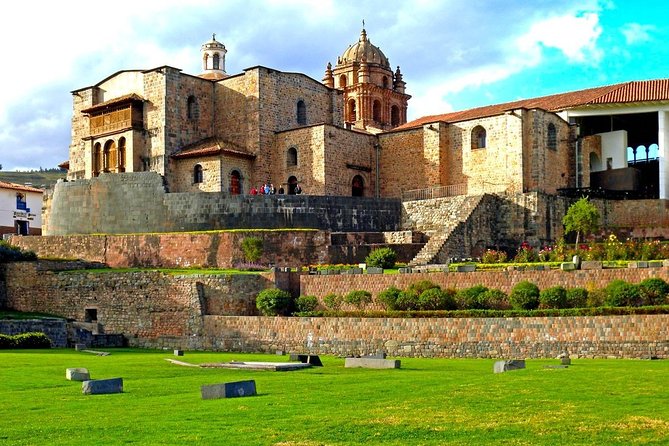
Puka Pukara has a different character. Its name is often connected with the idea of a red fortress, and the complex includes inner squares, canals, aqueducts, baths, and an ancient road believed to have formed part of the Qhapaq Ñan, the Inca road system.
The stonework here is less finely finished than at Qorikancha or some parts of Sacsayhuaman. The rocks are small and medium-sized, with uneven surfaces. That difference is useful. It reminds you that Inca construction varied according to the role of a site, its location, and the level of finish required.
You have roughly 40 minutes to look around. Puka Pukara is a good stop for understanding movement and administration, not just temples and ceremonies. Roads, water channels, courtyards, and lookout-like structures show how the Inca state organized people and supplies across difficult terrain.
The visit also breaks up the larger stones and enclosed ceremonial spaces found earlier. If you are taking photos, the open setting can be appealing, but the tour does not promise extended time for photography. Stay aware of the group’s pace.
Tambomachay and the Inca respect for water
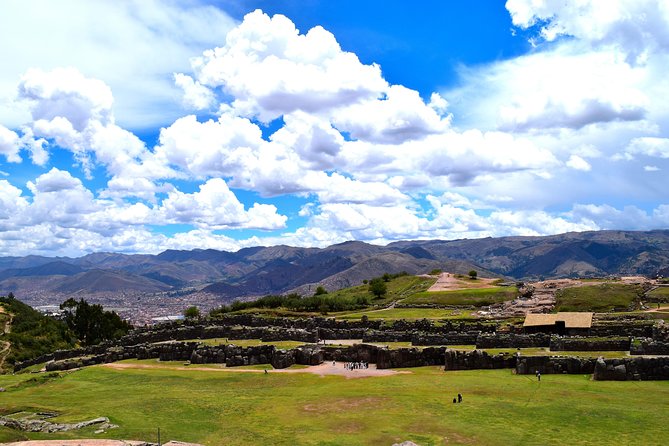
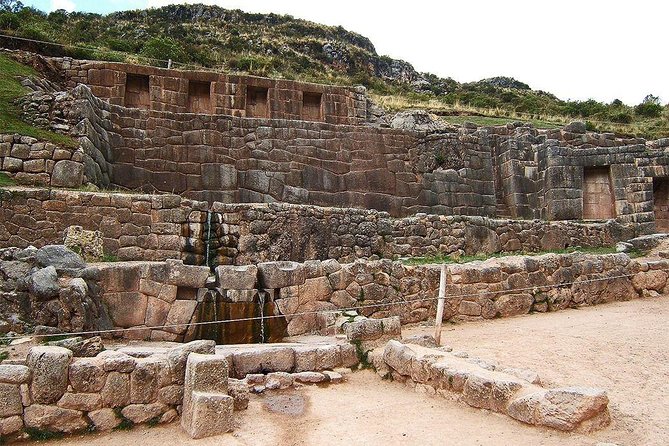
Tambomachay is also called the Baños de Inca, or Baths of the Inca. Its main feature is a sophisticated hydraulic system, with water flowing through carefully built stone channels.
Water held sacred value in Inca belief. At Tambomachay, engineering and worship come together. The site shows how practical control of water could also carry religious meaning. The walls are carefully formed, and the underground hydraulic work gives the stop a special focus that differs from the military and ceremonial sites earlier in the route.
The tour allows approximately 40 minutes here. That should give you time to see the channels and hear how the system worked, though you may want longer if ancient engineering is your main interest.
Tambomachay is the final archaeological stop listed, which gives the tour a sensible finish. After seeing power at Sacsayhuaman, ritual at Q’enqo, roads and enclosures at Puka Pukara, and water at Tambomachay, you have a broad picture of how the Inca built and used important places around Cusco.
Why the afternoon schedule can work well
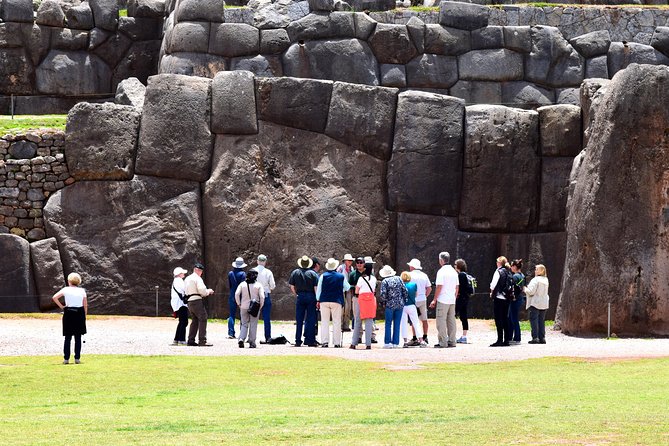
A 2 pm start is useful if you have just arrived in Cusco or are still adjusting to the altitude. You can take the morning slowly, eat before pickup, and avoid filling your first day with a demanding early departure.
The trade-off is light and time. The tour lasts into the late afternoon or early evening, depending on traffic, pickup timing, and how long the group spends at each stop. The published duration is approximate, so you should avoid booking another fixed activity immediately afterward.
Pickup is offered from the lobby or front door of your accommodation. The pickup window is 1 to 2 pm, not a single guaranteed minute, so keep your phone available and wait where the operator instructed you. You start from Plaza Regocijo and return there at the end.
Group size, guides, and the quality of the experience
The maximum of 15 people is a reasonable compromise between price and personal attention. You save money compared with a private tour, while the group remains small enough for questions if everyone stays engaged.
The strongest praise is directed at the guides. Ernesto is described as personable, flexible, and able to cover a great deal without making the visit feel rushed. Jonathan is praised for storytelling and an easy manner. Guido receives special credit for detailed explanations and patience when someone needed a break.
Justino and Rodrigo are also praised for organization, kindness, and strong knowledge of the sites. Paul Cano and Johan receive recognition for careful coordination and attentive service. These comments suggest that guide quality is a real strength of the operator, although your assigned guide may differ.
Some of the supplied comments concern longer Peru programs rather than this exact half-day route. Names such as Persi, Frank, and Johan appear in those wider experiences. I would not assume every named guide will lead your Cusco outing, but the repeated focus on patience, organization, safety, and clear explanations is encouraging.
The experience is offered in English. If you need another language, this tour does not list one. Most people can participate, but no detailed accessibility information is provided, so you should ask the operator directly if you have mobility concerns.
The real price: what you should budget
At $15.39 per person, the tour is inexpensive for a five to six-hour outing with transport, hotel pickup, a professional guide, and a first aid kit. The low price makes sense only when you remember that the main admission fees are separate.
Your listed entrance costs are:
- Partial archaeological tourist ticket: S/70
- Qorikancha: S/20
- Cusco Cathedral: S/40
That adds up to S/130 per person beyond the advertised tour price. Meals and tips are also excluded. The operator does not list food as part of the outing, so eat before pickup or carry something appropriate for the afternoon.
Even after adding admission, the package can offer good value if you want transport and explanations without arranging taxis to four separate sites. It is less attractive if you already have transport, prefer to visit only one or two ruins, or want enough time for detailed photography.
Who should book this tour?
I would choose this tour if you are visiting Cusco for the first time and want a guided overview in one afternoon. It suits people who value context, prefer not to arrange transport themselves, and like having a clear route through several major sites.
It is also a sensible choice for a short stay. You see the Cathedral and Qorikancha in town, then reach Sacsayhuaman, Q’enqo, Puka Pukara, and Tambomachay without spending a separate day on each area.
You may want another option if you dislike fixed schedules or need long, quiet visits at ruins. The 40-minute format is efficient, but it can feel short at Sacsayhuaman and Tambomachay. A private outing would likely give you more control, though at a higher cost.
Book at least a day ahead if your plans are firm. This experience is often reserved well in advance, with an average booking lead time of 98 days. Confirmation is provided at booking, and free cancellation is available until 24 hours before the start time. Cancellations or changes made within 24 hours are not accepted for a refund, and poor weather can lead to a new date or full refund.
Should you book the Cusco City Tour?
Yes, if you want an affordable first orientation to Cusco and prefer a guide to connect the sites. The combination of city churches, Inca temple stonework, huge Sacsayhuaman walls, ceremonial Q’enqo, road-linked Puka Pukara, and water-focused Tambomachay gives you a useful overview in a single afternoon.
Before booking, add S/130 per person for admissions, confirm the pickup location, and keep your schedule open after the tour. If those costs and the group format suit you, Inkayni Peru Tours offers a practical way to see the main sights around Cusco without paying for a private vehicle.
FAQ
How long does the Cusco City Tour last?
The tour lasts approximately five to six hours. Each of the six listed stops is scheduled for about 40 minutes.
What time does the tour start?
The stated start time is 2 pm. Pickup from accommodations takes place between 1 and 2 pm, depending on the location.
Where does the tour begin and end?
The listed starting point is Plaza Regocijo in Cusco. The activity ends back at the meeting point.
Is hotel pickup included?
Yes. Pickup is offered from the lobby or front door of your hotel, Airbnb, hostel, or similar accommodation. You must provide the accommodation location so the exact pickup range can be arranged.
Are entrance fees included in the tour price?
No. The partial archaeological tourist ticket costs S/70, Qorikancha costs S/20, and the Cathedral costs S/40 per person.
What sites are included?
The route includes Cusco Cathedral, Qorikancha, Sacsayhuaman, Q’enqo, Puka Pukara Archaeological Complex, and Tambomachay.
Is transportation included?
Yes. All transportation for the tour is included, as is pickup from your accommodation.
How many people can join the group?
The maximum group size is 15 people.
Can I cancel for a full refund?
Yes, if you cancel at least 24 hours before the experience start time. Cancellations or changes made less than 24 hours before the start are not accepted for a refund. If poor weather causes the operator to cancel, you are offered another date or a full refund.
Just added in Cusco
- Cusco Private Transportation for 2026★ 5.0 · 4 reviews
- Private Transfer from Airport to Hotel in the City of Cusco★ 4.0 · 5 reviews
- Best Cusco walking tour: dinner street food tasting★ 4.5 · 11 reviews
- Private Tour to Pisac Market and Pisac Ruins★ 5.0 · 4 reviews
- Machu Picchu Day Trip With Panoramic Train from Cusco★ 5.0 · 10 reviews
- Private Tour of the Mountain of Colours by Quad★ 5.0 · 7 reviews
- Sacred Valley Private Tour from Cusco, Guide and Driver only★ 5.0 · 4 reviews
- Sacred Valley of the Incas Tour★ 5.0 · 12 reviews
Cusco City Tours, compared.
Half-Day City Tour with Sacsayhuaman and Q’enco
Read our review →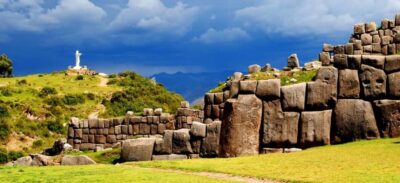
City Tour Cusco Qoricancha Sacsayhuaman y Tambomachay
Read our review →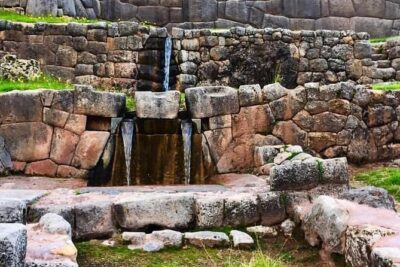
Cusco City Sightseeing, San Pedro Market, Cathedral and Qorikancha Temple
Read our review →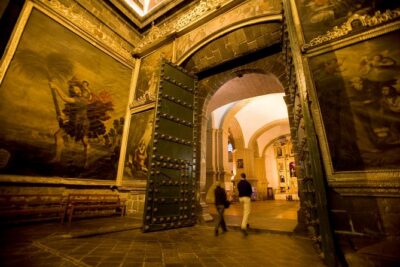
Cusco City Sightseeing and Sacsayhuaman Archeological Park Tour
Read our review →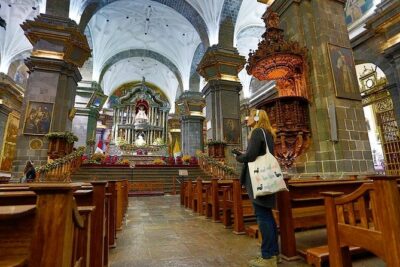
Cusco 4-Hour Private Tour Including Sacsayhuaman and Qenqo
Read our review →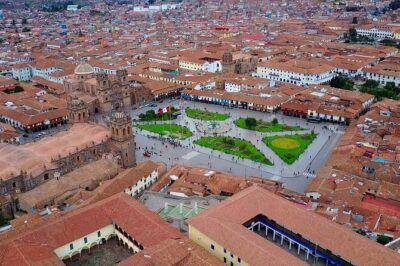
Browse the lists this tour appears in