
Reviewed · CUSCO CITY TOURS
Cusco City Tour Half Day – Visit Sacsayhuaman & Kenko
Cusco’s greatest stones sit above the city. I like this tour for its five major Inca and colonial sites and its small-group design, advertised for no more than 10 people. I also like the central-hotel pickup, which saves you from sorting out transport before breakfast. The main concern is organization: one reported outing became a much larger group, causing delays and long waits.
This is a useful first look at Cusco’s history, moving from the Spanish-built Santo Domingo complex to hilltop ruins and ceremonial waterworks. I especially value the chance to see Sacsayhuaman, Qenko, Puka Pukara, and Tambomachay in one outing, though you should confirm the exact duration because the published timing is inconsistent.
At $35.50 per person, the tour offers good value if your priority is transport and a bilingual guide. You will still pay entrance fees, and rain, site closures, or a slow group can change the rhythm of the day.
In This Review
- Key points before you book
- Why this tour works as a first day in Cusco
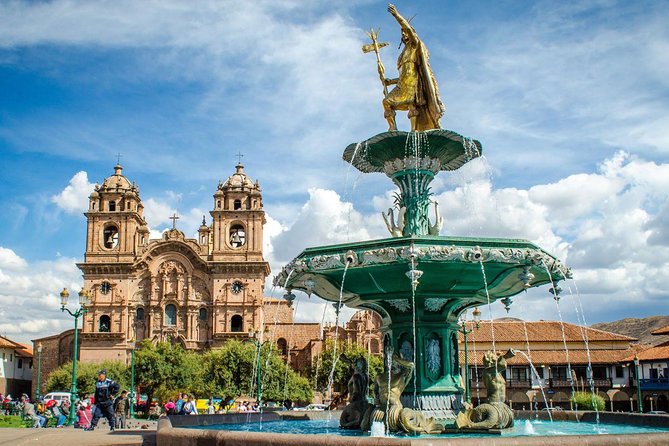
- Qorikancha: gold, stone, and Santo Domingo
- Sacsayhuaman: Cusco’s great stonework
- Qenko: a mysterious carved monolith
- Puka Pukara: an Inca stop on the road
- Tambomachay: water at high altitude
- What the $35.50 price really covers
- Weather, closures, and keeping the day flexible
- Who will get the most from this outing
- Should you book the Cusco City Tour?
- FAQ
- How much does the tour cost?
- How long does the tour last?
- Which sites are included?
- Are entrance fees included?
- Is hotel pickup included?
- How large is the group?
- Is the guide bilingual?
- Can the tour be canceled because of weather?
- What is the cancellation deadline?
Key points before you book
- Five important stops in one half-day: Qorikancha, Sacsayhuaman, Qenko, Puka Pukara, and Tambomachay give you a broad introduction to Cusco.
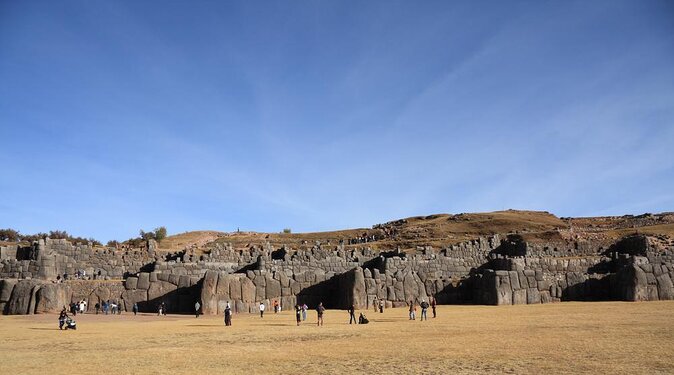
- Sacsayhuaman is the star attraction: Giant zigzag walls and wide views over Cusco make this the most memorable stop.
- The advertised group limit is 10 people: This should allow better access to the guide, but confirm the group size because one outing was combined with a larger party.
- Tickets cost extra: Qorikancha charges $4, while the other archaeological sites require a ticket costing 70 soles for two days or 130 soles for 10 days.
- Expect high-altitude walking: Tambomachay sits at about 12,150 feet, so take the hills slowly and keep your schedule light afterward.
- Weather matters: Poor weather can cancel the tour, with a different date or full refund offered.
Why this tour works as a first day in Cusco
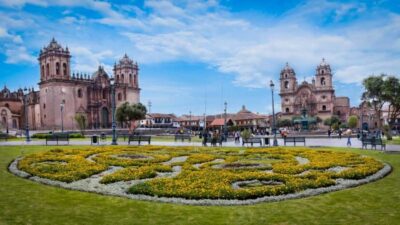
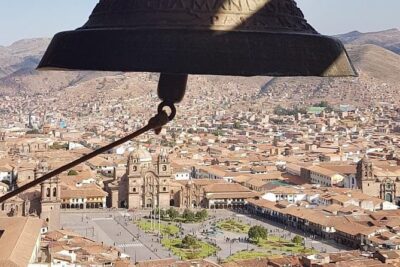
Cusco can feel like three cities layered together: an Inca capital, a Spanish colonial center, and a modern Andean city. This tour gives you a quick way to see all three connections without arranging separate taxis or trying to understand the local ticket system on your own.
I like the order of the stops. You begin at Qorikancha in the city, then move uphill to the large archaeological sites north of Cusco. The progression helps you understand how the Incas built a powerful capital and how the Spanish reused parts of it after the conquest.
The bilingual guide is important here. The ruins are impressive on their own, but the meaning of a zigzag wall, a carved channel, or an oddly shaped doorway is not always obvious. A guide can connect the stones to Inca religion, engineering, military power, and the road system that once crossed the Andes.
The tour is described as a half-day experience, but the listed stop times add up to more than four hours before driving between sites. Another part of the published information gives a duration of only 4 to 30 minutes, which does not match the itinerary. I would confirm the actual pickup and return times before booking anything else that day.
More Cusco city tours:
- Cusco: Half-Day City Tour with Sacsayhuaman and Q’enco
★ 4.6 · 1,129 reviews - City Tour Cusco Qoricancha Sacsayhuaman y Tambomachay
★ 4.7 · 617 reviews - Cusco City Tour Four Ruins in Half-Day
★ 5.0 · 530 reviews
Qorikancha: gold, stone, and Santo Domingo
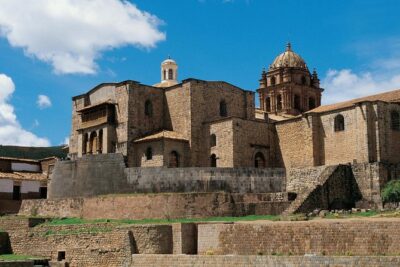
Qorikancha, also spelled Coricancha, was once the Inca Temple of the Sun. Its earlier names, Intikancha and Intiwasi, point to its dedication to Inti, the sun god and one of the central powers of Inca religion.
The temple was rebuilt and expanded under Pachacuti Inca Yupanqui, who transformed Cusco into an imperial capital. Accounts describe walls covered in gold sheets, golden vessels, sacred objects, and royal mummies dressed with masks and ornaments. Much of that wealth disappeared during the Spanish conquest, including gold used to meet the ransom demanded for Atahualpa.
What remains is most striking in the stonework. The Incas used carefully cut ashlar masonry, with blocks selected for their regular shape and fitted tightly together. This was not just a technical choice. The labor required showed the ruler’s ability to organize workers across a large empire.
The Spanish built the Church and Convent of Santo Domingo on the site, using the Inca foundations. Earthquakes badly damaged the colonial structure, while the older Inca walls remained intact. That contrast gives you a practical lesson in the strength of Inca construction without needing a long lecture.
Allow about 45 minutes here. The entrance ticket is not included and costs $4, or 15 Peruvian soles. An underground archaeological museum nearby contains mummies, textiles, and sacred idols, adding useful context if access is included during your visit.
Sacsayhuaman: Cusco’s great stonework
Sacsayhuaman is the emotional high point of the outing. The name is usually translated from Quechua as place where the hawk is satiated, perhaps linked to the birds found in the area.
The Spanish called it a fortress because of its military appearance, but the complex may also have served ceremonial purposes. Its buildings included towers, shrines, residences, storehouses, roads, and water channels. That mixture makes it risky to reduce the site to a simple military outpost.
The main zigzag wall is the reason you come. Some stones reach about 5 meters high and 2.5 meters wide, with estimated weights between 90 and 125 tons. The blocks fit together without mortar, and their irregular shapes help lock them into place.
I would pay close attention to the wall joints rather than only taking the standard wide photograph. The skill is easier to appreciate when you look at the tiny gaps and changing angles between the stones. The scale also makes more sense when your guide explains the labor and planning required to move such blocks.
The site occupies a high position above Cusco, giving you broad views toward Ausangate, Pachatusán, and Cinca. These mountain summits held sacred meaning for the Incas, so the view is part of the site’s importance, not just a pleasant extra.
Plan on about an hour here. The entrance is not covered by the tour price, so make sure you have the correct archaeological-site ticket. If you are still adjusting to Cusco’s altitude, this stop may feel more demanding than the clock suggests.
Qenko: a mysterious carved monolith
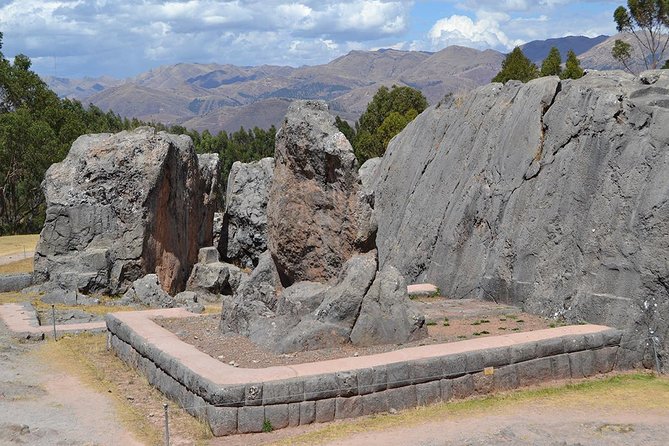
Qenko, also written Q’enqo, is a short distance from Cusco and has a very different mood from Sacsayhuaman. Instead of massive freestanding walls, the site is carved into a huge natural rock.
The name means labyrinth or zigzag in Quechua, referring to a crooked channel cut into the stone. Researchers know that some liquid once moved through the channel, but its purpose remains uncertain. It may have carried water, chicha made from corn, or blood used in a ritual setting.
That uncertainty is worth preserving. You may hear theories about embalming, sacrifice, or testing a person’s moral life by the way the liquid flowed, but none should be presented as settled fact. The site’s mystery is part of its appeal.
Qenko also includes tunnels, natural chambers, and a room with 19 small niches arranged like an amphitheater. The area may have been used for ceremonies honoring the sun, moon, and stars. I find this stop valuable because it shows how much of Inca religious practice was lost when the empire was destroyed.
Allow about an hour. Watch your footing around the carved rock and enclosed spaces. If you prefer ruins with clearly explained functions, Qenko may feel less satisfying than Sacsayhuaman, but a good bilingual guide can make the competing ideas interesting rather than confusing.
More city tours in Cusco:
- Cusco: Sightseeing Tour of the City on an Open-Top Bus
★ 4.0 · 481 reviews - Open Bus Cusco City Tour
★ 4.5 · 219 reviews - Cusco: City Tour | Half-Day Tour to 4 Archaeological Sites
★ 4.6 · 206 reviews - City Tour in Cusco & visit Museum South American Camelid Private.
★ 5.0 · 147 reviews
Puka Pukara: an Inca stop on the road
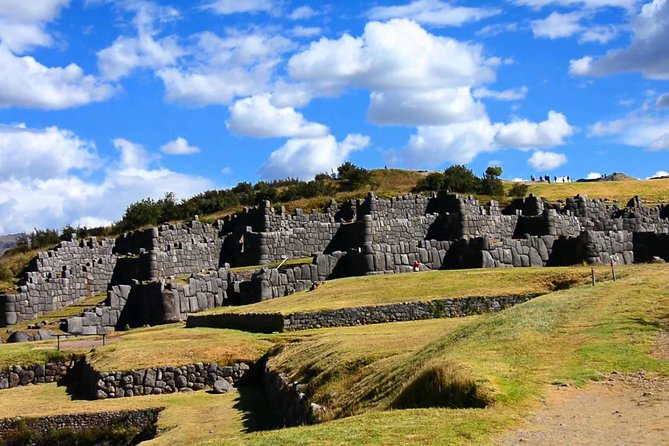
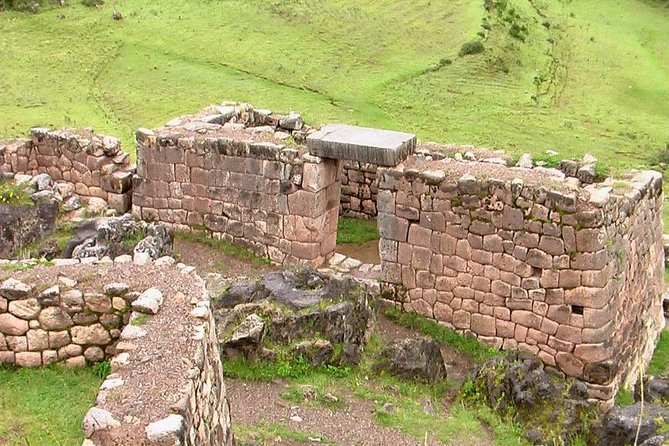
Puka Pukara means red fortress, a name connected with the reddish earth and the site’s position. Its construction is less polished than the finely fitted walls at Qorikancha or Sacsayhuaman, but that does not make it unimportant.
The complex contains inner squares, canals, aqueducts, baths, rooms, platforms, and an old road linked with the Qhapaq Ñan, the vast Inca road network. Three irregular walls create different levels, and the builders worked around existing rocks instead of cutting a perfectly regular plan.
Chroniclers describe Puka Pukara as a stopping point for the Inca’s entourage. Soldiers and dancers may have waited here while the ruler visited the baths at Tambomachay. In that role, the site worked as both a barracks and a tambo, or roadside hostel.
You may find this stop more about setting and layout than spectacular masonry. Look for the functional design: rooms arranged around uneven stone, raised areas, and routes that helped people move through the complex. A guide’s explanation is especially useful here because the remains can look spare at first glance.
The planned visit lasts about an hour, and the entrance fee is separate. Puka Pukara is also connected to a reported tunnel leading toward Tambomachay, though the available information does not establish that the tunnel can be visited or used today.
Tambomachay: water at high altitude
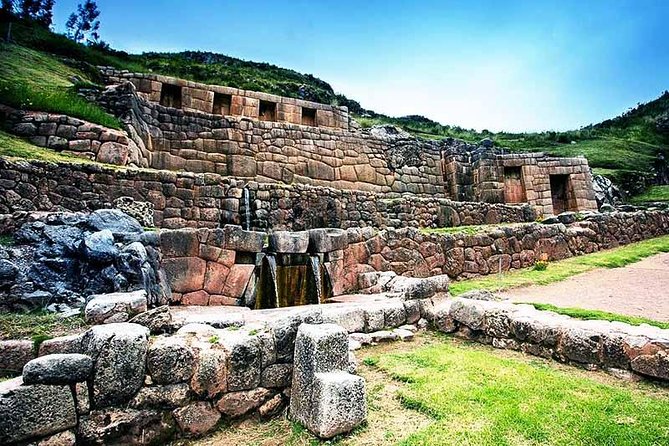
Tambomachay is often called the Bath of the Inca. It sits about four miles north of Cusco at roughly 12,150 feet, or 3,700 meters, making it the highest and potentially most physically demanding stop on the route.
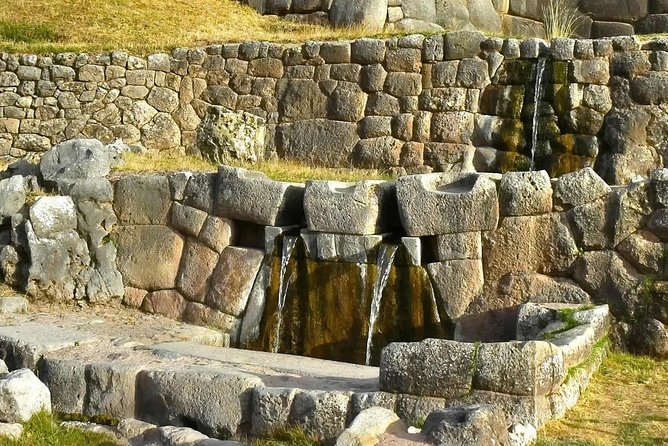
The site is built around a natural spring. Water runs through small aqueducts, channels, and waterfalls set into three stepped terraces. The stonework is precise, with trapezoidal niches built into some retaining walls.
Nobody can say with certainty what Tambomachay was for. It may have been a ceremonial site, a royal bathing place, a military position, or a combination of these uses. Its quiet setting and controlled water flow support the idea of an Inca spa, but the wider arrangement suggests that religious and practical purposes also mattered.
I would save some energy for this stop. You do not need to rush, and high altitude can make even a short walk feel harder than expected. The visit is scheduled for about 45 minutes, enough time to see the terraces and listen to the explanation without turning it into a strenuous hike.
What the $35.50 price really covers
The $35.50 price includes transportation and a bilingual guide, plus pickup from central Cusco hotels. That is a fair arrangement for a half-day route covering several sites outside the center, especially if you do not want to negotiate several taxis.
The price does not include admission. Qorikancha is $4, or 15 soles, and the archaeological sites require an additional ticket priced at 70 soles for two days or 130 soles for 10 days. The two-day option makes sense if this is your first visit and you plan to see the same circuit soon. The 10-day ticket is better if you are staying longer and visiting more sites.
The value depends on what you want from the day. If you want a guide to explain Inca history and a vehicle to connect the sites, the cost is attractive. If you only want to visit one ruin slowly, a separate visit may suit you better.
The advertised maximum of 10 people is a real benefit. Smaller groups make it easier to hear the guide, ask questions, and keep to meeting times. However, one outing was combined with a much larger group, and the resulting delays caused frustration. I would confirm the group size and language arrangement shortly before departure.
Weather, closures, and keeping the day flexible
Cusco’s weather can change quickly, and rain affected one outing enough to leave the group soaked. Bring rain protection even when the morning looks clear. Poor weather can also lead to cancellation, in which case you should be offered another date or a full refund.
Site closures are another practical risk. One stop was closed because filming for the Transformers movie had restricted access. That kind of closure is outside the operator’s control, but you should know that the planned route is not guaranteed in every detail.
The cancellation terms are simple: cancel at least 24 hours before the start time for a full refund. Changes or cancellations inside 24 hours are not refunded, and the cutoff follows local time.
Who will get the most from this outing
I would choose this tour if you are newly arrived in Cusco and want an efficient introduction before deciding which sites deserve more time. It suits anyone who values historical explanation, hotel pickup, and a single organized route.
It is also a good fit for people who want to see more than the city center. Sacsayhuaman and the other hilltop sites show how the Inca capital extended beyond its central streets.
You may want another plan if you dislike fixed schedules or need long, quiet visits at each ruin. The route covers five stops, so the experience is about range rather than slow study. It may also disappoint if the promised small group becomes a large mixed-language party.
Most people can participate, and the tour is near public transportation, but the high elevation and uneven archaeological sites still call for sensible pacing. I would wear shoes with good grip, carry water, and avoid scheduling a hard hike immediately afterward.
Should you book the Cusco City Tour?
I would book it for the route, transport, and Sacsayhuaman, especially at $35.50 before admission fees. Qorikancha gives you the clearest link between Inca and Spanish Cusco, while Qenko, Puka Pukara, and Tambomachay add variety and show that the capital was more than a central plaza.
Before paying, confirm three things: the actual tour length, the size of your group, and the language balance. If those details match the advertised plan, this is a practical and fairly priced first look at Cusco’s major ruins. If the operator cannot confirm them, consider booking only when your schedule can absorb delays.
FAQ
How much does the tour cost?
The tour costs $35.50 per person. Transportation and a bilingual guide are included, but entrance fees are separate.
How long does the tour last?
It is sold as a half-day tour, and the listed stop times total more than four hours before travel between sites. Another published duration says 4 to 30 minutes, so you should confirm the actual schedule before booking.
Which sites are included?
The route includes Qorikancha, Sacsayhuaman, Qenko, Puka Pukara, and Tambomachay.
Are entrance fees included?
No. Qorikancha costs $4, or 15 soles. Entrance to the other archaeological sites costs 70 soles for two days or 130 soles for 10 days.
Is hotel pickup included?
Yes. Pickup is available from central Cusco hotels.
How large is the group?
The tour has a stated maximum of 10 people. Because one reported departure was combined with a larger group, confirm the group size before the tour.
Is the guide bilingual?
Yes. A bilingual guide is included in the tour price.
Can the tour be canceled because of weather?
Yes. The experience requires good weather. If poor weather causes cancellation, you should be offered another date or a full refund.
What is the cancellation deadline?
You can receive a full refund if you cancel at least 24 hours before the start time. Cancellations or changes made less than 24 hours before the tour are not refunded.
Just added in Cusco
- Cusco Private Transportation for 2026★ 5.0 · 4 reviews
- Private Transfer from Airport to Hotel in the City of Cusco★ 4.0 · 5 reviews
- Best Cusco walking tour: dinner street food tasting★ 4.5 · 11 reviews
- Private Tour to Pisac Market and Pisac Ruins★ 5.0 · 4 reviews
- Machu Picchu Day Trip With Panoramic Train from Cusco★ 5.0 · 10 reviews
- Sacred Valley Private Tour from Cusco, Guide and Driver only★ 5.0 · 4 reviews
- Sacred Valley of the Incas Tour★ 5.0 · 12 reviews
- Private Tour of the Mountain of Colours by Quad★ 5.0 · 7 reviews
Cusco City Tours, compared.
Half-Day City Tour with Sacsayhuaman and Q’enco
Read our review →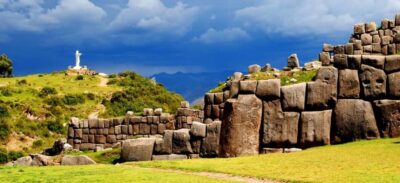
City Tour Cusco Qoricancha Sacsayhuaman y Tambomachay
Read our review →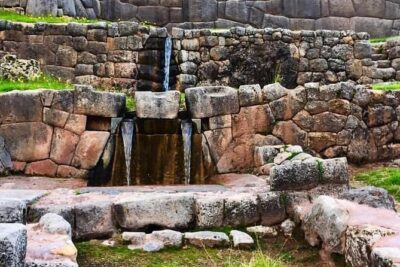
Cusco City Sightseeing, San Pedro Market, Cathedral and Qorikancha Temple
Read our review →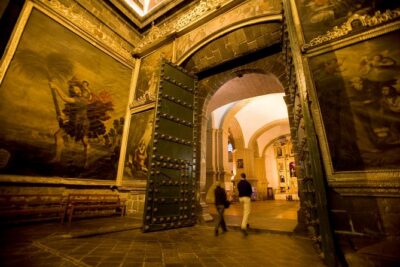
Cusco City Sightseeing and Sacsayhuaman Archeological Park Tour
Read our review →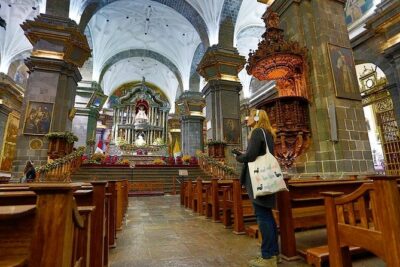
Cusco 4-Hour Private Tour Including Sacsayhuaman and Qenqo
Read our review →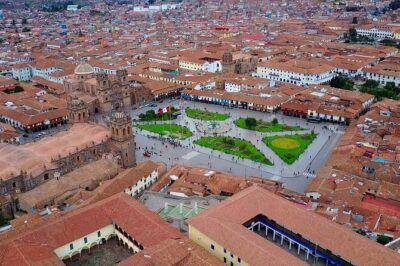
Browse the lists this tour appears in