
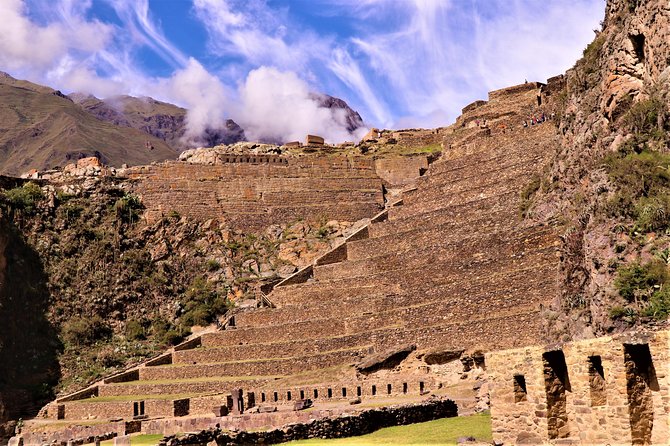
Reviewed · CUSCO CITY TOURS
Cusco City Tour with Sacsayhuaman & Inca Sites – Small Group
Cusco reveals itself one stone at a time. This half-day outing gives you a useful first look at the city, beginning in the Plaza de Armas and then moving uphill to Sacsayhuaman, Qenqo, Puka Pukara, and Tambomachay. I like the small-group format, limited to 16 people, and the way a guide connects colonial Cusco with the Inca city beneath it. The $98 price also covers the main site admissions and pickup within the historic center.
The route is compact but full. You get Coricancha, the Inca Empire’s most important temple, plus four major archaeological sites outside central Cusco. The main drawback is that the cathedral is not included, despite being part of the opening city walk. You also need moderate fitness for uneven ground, stone paths, steps, and Cusco’s high altitude.
In This Review
- Key things to know before booking
- Why this route works well in half a day
- Plaza de Armas: where two Cuscos meet
- Coricancha: the clearest lesson in Inca and Spanish power
- Sacsayhuaman: the main event above Cusco
- Qenqo: a mysterious place carved from rock
- Puka Pukara: a small checkpoint with a wide view
- Tambomachay: water, stone, and a quieter finish
- What $98 includes, and what it does not
- Timing, fitness, and guide quality
- Who should book this Cusco city tour?
- Should you book it?
- FAQ
- What time does the tour start?
- How long does the tour last?
- Where does the tour begin?
- Where does the tour end?
- Is hotel pickup included?
- What admissions are included?
- Is the cathedral included?
- How large is the group?
- Can I cancel for a full refund?
Key things to know before booking
- The afternoon departure begins at 1:00 pm, making this easy to pair with a quiet morning in Cusco.
- Sacsayhuaman is the grandest stop, with huge zigzag walls and wide views over the city.
- Coricancha gives you the clearest Inca-colonial comparison, with Santo Domingo built over the earlier temple foundations.
- The four hillside sites follow a practical route, covering military, ceremonial, water, and defensive functions.
- Your group can include up to 16 people, small enough for questions but not quite a private tour.
- Hotel pickup and drop-off apply within Cusco’s Historic Center, while the stated meeting point is the Plaza de Armas.
Why this route works well in half a day
Cusco has enough stone lanes, churches, ruins, and steep streets to overwhelm you quickly. This tour solves one practical problem: you do not have to work out which sites belong together or arrange separate transport to the hills.
The city portion starts in the Plaza de Armas. From there, you walk through central streets before boarding a vehicle for the outer sites. That split is smart. The historic center is best seen on foot, while the four sites above Cusco are far easier to handle by vehicle.
The full experience lasts about four to five hours. That is enough time to see the main points without turning the day into a long archaeological march. Each listed stop receives about 30 minutes, so you should expect an overview rather than a slow, solitary exploration.
A small group makes a real difference here. With a maximum of 16 people, your guide can usually explain the stones, answer questions, and keep the group moving without the impersonal feel of a large coach tour. It is not private, but it should feel more personal than a mass outing.
More Cusco city tours:
- Cusco: Half-Day City Tour with Sacsayhuaman and Q’enco
★ 4.6 · 1,129 reviews - City Tour Cusco Qoricancha Sacsayhuaman y Tambomachay
★ 4.7 · 617 reviews - Cusco City Tour Four Ruins in Half-Day
★ 5.0 · 530 reviews
Plaza de Armas: where two Cuscos meet
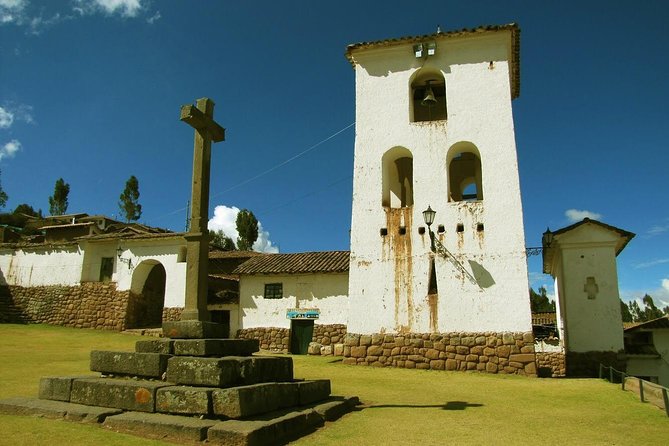
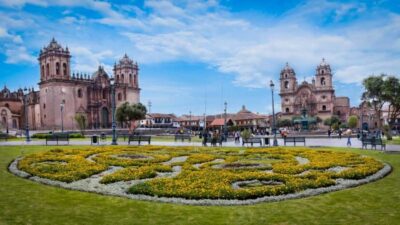
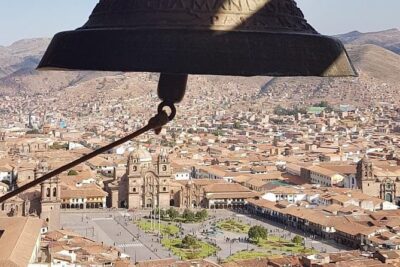
The Plaza de Armas is the right place to begin. It was once the main ceremonial center of the Inca capital, and Spanish colonial buildings now frame the same central space. Your guide points out the important buildings around the square and explains how the city changed after the conquest.
This opening stop helps you read Cusco properly. The city is not simply an old Spanish town with a few ruins nearby. Inca foundations, walls, and street lines remain part of the colonial center, often hidden in plain sight.
You then walk to the famous 12 Angled Stone. Its carefully fitted edges show the precision of Inca masonry, where stones were shaped to lock together without mortar. The stone is a brief stop, but it gives you a close-up example of the building skill you will see on a much larger scale at Sacsayhuaman.
Loreto Street adds another useful layer. Original Inca walls line both sides, giving you a strong sense of the old street plan. Look closely at the lower courses of stone as you walk. The point is not just to photograph the wall, but to notice how tightly the blocks fit and how the older construction survives beneath the later city.
The walk is short, listed at about 30 minutes. You will not have time for a full tour of every building around the plaza. Also note that cathedral admission and a cathedral visit are not included, so you will need a separate plan if the interior is important to you.
Coricancha: the clearest lesson in Inca and Spanish power
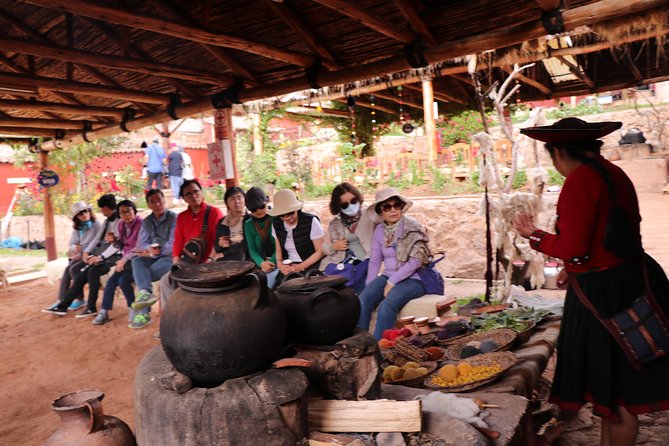
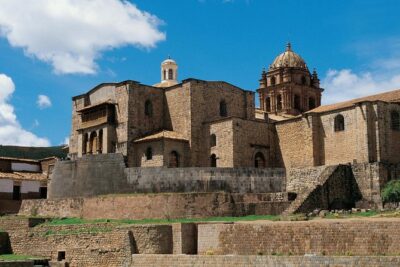
Coricancha was dedicated to the Sun and served as the most important temple in the Inca Empire. The Spanish later built the Santo Domingo convent directly over the original foundations, creating one of Cusco’s most striking architectural contrasts.
Inside, you can compare the smooth, tightly joined Inca masonry with the colonial structure above it. This is one of the most valuable stops because the history is visible in the walls rather than explained only through dates and names.
The temple was once covered in gold and used for ceremonies, worship, and astronomical purposes. Your guide helps put those functions together, showing why Coricancha mattered far beyond being a beautiful building.
Admission is included, which strengthens the value of the tour. You have about 30 minutes here, enough for the principal explanation and a look at the surviving foundations, but not a long independent visit.
I would pay close attention to the construction itself. The different styles are easy to spot, and Coricancha offers a useful introduction before you encounter the massive stonework at Sacsayhuaman. If your interest is mainly colonial churches, the separate cathedral visit may matter more. If you want to understand how Spanish Cusco was built over Inca Cusco, Coricancha is essential.
Sacsayhuaman: the main event above Cusco
The vehicle ride to Sacsayhuaman changes the scale of the outing. In the center, you study individual stones and walls. Here, the site spreads across the hills above the city, with enormous zigzag walls built from blocks that fit together with remarkable precision.
Sacsayhuaman is often described as a fortress, though its role also included ceremonies and public events. Your guide explains the battles and rituals connected with the site, as well as its continuing role during Inti Raymi, the important festival honoring the Sun.
The stone walls are the obvious highlight. Some blocks are so large that the engineering remains difficult to grasp even when you are standing beside them. Look at the joints rather than only the size of the stones. The tight fits and irregular shapes helped create strong walls without the familiar appearance of regular brickwork.
This is also the best viewpoint on the route. You get broad views over Cusco and toward the surrounding mountains. Bring a camera, but give yourself a moment to look away from the lens. The setting explains why this site had such power over the city below.
The stop lasts about 30 minutes, so the visit is necessarily selective. You may want more time for photographs or a longer walk, but the short schedule lets the tour cover three additional sites. The site can also feel demanding if you have not adjusted to Cusco’s altitude. Walk slowly, drink water, and do not treat the uphill setting like an ordinary city park.
More city tours in Cusco:
- Cusco: Sightseeing Tour of the City on an Open-Top Bus
★ 4.0 · 481 reviews - Open Bus Cusco City Tour
★ 4.5 · 219 reviews - Cusco: City Tour | Half-Day Tour to 4 Archaeological Sites
★ 4.6 · 206 reviews - City Tour in Cusco & visit Museum South American Camelid Private.
★ 5.0 · 147 reviews
Qenqo: a mysterious place carved from rock
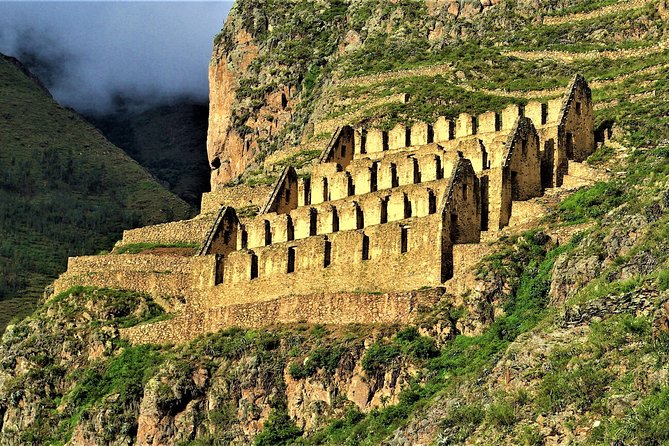
Qenqo is smaller and stranger than Sacsayhuaman. Much of the ceremonial center was carved directly from natural rock, creating passages, channels, and hidden spaces that feel intimate after the open walls above Cusco.
The name Qenqo means zigzag in Quechua, a fitting description of the site’s winding forms. You will see carved surfaces and spaces thought to have played a role in rituals, though the exact purpose remains uncertain.
That uncertainty is part of the appeal. A good guide should explain the leading interpretations without presenting every theory as proven fact. Here, the value lies in seeing how the Incas shaped a natural rock formation for ceremonial use and in considering the spiritual meaning of caves, channels, and enclosed spaces.
The half-hour stop gives you a focused introduction. Passageways may require careful footing, and the site is not a place to rush through while trying to keep up with a group. Stay close enough to hear the explanation, then use the remaining time for a careful look at the carvings.
Puka Pukara: a small checkpoint with a wide view
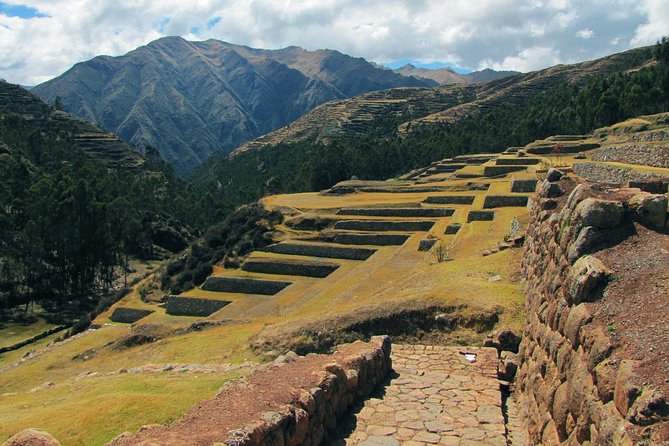
Puka Pukara means Red Fortress in Quechua. Compared with Sacsayhuaman, it is modest, but its location helps explain its purpose. The site likely served as a military checkpoint and resting place along the road linking Cusco with the Sacred Valley and the jungle.
From its terraces and stone walls, you can picture messengers, guards, and other people moving along the Inca road system. Your guide points out the walls, rooms, and lookout areas, turning what might otherwise seem like a small pile of old stones into part of a much larger network.
Puka Pukara is a good reminder that Inca construction was not limited to temples and grand fortresses. Roads, checkpoints, storage areas, and resting places allowed the empire to function across difficult terrain.
The stop is listed at 30 minutes, with no separate admission charge noted for this site. The open setting makes it a pleasant place for views and photographs. It may feel less impressive if you are judging each ruin only by size, but its strategic location gives it real interest.
Tambomachay: water, stone, and a quieter finish
Tambomachay closes the archaeological portion on a calmer note. The site is known for clear water fountains, channels, and finely built stonework. It is often called the Inca Baths and may have served as a place of rest and water worship for Inca nobility.
The fountains remain the focus. Aqueducts and canals still carry water through the site, offering a direct look at Inca water engineering. After the huge walls at Sacsayhuaman and the mystery of Qenqo, Tambomachay feels more delicate and peaceful.
Your guide explains the theories about its use while helping you notice the relationship between water, ritual, and power. The Incas did not treat water as a mere utility. At Tambomachay, its movement through carefully shaped stone appears to have carried religious meaning as well as practical value.
This is a rewarding final stop because it gives the route some variety. You are not seeing six versions of the same ruin. You move from a ceremonial city center to a Sun temple, a major fortress, a carved ritual site, a checkpoint, and a water sanctuary.
What $98 includes, and what it does not
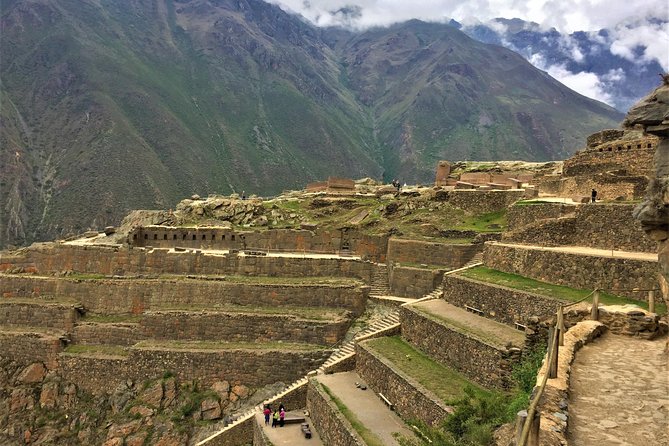
At $98 per person, the tour is priced above a simple walking tour, but it includes several costs and services that add up quickly. You receive a professional guide, transport between the city and hillside sites, hotel pickup and drop-off within the Historic Center, entry to Coricancha, and the Partial Tourist Ticket for Sacsayhuaman, Qenqo, Puka Pukara, and Tambomachay.
That makes the price reasonable if you value structure and convenience. You do not need to arrange a separate vehicle, find each entrance, or study the site layout before setting out. The guide also adds value by explaining how the stops connect, rather than leaving you with a collection of disconnected ruins.
The cathedral is not included, and meals and snacks are also excluded. Travel insurance is not included either. Since the outing lasts only four to five hours and begins in the afternoon, food is usually a matter of planning your day around the start time rather than expecting a meal during the tour.
The best value comes if you want a broad first introduction to Cusco. If you prefer long visits, quiet photography, or detailed archaeological study, the fixed 30-minute stops may feel brief for the price.
Timing, fitness, and guide quality
The listed start time is 1:00 pm at the Plaza de Armas, and the activity returns to that meeting point. The overview also indicates morning or afternoon departure choices, so check the exact option available when booking. The afternoon schedule works well if you want a slow morning, need time for breakfast and altitude adjustment, or have another central Cusco activity earlier in the day.
The route requires moderate physical fitness. Expect walking on uneven stone surfaces and time outdoors at elevated sites. Even if the distances seem short, altitude can make a simple set of steps feel harder than expected. Wear supportive shoes and keep your pace steady.
Guide quality is central to this experience. The strongest guides associated with TreXperience include Katia, Jennifer, Roger, Leo, and Frank, all praised for clear explanations, good storytelling, patience, and care when someone in a group felt unwell. You should not assume a specific guide will lead your departure, but the company’s guide team has shown a strong focus on Inca history, Quechua culture, and practical support.
A guide who can explain uncertainty at Qenqo, engineering at Coricancha, and the ceremonial role of Tambomachay will make this route far more useful than a simple transport service. Ask questions. The small group gives you a better chance to do so.
Who should book this Cusco city tour?
I would choose this outing if you are visiting Cusco for the first time and want the major Inca sites covered in one organized afternoon. It also suits you if you have limited time, prefer not to negotiate local transport, or want a guide to provide the historical framework.
Families can benefit from the short stops and vehicle connections, though children still need to manage uneven ground and altitude. The outing also works well before a longer Sacred Valley visit or an Inca Trail itinerary because it introduces key ideas without using an entire day.
You may want another option if you need a private pace, have limited mobility, want to enter the cathedral, or prefer spending an hour or more at each archaeological site. The maximum group size of 16 is manageable, but it cannot offer the flexibility of a private guide.
Free cancellation is available if you cancel at least 24 hours before the local start time. Changes or cancellations made within 24 hours are not accepted for a refund.
Should you book it?
Book this Cusco City Tour with Sacsayhuaman if you want maximum coverage in four to five hours and value a guide who can connect the city’s Inca and Spanish layers. Coricancha and Sacsayhuaman are the strongest reasons to go, while Qenqo, Puka Pukara, and Tambomachay round out the picture with smaller but meaningful sites.
I would skip it only if you want a slow, private visit or need the cathedral included. For most first-time visitors, the combination of included admissions, central pickup, small-group guidance, and four major hillside sites makes $98 a fair price for a well-planned introduction to Cusco.
FAQ
What time does the tour start?
The stated meeting time is 1:00 pm at the Plaza de Armas in Cusco. The tour overview also indicates that morning or afternoon departures may be available, so confirm the exact departure option at booking.
How long does the tour last?
The experience lasts approximately four to five hours.
Where does the tour begin?
It begins at the Plaza de Armas, Cusco 08000, Peru.
Where does the tour end?
The activity ends back at the meeting point in the Plaza de Armas.
Is hotel pickup included?
Yes. Hotel pickup and drop-off are included for hotels located within Cusco’s Historic Center.
What admissions are included?
Admission to Coricancha is included. The Partial Tourist Ticket for Circuit I covers Sacsayhuaman, Qenqo, Puka Pukara, and Tambomachay.
Is the cathedral included?
No. Cathedral entrance and the cathedral visit are not included.
How large is the group?
The group can include a maximum of 16 people.
Can I cancel for a full refund?
Yes, if you cancel at least 24 hours before the experience’s start time. Cancellations or changes made less than 24 hours in advance are not accepted for a refund.
Just added in Cusco
- Cusco Private Transportation for 2026★ 5.0 · 4 reviews
- Private Transfer from Airport to Hotel in the City of Cusco★ 4.0 · 5 reviews
- Best Cusco walking tour: dinner street food tasting★ 4.5 · 11 reviews
- Private Tour to Pisac Market and Pisac Ruins★ 5.0 · 4 reviews
- Machu Picchu Day Trip With Panoramic Train from Cusco★ 5.0 · 10 reviews
- Private Tour of the Mountain of Colours by Quad★ 5.0 · 7 reviews
- Sacred Valley Private Tour from Cusco, Guide and Driver only★ 5.0 · 4 reviews
- Sacred Valley of the Incas Tour★ 5.0 · 12 reviews
Cusco City Tours, compared.
Half-Day City Tour with Sacsayhuaman and Q’enco
Read our review →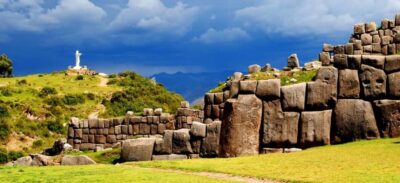
City Tour Cusco Qoricancha Sacsayhuaman y Tambomachay
Read our review →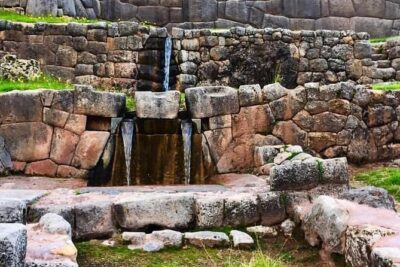
Cusco City Sightseeing, San Pedro Market, Cathedral and Qorikancha Temple
Read our review →
Cusco City Sightseeing and Sacsayhuaman Archeological Park Tour
Read our review →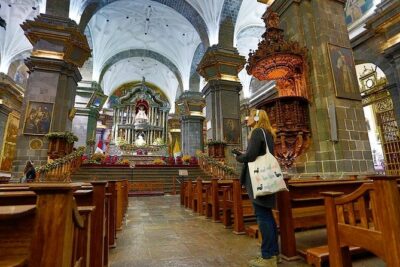
Cusco 4-Hour Private Tour Including Sacsayhuaman and Qenqo
Read our review →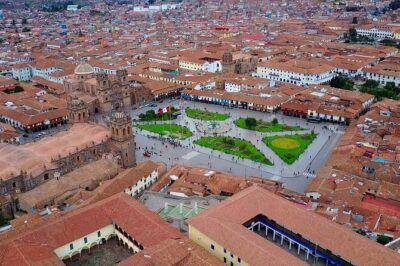
Browse the lists this tour appears in