
Reviewed · CUSCO CITY TOURS
Cusco : Half-Day Explore Inca Ruins qoricancha sacsayhuaman
Four Inca sites, one busy morning. This Cusco tour packs Qoricancha, Sacsaywaman, Qenqo, Puca Pucara, and Tambomachay into five hours. I like the very low $15 price and the bilingual guide and included transport, which make this a practical first look at Cusco’s major ruins. The main drawback is the pace: you get a useful introduction, but not much time for quiet exploration at each stop.
The tour leaves from the fountain in Cusco’s Plaza de Armas at 8:45 am and returns near the same square. You need to bring 90 soles in cash for the archaeological entry ticket, which is not included. I would also take altitude seriously. One direct review advises against booking before you have adjusted to Cusco’s height, which is higher than Machu Picchu.
In This Review
- Five useful things to know before booking
- What This Cusco Morning Tour Really Offers
- Starting at Cusco’s Plaza de Armas
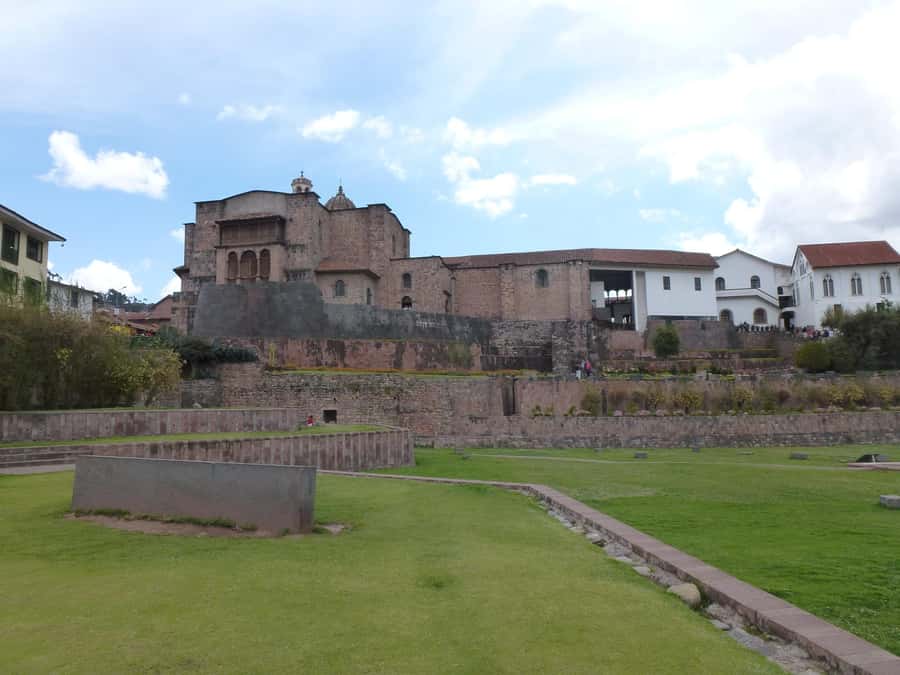
- Qoricancha: The Inca Temple Beneath Colonial Cusco
- Sacsaywaman: Massive Stonework Above Cusco
- Qenqo’s Rock-Cut Ceremonial Spaces
- Puca Pucara, a Short Stop with Wide Views
- Tambomachay and the Meaning of Water
- The $15 Price and the Extra 90 Soles
- Altitude, Language, and Physical Comfort
- Who Will Get the Most from This Tour?
- Should You Book the Cusco Ruins Tour?
- FAQ
- Where does the tour begin?
- Where does the tour finish?
- How long does the tour last?
- Which sites are included?
- Is the archaeological entry ticket included?
- Is transport included?
- What languages does the guide speak?
- Can I cancel the tour for a refund?
Five useful things to know before booking
- Five major stops in five hours: Qoricancha, Sacsaywaman, Qenqo, Puca Pucara, and Tambomachay provide a broad introduction to Inca Cusco.
- The $15 price covers the ride and guide: The archaeological ticket costs an additional 90 soles in cash.
- The meeting point is easy to find: Wait by the fountain in the center of the Plaza de Armas at 8:45 am.
- English and Spanish are offered: The guide may divide attention between both languages, with more Spanish at times.
- Altitude matters: Cusco sits higher than Machu Picchu, so give yourself time to adjust before joining a five-hour outing.
What This Cusco Morning Tour Really Offers
I would think of this as an orientation tour, not a slow archaeological study. In a single morning, you see the religious center of Qoricancha, the great stone walls of Sacsaywaman, and three smaller sites on the hills above Cusco.
That range is the biggest value. You can learn how the Inca used sacred temples, ceremonial spaces, defensive-looking walls, roads, water channels, and hillside waypoints. The stops do not all have the same visual impact, but together they help you understand that Cusco was more than a city with one famous ruin.
Transport is included between sites, a real help because the route moves outside the central square and up into the surrounding hills. The ride also keeps the tour within five hours. Without transport, fitting all five locations into one morning would be difficult.
The tradeoff is time. The scheduled visits range from 20 to 40 minutes, so you will hear the main explanation, take photographs, and move on. If you want to study stonework or sit quietly at each site, you will find the schedule tight.
The guide is central to the experience. Spanish and English are available, but the balance may lean toward Spanish when the group is mixed. An English speaker reported that the guide tried to share time between the languages but spoke more Spanish. If you understand some Spanish, you may get more from the tour. If you do not, stay near the guide and ask politely when a point needs repeating.
More Cusco city tours:
- Cusco: Half-Day City Tour with Sacsayhuaman and Q’enco
★ 4.6 · 1,129 reviews - City Tour Cusco Qoricancha Sacsayhuaman y Tambomachay
★ 4.7 · 617 reviews - Cusco City Tour Four Ruins in Half-Day
★ 5.0 · 530 reviews
Starting at Cusco’s Plaza de Armas
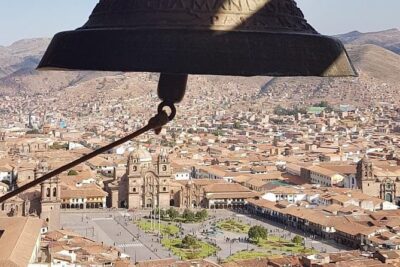
The meeting point is the fountain in the center of the Plaza de Armas, with pickup scheduled for 8:45 am. The guide is expected to call your name, so arrive early enough to find the fountain without rushing.
Beginning here gives the tour a useful setting. The square is the heart of Cusco, and the walk from the fountain to Qoricancha is short enough to connect the modern city with its Inca foundations. The tour also starts with the city itself before moving to the hilltop ruins.
The return point is Plaza Kusipata, about one block from the Plaza de Armas. That is convenient for continuing your day, finding lunch, or returning to your hotel if it is nearby.
The exact end time can shift with traffic, group size, and the pace at each stop. The advertised duration is five hours, so avoid booking another fixed activity immediately afterward.
Qoricancha: The Inca Temple Beneath Colonial Cusco
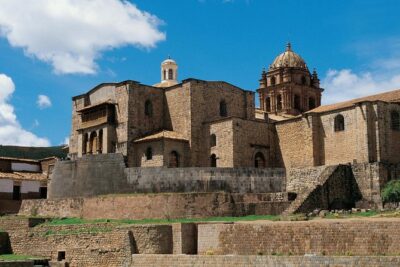
The first formal visit is Qoricancha, also known as Coricancha or the Temple of the Sun. The planned visit lasts about 40 minutes, making it one of the longer stops.
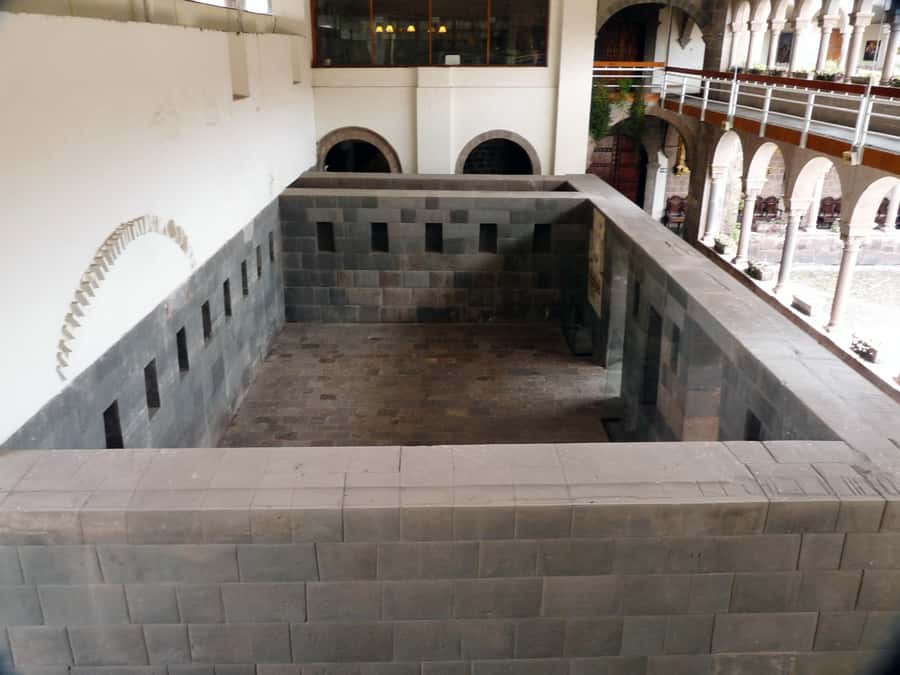
Qoricancha is important because it shows the collision of Inca and Spanish Cusco in one place. The temple was a major religious center devoted to the sun, and later construction changed the site. Your guide can help explain which features belong to the Inca period and how the building was adapted under Spanish rule.
I like beginning here because it gives you a framework for the rest of the morning. The tour is not only about isolated stones in the countryside. Qoricancha helps you see how religion, power, and architecture were tied together in the Inca capital.
Forty minutes is enough for an explanation and a general look, but it is not a long museum visit. If you are especially interested in masonry or colonial architecture, you may want more time here than the schedule allows.
Pay attention to the way the site sits within present-day Cusco. The contrast between old stonework and the surrounding city is part of the experience. This is not a remote ruin. It is a working part of a living city.
Sacsaywaman: Massive Stonework Above Cusco
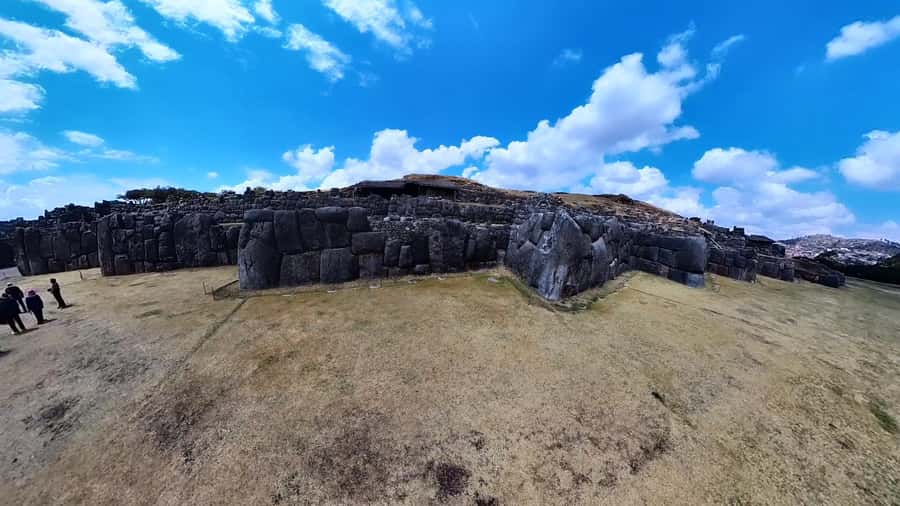
After Qoricancha, the group rides for about 20 minutes to Sacsaywaman. The visit lasts around 40 minutes.
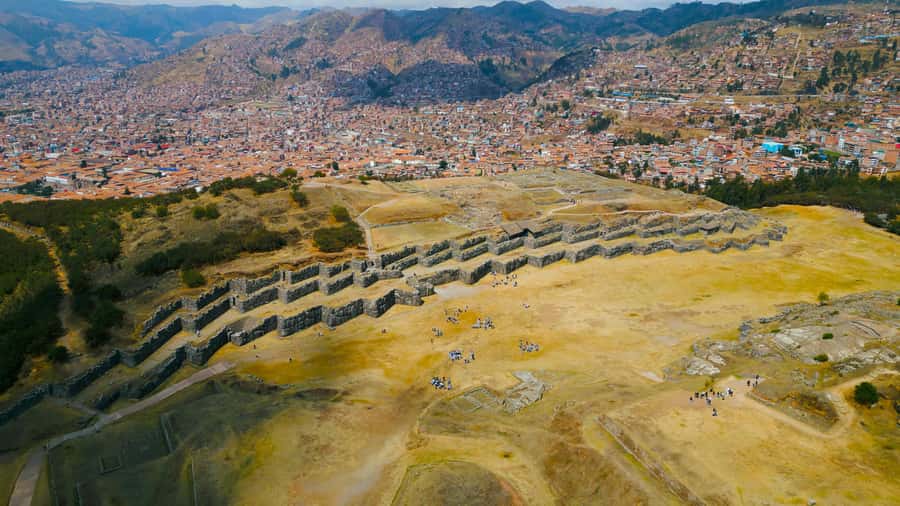
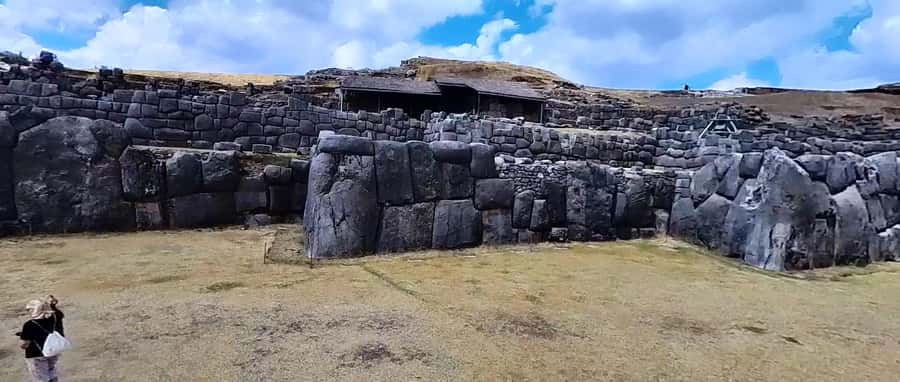
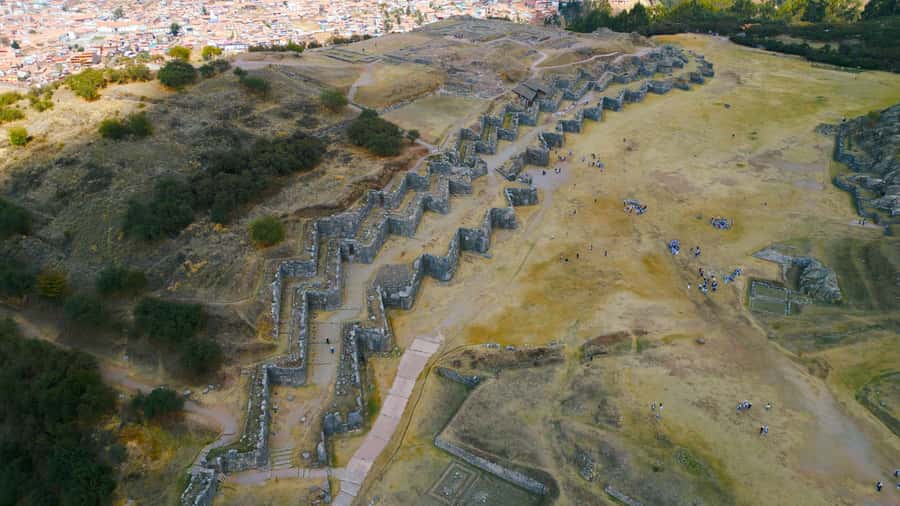
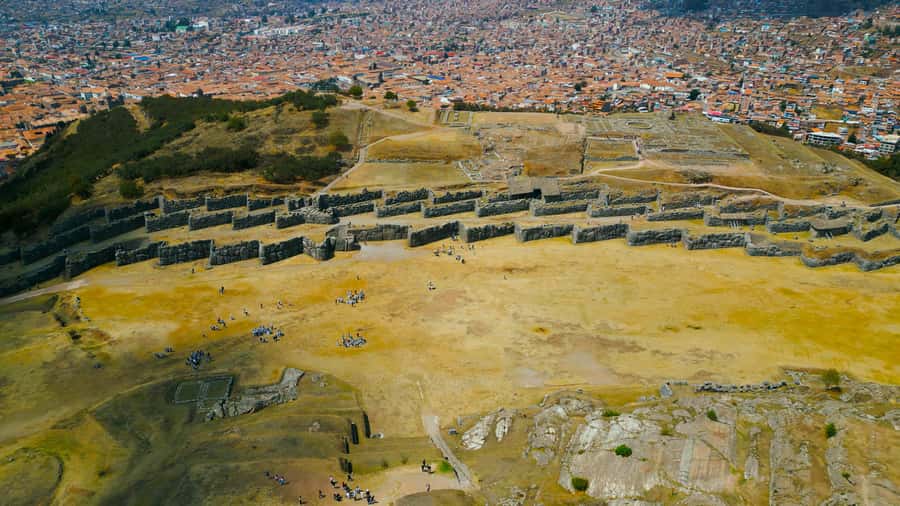
This is likely to be the morning’s biggest visual reward. Sacsaywaman is known for its huge fitted stones and broad position above Cusco, where you can look across the city and surrounding hills. The tour highlight of panoramic views fits this stop best.
The size of the stones is difficult to understand from photographs alone. Your guide can point out the careful joins and explain the role the complex played in Inca society. The exact function of Sacsaywaman is often discussed in relation to ceremonial and defensive use, so a guide adds useful context that a quick self-guided visit might lack.
Wear shoes with a firm grip. The route through an archaeological site can involve uneven ground, and you will want to look at the walls rather than constantly watch your feet. Also keep your pace measured. The altitude is noticeable here, especially if you have only recently arrived in Cusco.
The 40-minute stop gives you enough time for the main walls and the views. It does not give you a long walk through every part of the complex. This is a good example of the tour’s basic bargain: broad coverage over detailed exploration.
More things to do in Cusco:
- Classic Inca Trail Trek 4D/3N to Machu Picchu (Group Service)
★ 5.0 · 8,653 reviews - Cusco: Rainbow Mountain and Red Valley Day Trip with Meals
★ 4.9 · 4,893 reviews - Machu Picchu: 4-Day Inca Trail Trek with Panoramic Train Ride
★ 5.0 · 4,568 reviews - Salkantay Classic Trek 5 Days from Cusco
★ 5.0 · 4,062 reviews
Qenqo’s Rock-Cut Ceremonial Spaces
A short five-minute ride takes you from Sacsaywaman to the Qenqo Archaeological Complex, usually written as Qenqo or Q’enco. The planned visit is about 30 minutes.
Qenqo feels different from Sacsaywaman. Instead of grand walls spread across a hillside, you focus on carved rock and ceremonial features. The site gives the guide a chance to discuss how the Inca shaped natural stone for ritual purposes.
Thirty minutes is a sensible amount of time for a first visit. You can see the main area and hear the explanation without spending too much of the morning on a smaller complex. Still, the stop may feel brief if you want to examine every carved surface.
I would listen closely here because the meaning of the site is less obvious at first glance. Large walls explain themselves. A carved rock requires interpretation, and the guide’s explanation turns an unusual stone formation into part of the larger story of Inca religious practice.
Puca Pucara, a Short Stop with Wide Views
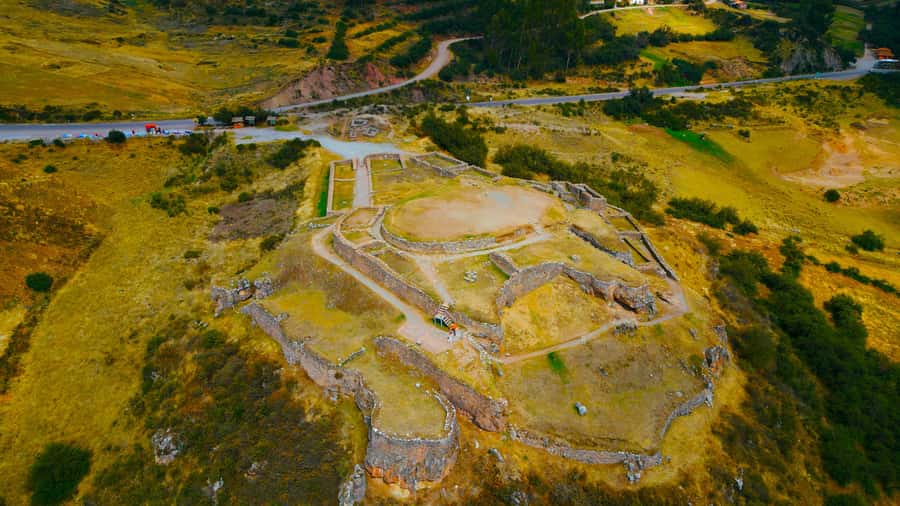
The next ride takes about 10 minutes, followed by a visit of roughly 20 minutes at Puca Pucara. This is the briefest archaeological stop on the route.
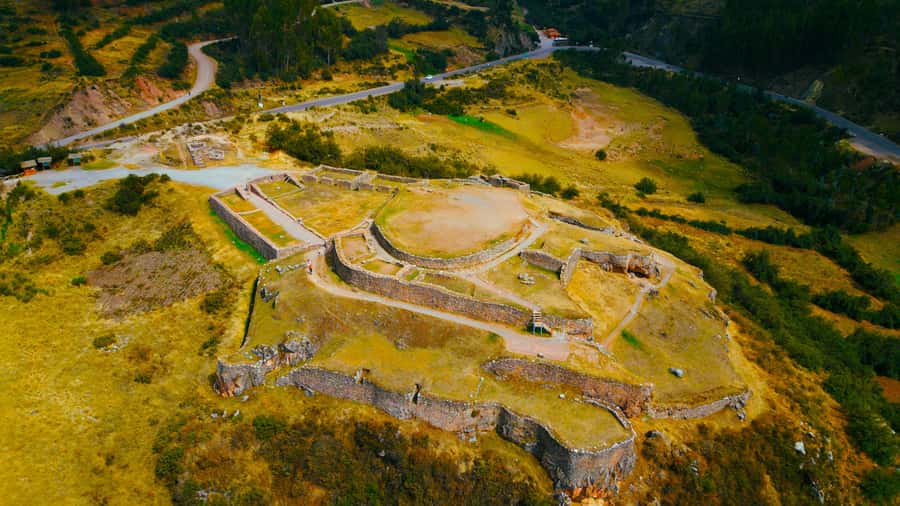
Puca Pucara is associated with a hillside complex near the old routes leading into Cusco. The site is compact compared with Sacsaywaman, and its position provides another chance to look across the surrounding countryside.
Because the stop is short, I would set your expectations correctly. You are not getting a long walk or a detailed study. You are getting a quick explanation, photographs, and another piece of the Inca road and settlement system.
This stop works well as part of the sequence. After seeing a major temple, enormous stonework, and a carved ceremonial site, you see a smaller complex that helps show how the Inca organized movement around Cusco. Its value is clearer when connected to the other sites.
Tambomachay and the Meaning of Water
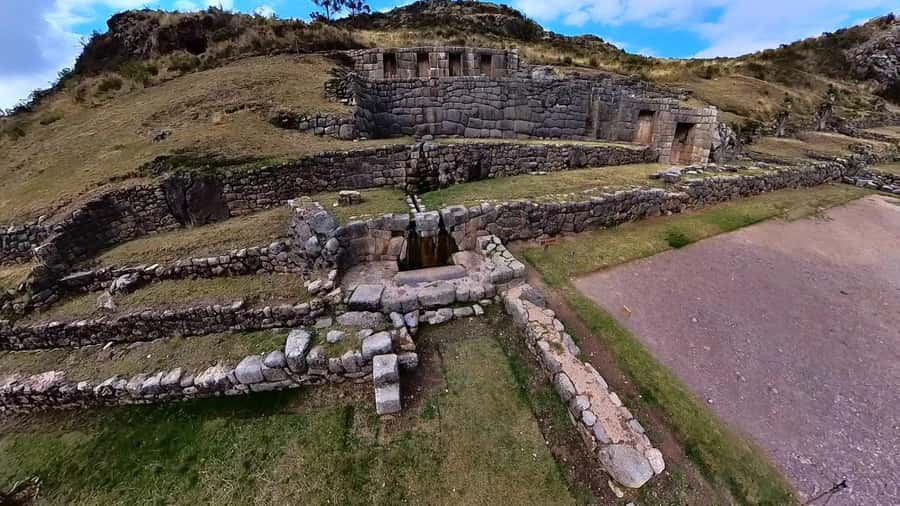
From Puca Pucara, the ride takes about one minute, followed by a 30-minute visit to Tambomachay. The sites are close together, so this part of the route is efficient.
Tambomachay is linked with water and ceremonial activity. Channels, stonework, and flowing water give the guide a chance to explain the importance of water in Inca sacred spaces and daily life.
This can be a calm finish to the ruins portion of the tour. The site is smaller than Sacsaywaman, but its focus on water gives the morning a different subject. You have moved from the sun temple to stone walls, carved rock, roads, and water.
The visit lasts long enough for a clear introduction. As at the other sites, you should not expect unlimited time for photographs or independent wandering. Keep track of the group and listen for the departure instruction, since the tour still has a 20-minute ride back to Cusco.
The $15 Price and the Extra 90 Soles
At $15 per person, this is an inexpensive way to cover several major sites in one morning. The price includes tourist transport and a professional bilingual guide, which are the two services that make the route practical.
The important catch is the archaeological entry ticket. You need to bring 90 soles in cash, and that cost is separate. Add it to the advertised price before deciding how affordable the tour is.
Even with that extra payment, the tour can offer good value if you want transport, basic explanations, and a quick route through the main ruins. It is less attractive if you already have transport arranged or prefer to spend a full hour or more at one site.
The low price may also explain why the group experience can feel organized around moving people efficiently. One Spanish-language review praised the friendly and attentive guide but also noted frequent selling of goods during the transport and at places where the group was taken. If you dislike sales stops, keep that possibility in mind.
The provided highlights mention local cuisine, but no meal is listed among the inclusions. I would not book this expecting lunch or a tasting to be part of the five-hour route. Plan your own meal after returning to Plaza Kusipata.
Altitude, Language, and Physical Comfort
Cusco’s altitude is the most important practical issue. A reviewer specifically advised waiting until you have adapted to Cusco before taking this tour, noting that Cusco is higher than Machu Picchu.
The schedule involves multiple archaeological sites, time outside, and movement over uneven ground. Even though the tour is only half a day, the altitude can make the morning feel demanding. Give yourself time to rest and adjust before booking.
The guide speaks Spanish and English, but the experience may not be perfectly equal in both languages. A mixed group can mean longer explanations in Spanish and shorter English summaries. That does not make the tour unusable for English speakers, but it is worth knowing if detailed English instruction is your top priority.
The activity is listed as wheelchair accessible. Still, the individual sites have different surfaces and layouts, so anyone requiring specific access support should confirm the practical details before booking. The provided information confirms accessibility, but it does not describe the exact route at each ruin.
Who Will Get the Most from This Tour?
I would recommend this tour to you if you have limited time in Cusco and want a broad first look at the major Inca sites. It is especially useful on an early day in the city, once you have adjusted enough for a five-hour outing.
It also suits anyone who prefers not to arrange taxis or separate transport to the hilltop ruins. The route is simple: meet in the main square, follow the guide through the sites, and return close to the center.
You may want a different plan if you are a serious archaeology enthusiast, a slow photographer, or someone who dislikes group pacing. The tour gives you an overview, but the 20 to 40-minute visits leave little room to linger.
It may also be a poor choice immediately after arriving from a lower altitude. The itinerary is not extreme on paper, but altitude can turn a straightforward morning into hard work.
Should You Book the Cusco Ruins Tour?
Book it if you want maximum site coverage for a small upfront price and are happy with a brisk, guided schedule. Qoricancha and Sacsaywaman provide the strongest anchors, while Qenqo, Puca Pucara, and Tambomachay fill out the picture of Inca Cusco.
Skip it if you need long visits, a guaranteed English-heavy presentation, or a food experience included in the price. Bring 90 soles in cash, arrive early at the Plaza de Armas fountain, and book only after you have adjusted to Cusco’s altitude.
Free cancellation is available up to 24 hours before departure, and you can reserve now while paying later. Those flexible terms are useful, but the real decision is simple: choose this for efficient coverage, not for a slow and private encounter with every ruin.
FAQ
Where does the tour begin?
Pickup is at the water fountain in the center of Cusco’s main square, the Plaza de Armas. The scheduled pickup time is 8:45 am, and the guide will call your name.
Where does the tour finish?
The tour finishes at Plaza Kusipata, about one block from the Plaza de Armas in Cusco.
How long does the tour last?
The experience lasts approximately five hours, including transport between the archaeological sites and the return to central Cusco.
Which sites are included?
The route includes Qoricancha, Sacsaywaman, Qenqo, Puca Pucara, and Tambomachay.
Is the archaeological entry ticket included?
No. You need to bring 90 soles in cash to pay for the entry ticket to the archaeological centers.
Is transport included?
Yes. Tourist transport between the sites and back to Cusco is included.
What languages does the guide speak?
The live guide is available in Spanish and English.
Can I cancel the tour for a refund?
Yes. You can cancel up to 24 hours in advance for a full refund. You can also reserve now and pay later.
Just added in Cusco
- Cusco Private Transportation for 2026★ 5.0 · 4 reviews
- Private Transfer from Airport to Hotel in the City of Cusco★ 4.0 · 5 reviews
- Best Cusco walking tour: dinner street food tasting★ 4.5 · 11 reviews
- Private Tour to Pisac Market and Pisac Ruins★ 5.0 · 4 reviews
- Machu Picchu Day Trip With Panoramic Train from Cusco★ 5.0 · 10 reviews
- Sacred Valley Private Tour from Cusco, Guide and Driver only★ 5.0 · 4 reviews
- Sacred Valley of the Incas Tour★ 5.0 · 12 reviews
- Private Tour of the Mountain of Colours by Quad★ 5.0 · 7 reviews
Cusco City Tours, compared.
Half-Day City Tour with Sacsayhuaman and Q’enco
Read our review →
City Tour Cusco Qoricancha Sacsayhuaman y Tambomachay
Read our review →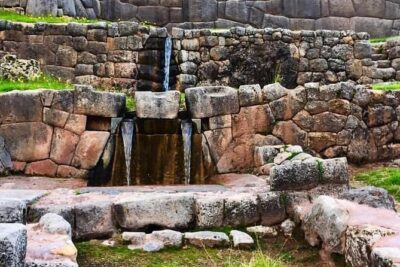
Cusco City Sightseeing, San Pedro Market, Cathedral and Qorikancha Temple
Read our review →
Cusco City Sightseeing and Sacsayhuaman Archeological Park Tour
Read our review →
Cusco 4-Hour Private Tour Including Sacsayhuaman and Qenqo
Read our review →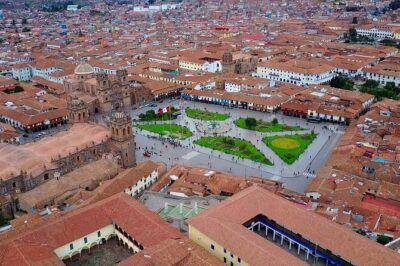
Browse the lists this tour appears in