
Reviewed · CUSCO CITY TOURS
Cusco: Sacsayhuaman, Qenqo, Puca Pucara & Tambomachay Tour
Cusco keeps its biggest stones uphill. This half-day tour links Sacsayhuaman, Qenqo, Puca Pucara, and Tambomachay, giving you a quick but useful look at the Inca sites above the city. I like the way the route combines grand stonework, ritual spaces, military remains, and water engineering instead of repeating the same kind of ruin four times. I also like the included pickup, return transport, and central Cusco drop-off.
The main consideration is cost beyond the advertised $21 price: entrance fees are not included, including the separate admission for Qoricancha on the 9:00 AM and 1:00 PM departures. The guide service is listed in Spanish, so confirm the language before booking if you need English.
In This Review
- Key points at a glance
- Why this four-site Cusco tour works
- Sacsayhuaman and the shock of Inca stonework
- Qenqo, where the route becomes more mysterious
- Puca Pucara and the defensive side of Cusco
- Tambomachay and the Inca respect for water
- Qoricancha, available on selected departure times
- What the $21 price really covers
- Timing, language, and practical fit
- Who should book this Cusco outing?
- Should you book the Sacsayhuaman and four-site tour?
- FAQ
- How long does the tour last?
- What sites are included in the main route?
- Is Qoricancha included on every departure?
- Are entrance fees included?
- What is included in the $21 price?
- What language is the tour offered in?
- Where does the tour finish?
- Can I cancel for a full refund?
- Who should not take this tour?
Key points at a glance
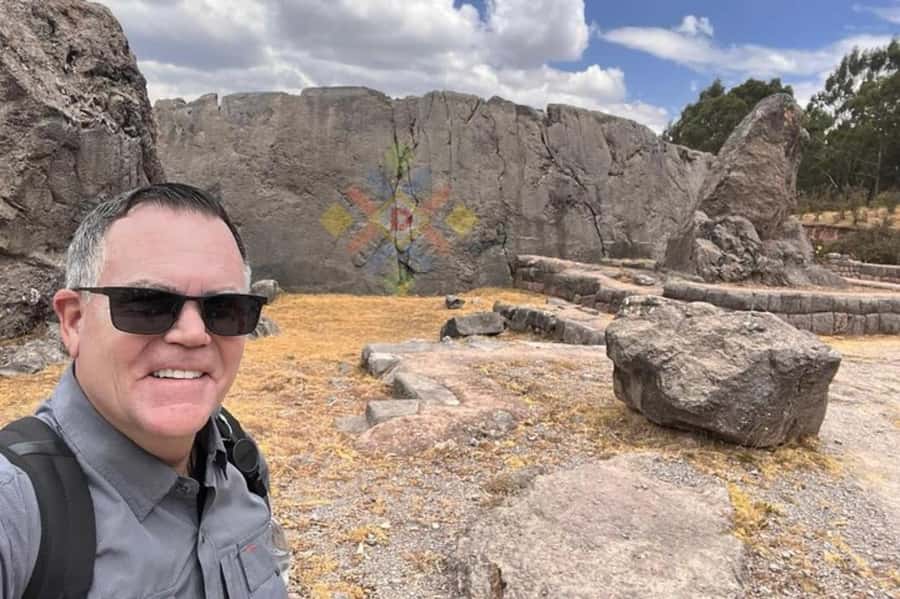
- Sacsayhuaman delivers the big visual moment: Massive fitted stones make this the strongest stop for first impressions and photographs.
- Qenqo changes the mood: Its passages and ceremonial altars offer a more enclosed, puzzling look at Inca ritual life.
- Puca Pucara adds military context: You see how the hills around Cusco helped control movement and protect the capital.
- Tambomachay focuses on water: Aqueducts and fountains show the practical skill behind Inca sacred sites.
- Morning and early afternoon departures may include Qoricancha: The Temple of the Sun adds a city-center monument to the hilltop circuit.
- Transport is the real value at $21: You avoid arranging separate rides between four sites, though admissions and some services cost extra.
Why this four-site Cusco tour works
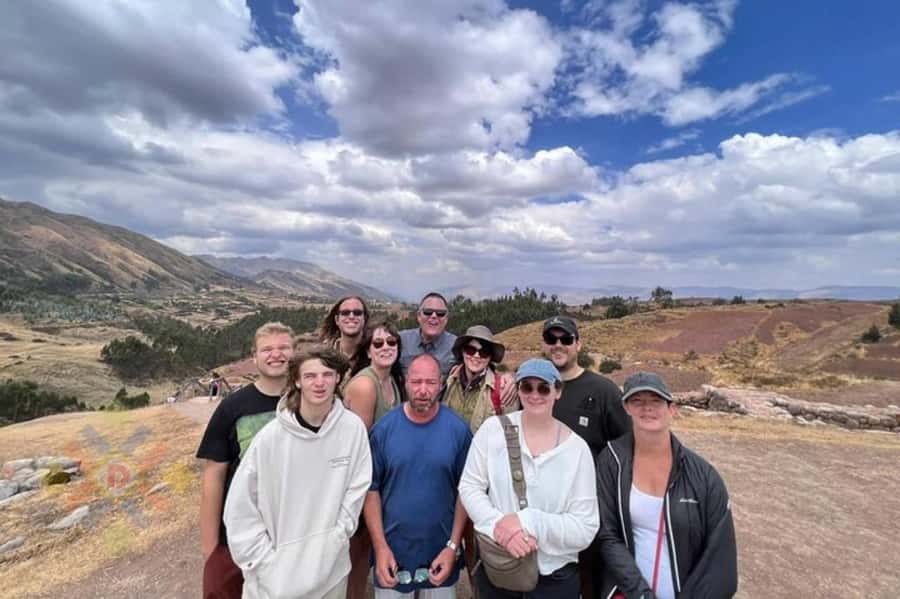
Cusco has enough archaeological sites to overwhelm a first-time visitor. You can spend a full day trying to sort out names, locations, and transport, or you can use this 270-minute tour to create a clear first layer of understanding.
I like the route because each stop has a different job. Sacsayhuaman shows the scale of Inca construction. Qenqo brings you closer to ritual spaces. Puca Pucara explains defense and movement. Tambomachay turns your attention to water and engineering.
That variety matters. You are not simply looking at four piles of stones and trying to remember which is which. The guide can connect the sites to the larger role of Cusco as a capital, ceremonial center, and protected mountain settlement.
The tour lasts four and a half hours. That is long enough to see the main features without giving away an entire day in Cusco. It also leaves room for an afternoon meal, museum visit, or walk through the city after the central drop-off.
The tradeoff is pace. You will not have unlimited time at each site. If you want long photographic pauses, quiet reflection, or detailed archaeological study, a private tour or individual visits may suit you better. This outing is built for coverage and convenience.
More Cusco city tours:
- Cusco: Half-Day City Tour with Sacsayhuaman and Q’enco
★ 4.6 · 1,129 reviews - City Tour Cusco Qoricancha Sacsayhuaman y Tambomachay
★ 4.7 · 617 reviews - Cusco City Tour Four Ruins in Half-Day
★ 5.0 · 530 reviews
Sacsayhuaman and the shock of Inca stonework
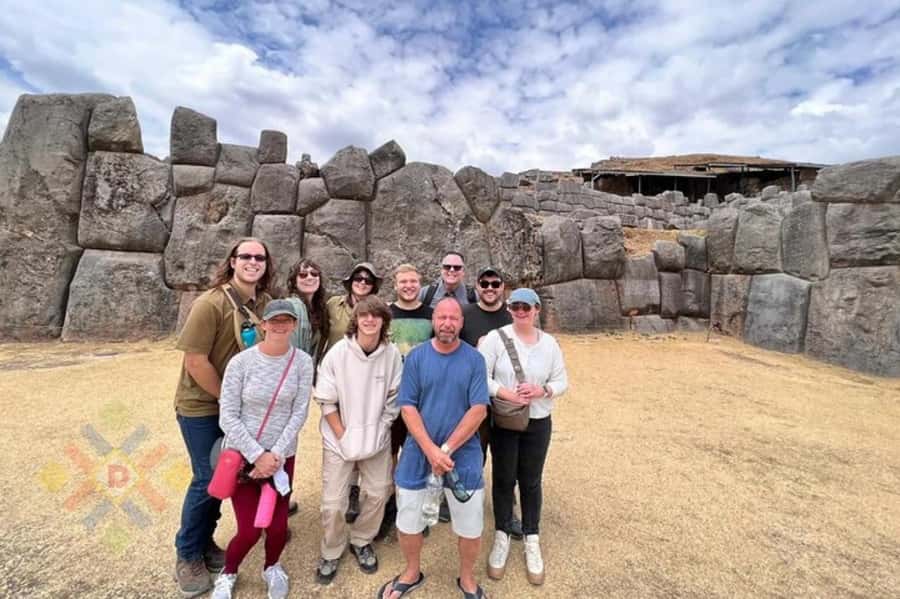
Sacsayhuaman is the stop that usually gives the route its visual punch. Its massive stone walls show the scale and care of Inca construction better than any quick description can.
Look closely at the blocks rather than only admiring the overall size. Their tight fitting is the point. The walls are a useful place to hear about Inca building methods, political power, and the importance of this high ground above Cusco.
The site also gives you broad views around the city and surrounding hills. These are not just pleasant scenery. The elevated position helps you understand why the area mattered. From here, Cusco feels like a place shaped by topography, defense, and ceremony.
Bring your attention, not just your camera. The large stones make a dramatic picture, but the guide’s explanation gives the ruins meaning. Without context, you might remember only the scale. With context, you can begin to see Sacsayhuaman as part of the structure of the Inca capital.
Because admission is not included, check the current entry arrangements when you book. The tour price covers pickup, round-trip transportation, and the guide, but not the ticket for Sacsayhuaman.
Qenqo, where the route becomes more mysterious

Qenqo feels different from Sacsayhuaman. Instead of wide walls and open views, you encounter an archaeological complex known for labyrinthine passages and ceremonial altars.
This is the place to slow your eyes down. Notice how the carved and enclosed spaces change your sense of movement. Qenqo is less about a huge outward display and more about what may have happened within its ritual areas.
The word ceremonial is important here. The site gives your guide a chance to explain how religion, sacred space, and stone were tied together in Inca society. You should not expect every purpose to feel simple or obvious. Part of Qenqo’s appeal is that its passages invite questions.
Wear shoes that feel secure and pay attention as you move through the complex. The supplied information does not promise extensive walking conditions or accessibility details, so anyone with mobility concerns should ask the operator before paying.
Qenqo is also a good reason to avoid judging the tour only by its biggest monument. Sacsayhuaman catches your eye at once. Qenqo rewards curiosity and explanation.
Puca Pucara and the defensive side of Cusco
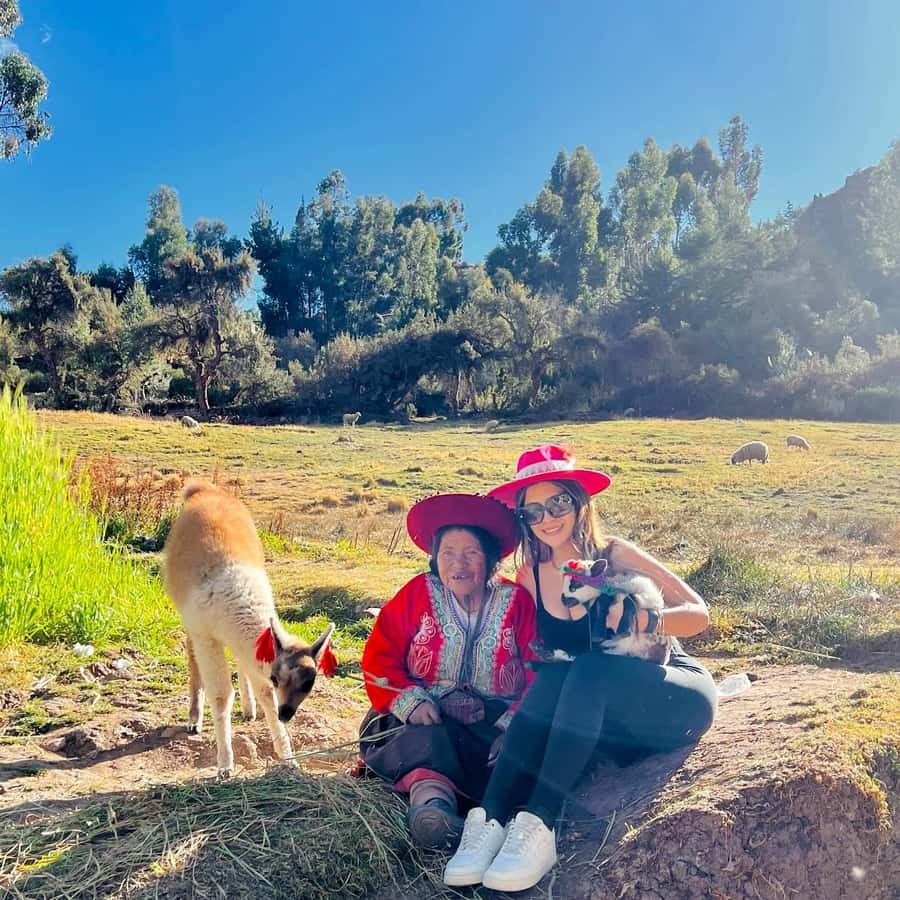
Puca Pucara brings a practical question into the tour: how did the Incas protect and manage access to Cusco?
The site is described as a military construction, and the guide explains its strategic role. That context helps you see the surrounding route as more than a collection of religious places. Roads, high points, and controlled movement mattered to the capital’s security.
The remains may not produce the same immediate reaction as Sacsayhuaman. That is not a weakness. Puca Pucara works as a supporting chapter in the story. It helps you understand the network around Cusco and why a highland site could serve both practical and political purposes.
I especially like this stop for visitors who want history beyond temples and ceremonies. A city needs food, roads, messages, watch points, and protection. Puca Pucara points toward those less glamorous but essential parts of Inca power.
You may also appreciate the open setting here. The high position makes the surroundings part of the lesson. Ask the guide to connect what you see on the ground with the defensive role of the site.
More things to do in Cusco:
- Classic Inca Trail Trek 4D/3N to Machu Picchu (Group Service)
★ 5.0 · 8,653 reviews - Cusco: Rainbow Mountain and Red Valley Day Trip with Meals
★ 4.9 · 4,893 reviews - Machu Picchu: 4-Day Inca Trail Trek with Panoramic Train Ride
★ 5.0 · 4,568 reviews - Salkantay Classic Trek 5 Days from Cusco
★ 5.0 · 4,062 reviews
Tambomachay and the Inca respect for water
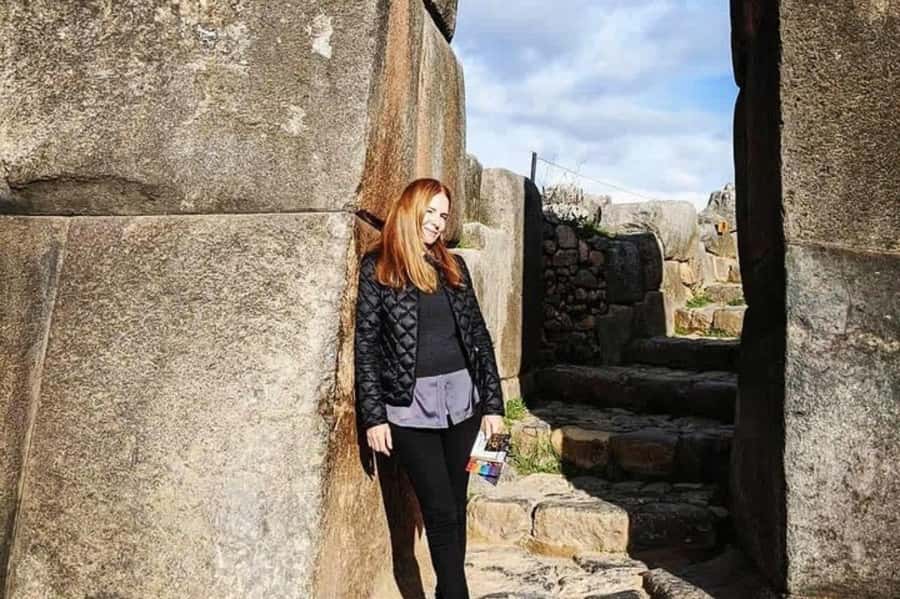
Tambomachay closes the main hilltop circuit with a change in subject. This archaeological center was dedicated to the worship of water, and its aqueducts and fountains reveal the Incas’ control of water flow.
The site is a reminder that engineering and belief were closely linked. Water could be useful, beautiful, and sacred at the same time. The fountains give you something concrete to study, while the religious purpose adds a larger cultural frame.
I like Tambomachay because it prevents the tour from becoming only a story about walls and warfare. Here, the focus shifts to precision, flow, and the meaning attached to natural resources.
The stop can feel quieter and more restrained than Sacsayhuaman. That is exactly why it works near the end. After seeing giant masonry and military remains, you finish with a more delicate example of Inca skill.
Entry to Tambomachay is not included, so remember that the $21 price is not the complete cost of the outing. The value comes from combining transport and guiding across several sites, not from covering every expense.
Qoricancha, available on selected departure times
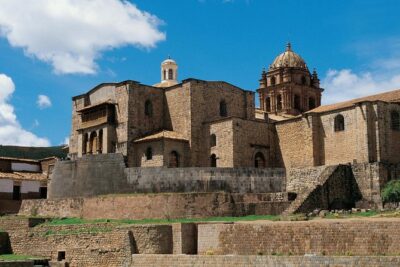
The 9:00 AM and 1:00 PM schedules include an additional visit to Qoricancha, the Temple of the Sun. This is an important distinction when choosing your departure time.
Qoricancha was a sacred site that once glittered with gold. Adding it gives you a city-center counterpart to the hilltop ruins. The outer archaeological circuit shows how Cusco was organized around defense, ceremony, and water. Qoricancha brings the focus directly into the city’s religious center.
The extra stop also makes the 9:00 AM and 1:00 PM options more attractive if you want the broadest program in a single outing. You should still confirm the exact schedule and admission arrangements before booking, since Qoricancha entry is not included.
If you choose another departure time, do not assume Qoricancha is part of the route. The four main sites remain the core experience.
What the $21 price really covers
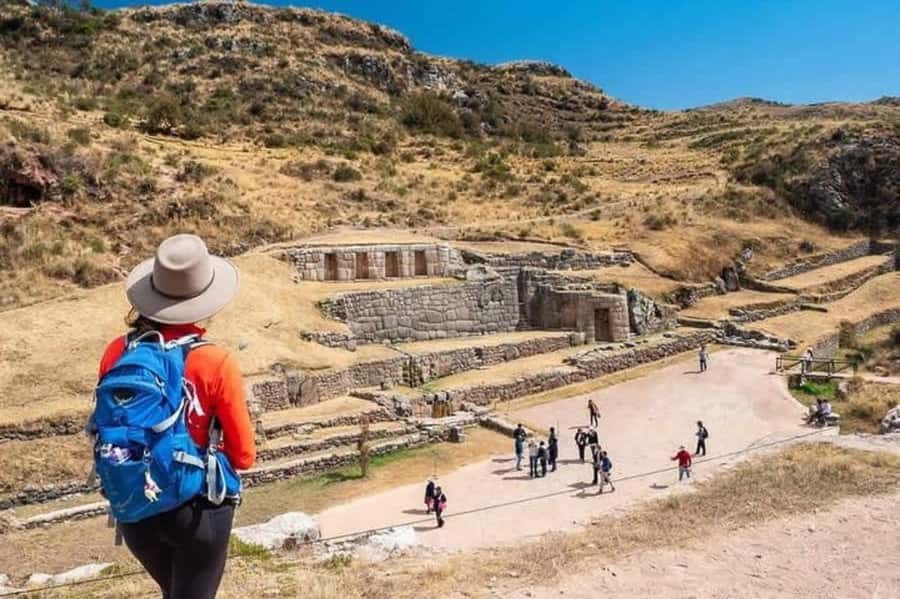
At $21 per person, this is a low-cost way to connect four sites that would otherwise require separate transport. Pickup and return transportation remove much of the practical work, and the central Cusco drop-off lets you continue exploring without arranging another ride back from the hills.
The guide is another important part of the price. These ruins become far more useful when someone explains their ceremonial, defensive, and engineering roles. The tour received a 4.8 rating from four verified bookings, including praise for organization, communication, the guide, and the convenience of visiting five sites with transport.
One review from Pau of Argentina, dated January 27, 2026, praised the preparation of the guide and the organization of the excursion. Margeaux from the United States, writing about a March 10, 2025 booking, highlighted the well-organized service and pickup and return to an Airbnb.
Those details point to the tour’s strongest value: not luxury, but coordination. You pay a modest amount to get from site to site, hear the story in Spanish, and avoid turning the morning or afternoon into a transport puzzle.
Still, budget honestly. The listed admissions are extra for Sacsayhuaman, Qenqo, Puca Pucara, Tambomachay, and Qoricancha when that stop applies. Travel insurance and services not mentioned are also excluded.
Timing, language, and practical fit
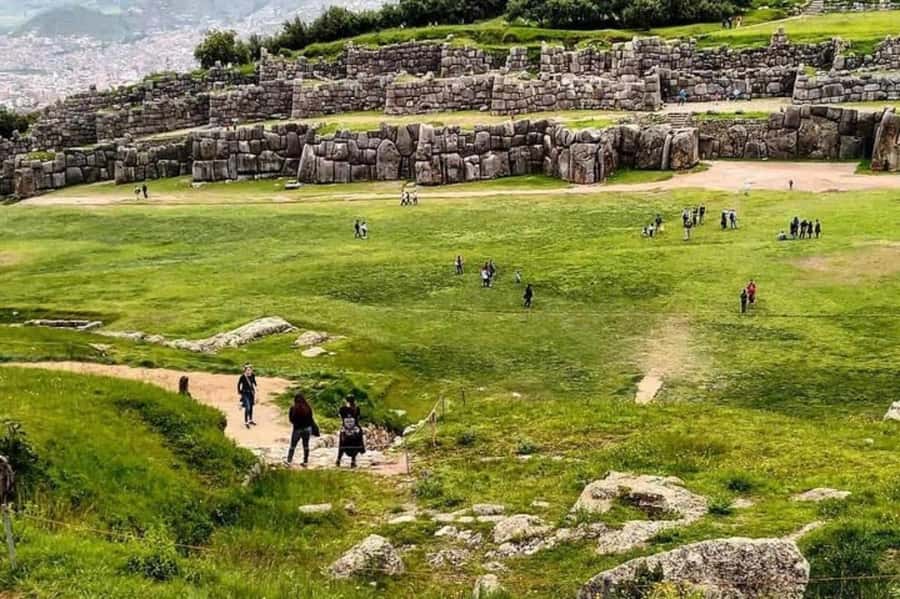
The tour runs for 270 minutes, or four and a half hours. Availability determines the actual starting times, and the 9:00 AM and 1:00 PM schedules have the added Qoricancha visit.
The language information needs a close look. The tour includes a bilingual guide, while the activity details list Spanish as the available language. If you require an English-speaking guide, ask DonPeruTours to confirm this before booking rather than relying on the word bilingual alone.
The experience is not suitable for children under five or people over 75 according to the stated conditions. The information does not give a detailed accessibility description, so you should ask about walking surfaces, steps, and assistance if those points affect your decision.
A light, practical approach works best. You will be moving through several archaeological areas in one half-day, so comfortable footwear and protection from the high-altitude sun make sense. The tour details do not specify meals, drinks, or equipment, so plan as if none are included.
Free cancellation is available up to three days in advance for a full refund. That gives you some room to adjust plans, but the deadline matters.
Who should book this Cusco outing?
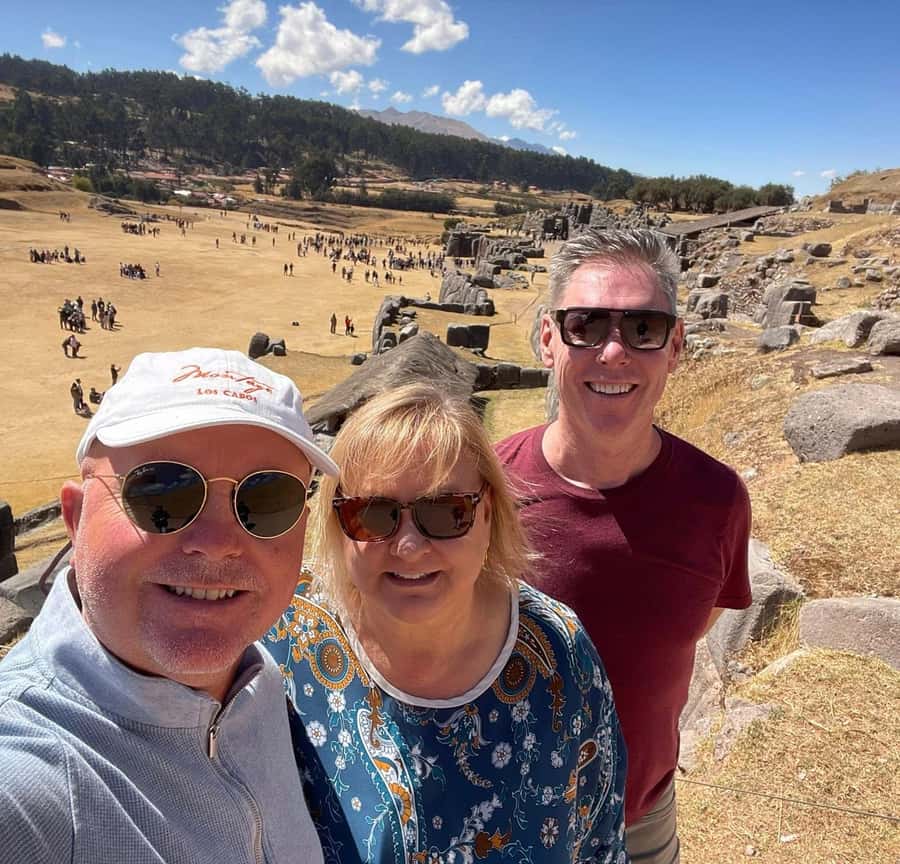
I would recommend this tour to a first-time Cusco visitor who wants a strong introduction to the major sites above the city. It also suits anyone with limited time who prefers one organized circuit to several independent taxi rides.
It is a good fit if you want:
- A four-and-a-half-hour historical overview
- Transport between four hilltop sites
- A guide to explain what you are seeing
- An optional Qoricancha visit at selected times
- A low base price before entrance fees
I would be more cautious if you want a slow, highly personal visit. The schedule covers a lot, and admission costs are separate. Visitors who need English, detailed accessibility support, or long periods at each ruin should confirm those matters first.
The tour also makes sense early in a Cusco stay. It gives you a mental map of the city and its surrounding sites, which can make later visits to museums, churches, and archaeological areas easier to understand.
Should you book the Sacsayhuaman and four-site tour?
Book it if convenience and coverage matter most. For $21, the combination of pickup, return transportation, a live guide, and four major sites is strong value, provided you budget for entrance tickets and confirm the language.
Choose the 9:00 AM or 1:00 PM departure if Qoricancha is important to you. Choose another option only after confirming what is included in that schedule.
This is not the tour for a long, quiet archaeological study. It is a well-organized introduction that gives you the big stones, the ritual spaces, the defensive viewpoint, the waterworks, and possibly the Temple of the Sun in one manageable outing. For many visitors, that is a smart first chapter in Cusco.
FAQ
How long does the tour last?
The tour lasts 270 minutes, which is four and a half hours.
What sites are included in the main route?
The main route visits Sacsayhuaman, Qenqo, Puca Pucara, and Tambomachay.
Is Qoricancha included on every departure?
No. The 9:00 AM and 1:00 PM schedules include an additional visit to Qoricancha.
Are entrance fees included?
No. Admission to Sacsayhuaman, Qenqo, Tambomachay, Puca Pucara, and Qoricancha is not included.
What is included in the $21 price?
The price includes pickup, round-trip transportation, and a bilingual guide.
What language is the tour offered in?
The activity information lists Spanish as the available language. The tour also describes the guide as bilingual, so confirm the specific language arrangement before booking.
Where does the tour finish?
The tour ends with drop-off in the center of Cusco.
Can I cancel for a full refund?
Yes. You can cancel up to three days in advance for a full refund.
Who should not take this tour?
The experience is not suitable for children under five or people over 75.
Just added in Cusco
- Cusco Private Transportation for 2026★ 5.0 · 4 reviews
- Private Transfer from Airport to Hotel in the City of Cusco★ 4.0 · 5 reviews
- Best Cusco walking tour: dinner street food tasting★ 4.5 · 11 reviews
- Private Tour to Pisac Market and Pisac Ruins★ 5.0 · 4 reviews
- Machu Picchu Day Trip With Panoramic Train from Cusco★ 5.0 · 10 reviews
- Sacred Valley Private Tour from Cusco, Guide and Driver only★ 5.0 · 4 reviews
- Sacred Valley of the Incas Tour★ 5.0 · 12 reviews
- Private Tour of the Mountain of Colours by Quad★ 5.0 · 7 reviews
Cusco City Tours, compared.
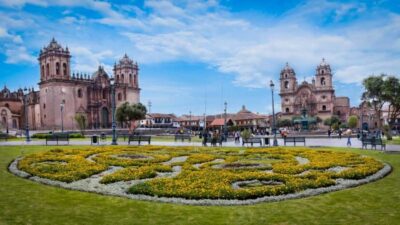
Half-Day City Tour with Sacsayhuaman and Q’enco
Read our review →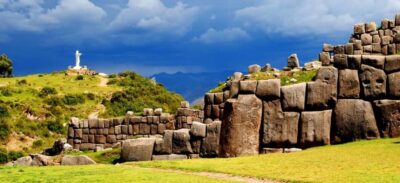
City Tour Cusco Qoricancha Sacsayhuaman y Tambomachay
Read our review →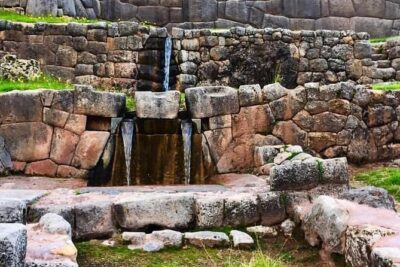
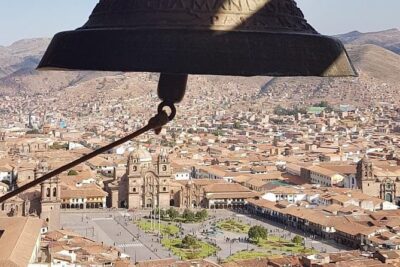
Cusco City Sightseeing, San Pedro Market, Cathedral and Qorikancha Temple
Read our review →
Cusco City Sightseeing and Sacsayhuaman Archeological Park Tour
Read our review →
Cusco 4-Hour Private Tour Including Sacsayhuaman and Qenqo
Read our review →
Browse the lists this tour appears in