
Reviewed · CUSCO CITY TOURS
From Cusco: City tour 4 ruins + Qoricancha
Cusco’s greatest hits fit into one afternoon. This five-hour tour combines Qoricancha, four important Inca sites, bilingual guiding, and transport for just $11 per person, making it an easy way to get oriented. I especially like the mix of Spanish colonial Cusco and Inca engineering, plus the chance to compare the city’s sacred center with the ruins beyond town. The main concern is that shopping stops or delays can reduce your time at the final sites.
I also like the choice of morning or afternoon departure. The guides Werner, Angélica, and Sam each received praise for being attentive or helpful, though the meeting point has caused confusion for some people. Bring your own patience, comfortable shoes, and money for the separate entrance ticket, since the tour price covers transport and guiding but not admission.
In This Review
- Key points to know before booking
- Why this $11 Cusco tour can be good value
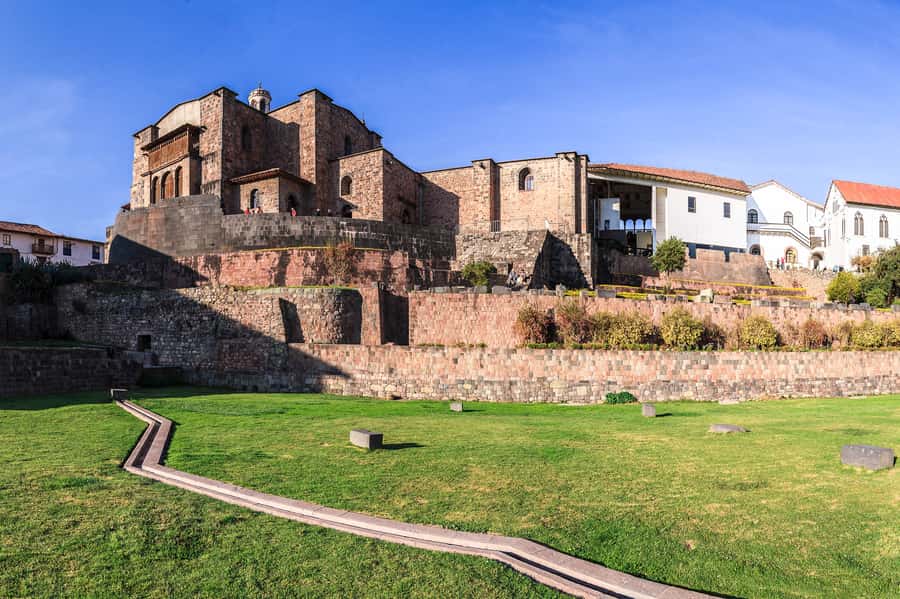
- Starting at Qoricancha, the Temple of the Sun
- Sacsayhuamán and the scale of Inca stonework
- Qenqo, a ceremonial site cut into rock
- Puca Pucara and the Inca road system
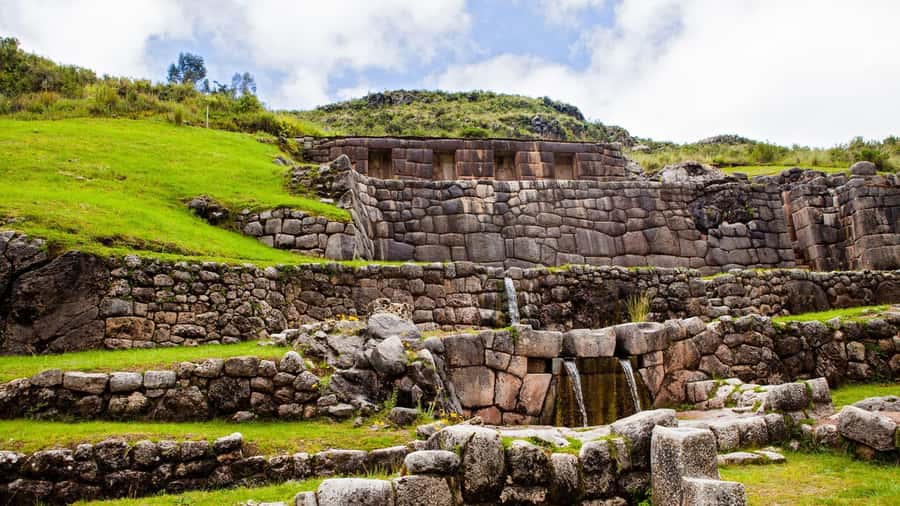
- Tambomachay and the sacred role of water
- The shopping-stop question
- Timing, pickup, and what to carry
- How the guides shape the experience
- Who should book this five-hour outing
- FAQ
- How long does the Cusco city tour last?
- What time does the morning tour meet?
- What sites are included?
- Are entrance fees included in the $11 price?
- Is a guide provided in English?
- Can I cancel the tour for a refund?
- Should you book it?
Key points to know before booking
- Qoricancha begins the history lesson: The former Temple of the Sun shows how Inca stonework and Spanish religious architecture share the same city block.
- Sacsayhuamán is the star ruin: Its huge, tightly fitted stones make it the most impressive stop for many visitors.
- The four outer sites have different purposes: Qenqo was ceremonial, Puca Pucara defensive, and Tambomachay linked to water and purification.
- The tour lasts about five hours: Morning departures meet from 8:40 to 9:00 a.m. and return around 2:30 p.m.; afternoon departures meet from 12:40 to 1:00 p.m. and return around 6:30 p.m.
- Entrance fees are extra: You need the appropriate Boleto Turístico, so check the ticket situation before you go.
- Protect your afternoon: Delays, an unlisted museum visit, or a clothing shop stop have sometimes left less time for the last ruins.
Why this $11 Cusco tour can be good value
At $11, this is an inexpensive way to cover several sites that are spread around Cusco. The price includes tourist transport and a live guide in English or Spanish. You avoid arranging separate rides to Sacsayhuamán, Qenqo, Puca Pucara, and Tambomachay, which is the main reason the cost works well.
The admission ticket is not included. That matters because the real cost of the outing is the tour fee plus the required archaeological-site entrance. If you plan to visit the Sacred Valley afterward, the full tourist ticket may make more sense than buying access one site at a time. One useful detail from a past booking is that students paid S/ 70 for the complete ticket, but this discount was not explained at the ticket counter. Carry your student identification and ask clearly about the current rate.
I see this tour as a practical first-day activity in Cusco. You get a guided introduction to the city, see several major Inca sites, and keep your own energy for later trips. Cusco sits at high altitude, so a half-day outing with transport may be easier than attempting a long day in the Sacred Valley immediately after arrival.
The $11 price also requires realistic expectations. This is a group sightseeing tour, not a private archaeological visit. If the vehicle arrives late or the schedule includes extra stops, the final sites can feel rushed. The value is strongest if you want broad coverage and basic historical context rather than a slow, highly focused examination of every stone.
More Cusco city tours:
- Cusco: Half-Day City Tour with Sacsayhuaman and Q’enco
★ 4.6 · 1,129 reviews - City Tour Cusco Qoricancha Sacsayhuaman y Tambomachay
★ 4.7 · 617 reviews - Cusco City Tour Four Ruins in Half-Day
★ 5.0 · 530 reviews
Starting at Qoricancha, the Temple of the Sun
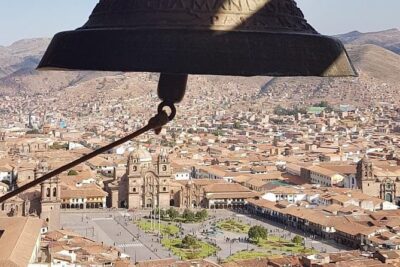
The meeting point is in Cusco’s Plaza de Armas. From there, you walk about three blocks to Qoricancha, also called the Temple of the Sun. The short walk is useful because it takes you directly from the Spanish colonial center into one of the clearest places to see Cusco’s two cultural layers together.
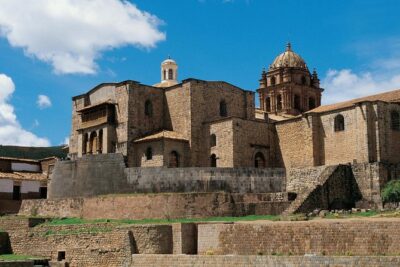
Qoricancha was a major Inca religious complex. The tour presents it as a place where you can learn about the wealth and power of the Inca Empire, then see how Spanish rule changed the site. The complex is especially useful for understanding that Cusco is not simply an old Spanish city with a few ruins nearby. Inca foundations and Spanish buildings occupy the same urban space.
This is the most important indoor or city-center portion of the tour, so listen closely here. Your guide can give meaning to the stonework before you head into the larger archaeological sites. Guides Werner and Angélica received particularly warm praise for attentive, strong explanations, and the tour is at its best when the guide connects Qoricancha to the places that follow.
You should confirm how your admission works before the tour begins. Entrance fees are not part of the $11 price, and the exact ticket needed can depend on the sites you plan to visit. On Sundays, opening times may change because some attractions open later, so the advertised schedule may not hold exactly.
Sacsayhuamán and the scale of Inca stonework
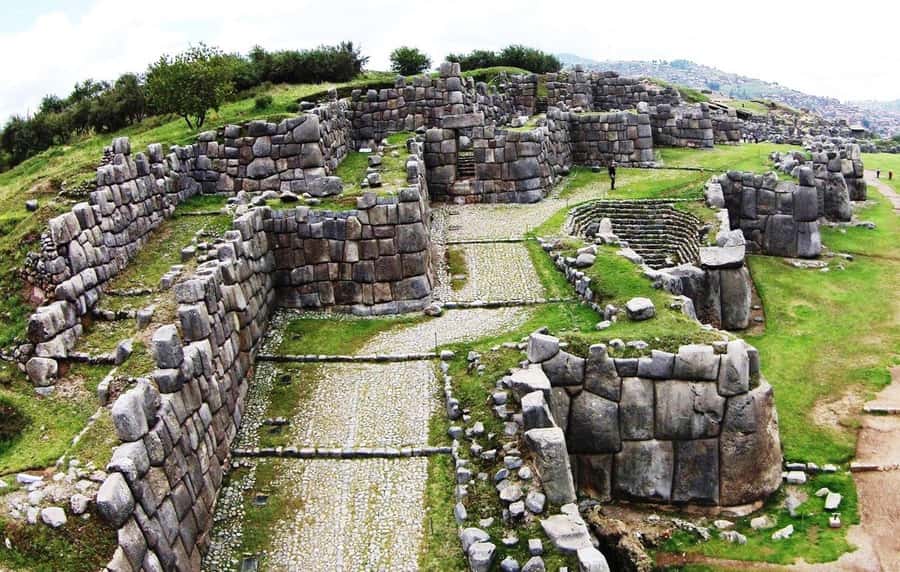
After Qoricancha, the group travels to Sacsayhuamán. This is the stop most likely to make you pause. Massive stones form carefully assembled walls, and the site shows the military side of Inca construction rather than only its religious traditions.
The key detail is the precision. The stones were fitted closely together without the kind of modern cement joints you might expect. That gives the walls a strong visual impact, even if you are not an archaeology specialist. The guide’s explanation is important because the site covers more ground and can otherwise become a quick photo stop.
Sacsayhuamán is also where transport earns its keep. It is outside the central Plaza de Armas, and reaching several sites in one half-day would be awkward without a vehicle. You will still walk on uneven ground, so comfortable shoes are not optional advice here.
Give yourself time to look beyond the largest walls. The site’s scale, terraces, and position above Cusco help explain why it was both a defensive work and a symbol of imperial strength. If your guide is Angélica, Werner, or another strong historian, this is a good place to ask how the military role fits with the religious importance of Cusco.
Qenqo, a ceremonial site cut into rock
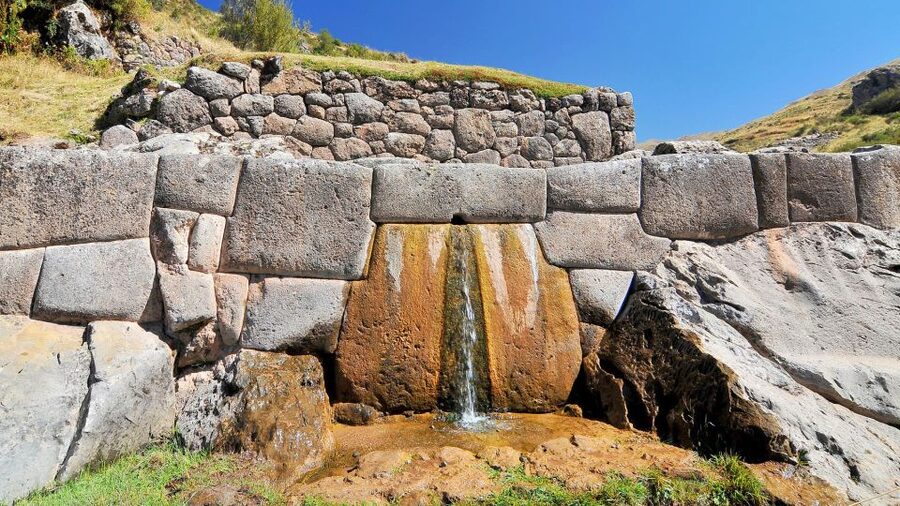
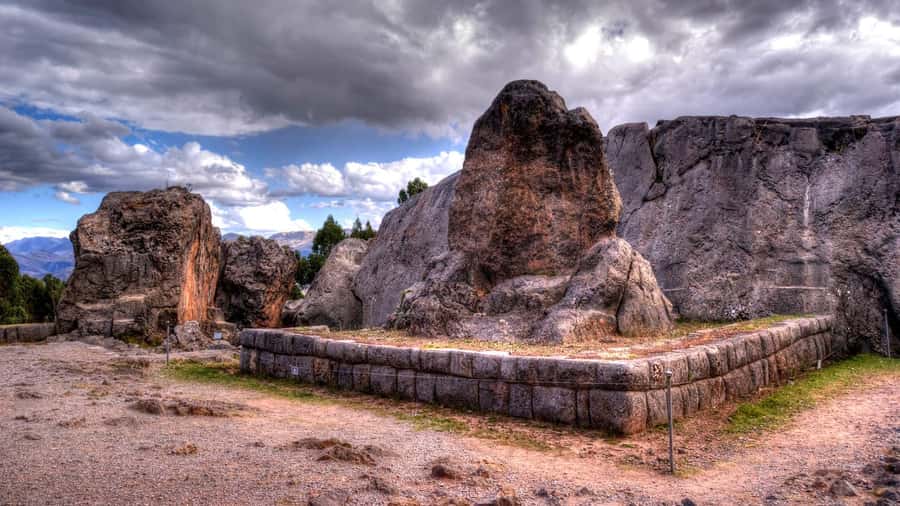
The next stop is Qenqo, an ancient ceremonial center built around a natural rock formation. Its purpose was religious, and the site gives you a different experience from Sacsayhuamán’s broad walls and open scale.
Here, the rock itself becomes part of the architecture. You may find the visit less immediately dramatic than Sacsayhuamán, but it adds an important piece to the day. The tour is not only showing forts and impressive masonry. It is also showing how the Inca used natural formations in ceremonies and sacred spaces.
Pay attention to the guide’s explanation rather than rushing through for photographs. Qenqo can be harder to understand at a glance, and a short explanation helps you see why the site mattered. If the group is running late, this is one of the places where a rushed visit can feel thin, so keep track of the schedule and ask how much time remains.
More city tours in Cusco:
- Cusco: Sightseeing Tour of the City on an Open-Top Bus
★ 4.0 · 481 reviews - Open Bus Cusco City Tour
★ 4.5 · 219 reviews - Cusco: City Tour | Half-Day Tour to 4 Archaeological Sites
★ 4.6 · 206 reviews - City Tour in Cusco & visit Museum South American Camelid Private.
★ 5.0 · 147 reviews
Puca Pucara and the Inca road system
Puca Pucara was a military fortress in Cusco’s defensive network. Its walls, terraces, and stairways are more compact than the great structures at Sacsayhuamán, but its role helps round out the picture of how the Inca protected and organized movement around the capital.
This stop works best when you think of it as part of a system. A fortress on its own may not occupy much of your time, but it makes sense after seeing a larger military site. The guide can tie together defensive positions, roads, and the approach to Cusco.
Do not expect Puca Pucara to offer the same visual punch as Sacsayhuamán. Its value is in the pattern of the day: religious center, large military architecture, ceremonial site, smaller defensive post, and water sanctuary. The stops are varied, but the schedule has to move quickly to fit all five locations into five hours.
Tambomachay and the sacred role of water
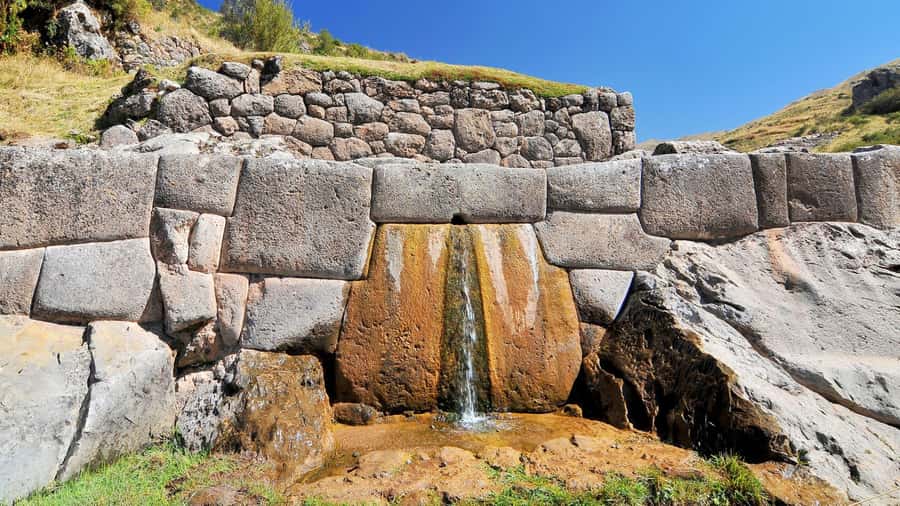
Tambomachay is the final archaeological stop. It was dedicated to the worship of water and purification, and its canals and fountains are the main feature. After the stone walls and military sites, the flowing water gives the tour a quieter finish.
The site is a good reminder that Inca engineering was not only about heavy construction. Water was tied to ritual, cleanliness, agriculture, and power. Your guide’s comments can help you see the channels as part of a sacred place rather than just an old plumbing system.
This is also the stop most vulnerable to a shortened schedule. Extra stops and late transport have sometimes left people with too little time at Puca Pucara and Tambomachay. If you care most about the archaeological sites, pay attention when the group stops elsewhere and ask the guide how the remaining time will be handled.
The tour then returns to Cusco, ending near the Plaza de Armas. The morning shift finishes at about 2:30 p.m., while the afternoon shift ends around 6:30 p.m. The afternoon option can work well if you have a free morning, but it leaves less daylight after the tour and may feel tight if anything runs late.
The shopping-stop question
The main criticism concerns unplanned or extended commercial stops. Some people were taken to a clothing shop or a museum that was not part of the advertised route. One clothing stop lasted more than 30 minutes, and the complaint was that the sales pitch received more attention than the production of the garments.
This matters because five hours is not a long time for Qoricancha and four sites. A 30-minute delay is a meaningful share of the tour. It can turn the last two ruins into quick looks instead of proper visits.
A shop stop is not automatically useless. You might find local textiles or souvenirs, and some people enjoy that part of a group tour. Still, you should know the tradeoff. If you prefer archaeology and history, ask at the start if commercial stops are planned. If an unlisted stop appears, politely ask how it will affect your time at Tambomachay and Puca Pucara.
The experience provider is Chullos Travel Peru. Organization has been mixed. One person had trouble finding the correct group in the Plaza de Armas because the name was not on the list, but guide Sam fixed the problem. Another report described a bus arriving very late. These issues do not ruin the tour every time, but they are good reasons to arrive at the meeting point early and keep your phone available.
Timing, pickup, and what to carry
For the morning departure, meet in the Plaza de Armas between 8:40 and 9:00 a.m. The afternoon meeting window is 12:40 to 1:00 p.m. The exact start time should be checked when you book, especially on Sunday, when some sites open later.
Pickup is included, but the practical instructions are slightly unusual. The guide should write or call about 15 minutes before pickup, and you are asked to wait about 10 minutes in your hotel lobby. If you are using the Plaza de Armas meeting point, make sure you know exactly where the group gathers and how to identify the guide.
Bring:
- Passport or national ID
- Comfortable walking shoes
- A hat
- Sunglasses
- Sunscreen
- A camera
The altitude deserves attention. Drinking coca tea before the tour is suggested as a way to help prevent altitude sickness. Wear suitable clothing, drink responsibly, and do not treat a five-hour tour as a reason to push through serious symptoms. The experience is not suitable for people with vertigo, and uneven archaeological sites may be uncomfortable if heights or exposed edges bother you.
Drinks are not allowed in the vehicle, and alcohol, drugs, pets, and littering are prohibited. Pack lightly and keep your essentials close. You will be moving between the city, the vehicle, and outdoor ruins, so a simple day bag is enough.
How the guides shape the experience
A bilingual guide can make the difference between a string of stone sites and a coherent introduction to Cusco. The strongest praise went to guides who were attentive and explained the history clearly. Werner was singled out for being helpful, and Angélica was praised for her strong historical explanations. Sam was especially useful when a registration problem threatened to derail the start.
The guide’s role is most important at Qoricancha, Qenqo, and Tambomachay. Sacsayhuamán is visually obvious, but the other sites need context. Ask questions when you want more detail, particularly about the relationship between Inca religion, defense, and water.
The overall rating is 4.3 out of 5 from 22 ratings, which suggests a generally positive experience with some clear practical weaknesses. The praise centers on the guides, the number of sites, and the chance to acclimate in Cusco. The lower scores focus on late transport, confusion at the meeting point, shopping stops, and short visits at the end.
That pattern gives you a fair expectation: the core route is worthwhile, but operations can affect how much history you receive.
Who should book this five-hour outing
I would choose this tour if you are visiting Cusco for the first time and want a low-cost introduction before committing to longer trips. It suits you especially well if you want transport, a bilingual guide, and a broad look at both Inca religious and military sites.
It is also a smart option for a first day of acclimatization, provided you feel well enough for walking at altitude. The route gives you something meaningful to do without the long travel time of a full-day excursion.
You may want a different arrangement if you value slow visits, photography, or complete control over the schedule. A private guide or self-arranged visit would give you more say over how long you remain at each site, though it would likely cost more. This group tour is built for coverage, not lingering.
If you plan to visit the Sacred Valley, ask about the complete tourist ticket before paying for individual admission. Students should carry proof of status and ask directly about the available discount. That small bit of preparation can save money.
FAQ
How long does the Cusco city tour last?
The tour lasts about five hours. The morning shift usually ends around 2:30 p.m., and the afternoon shift usually ends around 6:30 p.m.
What time does the morning tour meet?
The morning meeting window is from 8:40 to 9:00 a.m. in or near Cusco’s Plaza de Armas. Confirm the exact meeting instructions when booking.
What sites are included?
The route includes Qoricancha, Sacsayhuamán, Qenqo, Puca Pucara, and Tambomachay.
Are entrance fees included in the $11 price?
No. Entrance fees and the required tourist ticket are not included. Meals and personal expenses are also extra.
Is a guide provided in English?
Yes. The tour offers a live bilingual guide in English or Spanish.
Can I cancel the tour for a refund?
You can cancel up to 24 hours in advance for a full refund. You can also reserve now and pay later, keeping your plans flexible.
Should you book it?
Book this tour if you want a budget-friendly first look at Cusco’s Inca sites and you accept a group schedule. Qoricancha and Sacsayhuamán provide the strongest historical and visual payoff, while Qenqo, Puca Pucara, and Tambomachay add useful religious, defensive, and water-related context.
I would book it early in your Cusco stay, arrive ahead of the meeting window, carry your identification and student card if relevant, and ask about the tourist ticket and any shopping stops before departure. I would skip it only if a late vehicle, commercial stop, or rushed final visit would seriously frustrate you. For a low price and a capable guide, it offers a solid introduction, but you should protect your time and keep your expectations practical.
Just added in Cusco
- Cusco Private Transportation for 2026★ 5.0 · 4 reviews
- Private Transfer from Airport to Hotel in the City of Cusco★ 4.0 · 5 reviews
- Best Cusco walking tour: dinner street food tasting★ 4.5 · 11 reviews
- Private Tour to Pisac Market and Pisac Ruins★ 5.0 · 4 reviews
- Machu Picchu Day Trip With Panoramic Train from Cusco★ 5.0 · 10 reviews
- Sacred Valley of the Incas Tour★ 5.0 · 12 reviews
- Private Tour of the Mountain of Colours by Quad★ 5.0 · 7 reviews
- Sacred Valley Private Tour from Cusco, Guide and Driver only★ 5.0 · 4 reviews
Cusco City Tours, compared.
Half-Day City Tour with Sacsayhuaman and Q’enco
Read our review →
City Tour Cusco Qoricancha Sacsayhuaman y Tambomachay
Read our review →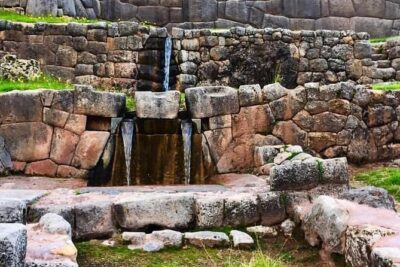
Cusco City Sightseeing, San Pedro Market, Cathedral and Qorikancha Temple
Read our review →
Cusco City Sightseeing and Sacsayhuaman Archeological Park Tour
Read our review →
Cusco 4-Hour Private Tour Including Sacsayhuaman and Qenqo
Read our review →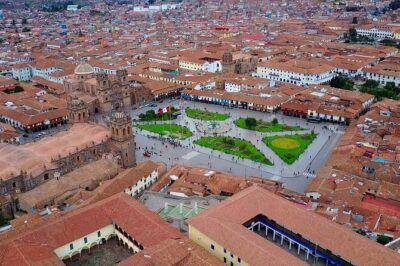
Browse the lists this tour appears in