
Reviewed · CUSCO CITY TOURS
Half-Day Cusco City Tour: Four Ruins, Cathedral and Qorikancha
Cusco reveals itself in layers. This six-hour tour links Inca ruins, Spanish churches, and high mountain views in one well-organized afternoon. I like the small maximum group of 12, which gives the guide room to explain details without turning every stop into a herd exercise. I also like the mix of city sights and hilltop ruins, especially Sacsayhuaman and Tambomachay.
The main catch is cost clarity. The advertised price of $19.25 covers transport and a bilingual English and Spanish guide, but entrance fees are extra. You will need 15 soles for Qorikancha and either a 70-sol two-day or 130-sol 10-day ticket for the archaeological sites. The schedule is also ambitious, so the quality of your experience depends heavily on the guide and the day’s pacing.
In This Review
- Key points to know before booking
- Why this tour works as a first look at Cusco
- Cusco Cathedral and the Spanish takeover of the main square
- Qorikancha, where gold once covered the walls
- Sacsayhuaman and the giant stones above Cusco
- Q’enqo and its mysterious carved channel
- Puka Pukara, the red fort on the Inca road
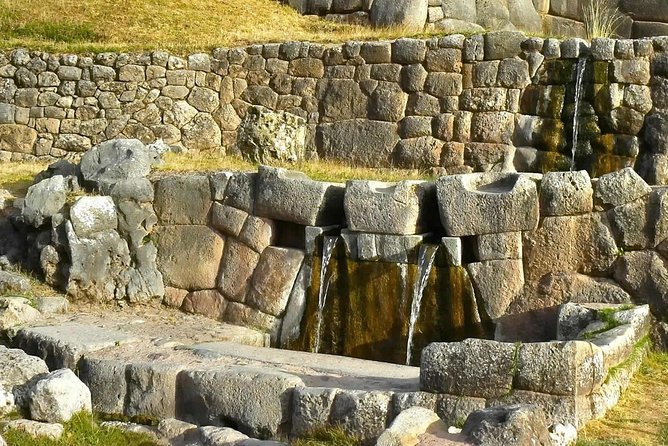
- Tambomachay and the water that still flows
- What the $19.25 price really covers
- Timing, pickup, and the small-group advantage
- Who should book this Cusco tour?
- Should you book it?
- FAQ
- How long does the Cusco City Tour last?
- What time does the tour begin?
- Where is pickup available?
- Is pickup available from an Airbnb?
- What is included in the tour price?
- Is Qorikancha admission included?
- How much is the archaeological-site ticket?
- How many people can join the tour?
Key points to know before booking
- Six stops in about six hours: You visit the Cathedral, Qorikancha, Sacsayhuaman, Q’enqo, Puka Pukara, and Tambomachay.
- Small group format: The maximum group size is 12 people, a useful limit for listening and asking questions.
- Afternoon departure: Pickup begins at 1:00 pm from hotels within Cusco’s historic center.
- Four archaeological sites: Sacsayhuaman, Q’enqo, Puka Pukara, and Tambomachay each show a different side of Inca planning and belief.
- Tickets are separate: Transport and guiding are included, but Qorikancha and archaeological-site admission are not.
- Guide quality matters: Past praise singled out guides Elizabeth and Paul for clear explanations, good pacing, and enthusiasm for Cusco.
Why this tour works as a first look at Cusco
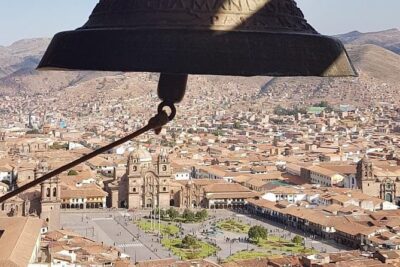
Cusco is not a place you understand from one plaza or one ruin. The city was the center of the Inca world, then became a major Spanish colonial center built directly over Inca foundations. This tour gives you both chapters in one afternoon.
I especially like the way the route moves from the central Plaza de Armas to the hills above the city. You begin with churches and colonial power, then see enormous stonework, ritual spaces, water channels, and former road stations. The result is a useful introduction rather than a single-site visit.
The tour starts at 1:00 pm, with pickup offered from hotels in the historic center. Private residences, such as Airbnb properties, and hotels outside that area are excluded from pickup. You should confirm the meeting arrangement before booking, since a convenient hotel pickup is not available to everyone.
The small group size is a real advantage. At 12 people or fewer, you can usually hear the guide more easily and keep the group moving through narrow or uneven archaeological areas. The experience is offered in English, with a bilingual English and Spanish guide.
One caution: the published timing totals about six hours, but the stop lengths add up to several hours before allowing for driving and transitions. That means you should expect an efficient schedule. This is a broad overview of Cusco, not a slow, solitary archaeological study.
More Cusco city tours:
- Cusco: Half-Day City Tour with Sacsayhuaman and Q’enco
★ 4.6 · 1,129 reviews - City Tour Cusco Qoricancha Sacsayhuaman y Tambomachay
★ 4.7 · 617 reviews - Cusco City Tour Four Ruins in Half-Day
★ 5.0 · 530 reviews
Cusco Cathedral and the Spanish takeover of the main square
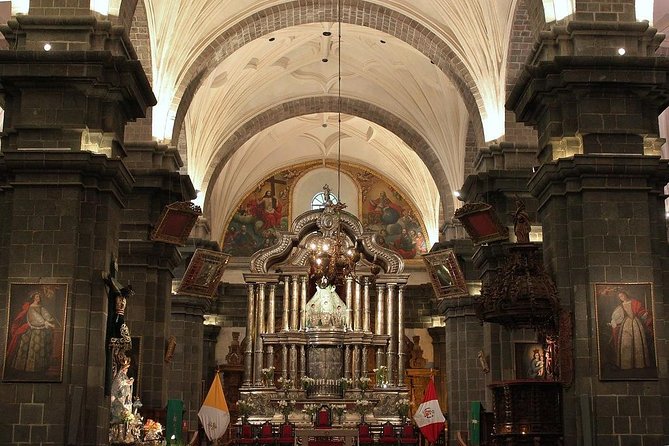
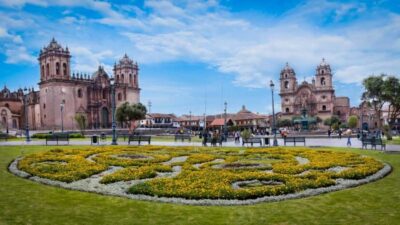
Your city-center visit begins at Cusco Cathedral, where the history is hard to separate from conquest. The cathedral was built on the site of Kiswarkancha, the palace and temple associated with Viracocha, an Inca ruler. Construction began in 1559 and finished in 1654.
The location was chosen for a clear reason. The Spanish removed an important Inca religious building and replaced it with a Catholic cathedral on the city’s main square. Much of the labor came from the Quechua population, only a few decades after the Spanish entered Cusco.
The building follows a Latin-cross plan, with three aisles and a large interior supported by 14 pillars. Its Gothic-Renaissance form reflects Spanish design from the conquest period, while the facade also shows Baroque influence. The church occupies a major position on the Plaza de Armas, so the setting itself helps explain how colonial power was planted at the center of the old Inca capital.
Look closely for traces of local symbolism. A carved jaguar head appears on the cathedral doors, a small but telling example of Inca imagery surviving within a Christian building. Stones from Sacsayhuaman were also used in the cathedral, and even sacred sand from the main plaza was reportedly taken for the mortar.
The stop lasts about 45 minutes. Admission is not included, so you should budget separately for the cathedral entrance. The tour description does not give a cathedral ticket price, so check the current charge when you book or arrive.
This is a good stop for anyone who wants more than pretty church architecture. The cathedral is also a lesson in how the Spanish reshaped Cusco while relying on Inca labor and materials. If you prefer ruins to interiors, the time here may feel long. If you want political and religious context, it is essential.
Qorikancha, where gold once covered the walls
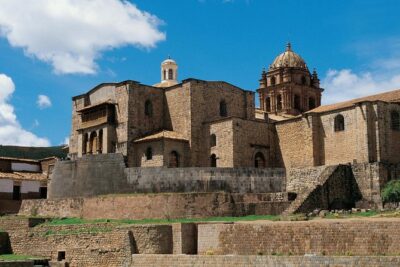
Qorikancha was originally called Intikancha or Intiwasi and was dedicated to Inti, the sun god. It was one of the most important religious places in the Inca capital. Spanish accounts describe walls covered in sheets of gold, along with precious objects, sacred figures, and royal mummies.
Most of that wealth disappeared after the conquest. Gold from Qorikancha formed part of the ransom demanded for Atahualpa, and the Spanish later built the Church of Santo Domingo over the site. The church used the Inca foundations, creating one of Cusco’s most striking examples of two civilizations occupying the same footprint.
The Inca stonework is the real star here. The builders used carefully fitted ashlar masonry, with stones cut to similar shapes and fitted tightly together. This required enormous labor and showed the state’s ability to organize workers across the empire. Earthquakes damaged the colonial church, but the Inca walls survived because of their interlocking construction.
You may also be able to visit the nearby underground archaeological museum, which contains mummies, textiles, and sacred idols from the site. The supplied tour details do not confirm whether museum entry is part of the Qorikancha ticket, so check locally.
The stop lasts about 45 minutes, and admission costs 15 soles separately. That extra charge is modest, but it matters when you calculate the actual price of the tour. I consider Qorikancha one of the most valuable additions to the route because it shows the collision of Inca engineering, religion, Spanish conquest, and colonial building in one compact site.
Sacsayhuaman and the giant stones above Cusco
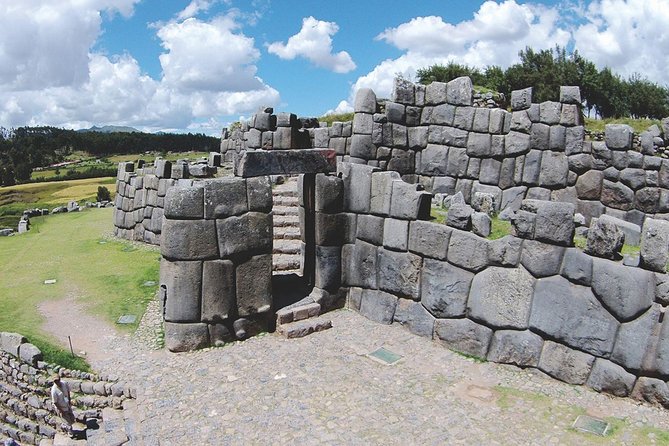
From the city, the route climbs toward Sacsayhuaman. The Quechua name is commonly translated as place where the hawk is satiated. The site was once described as a fortress because of its military appearance, but its full purpose was likely broader. Sacred buildings, towers, roads, aqueducts, storage areas, and residential structures formed part of the complex.
The main zigzag wall is the unforgettable feature. Some stones reach about five meters high and 2.5 meters wide, with individual blocks estimated at 90 to 125 tons. The scale makes the usual word fortress feel too simple. This was also a ceremonial and political statement, showing the power needed to move, shape, and fit such massive stones.
The 400-meter polished wall on the south side is another impressive section. From the site, you get broad views over Cusco and toward peaks including Ausangate, Pachatusán, and Cinca. These mountains held sacred meaning for the Incas, so the setting was part of the site’s importance.
The visit lasts about an hour. You should expect a large open archaeological area rather than a single enclosed monument. The explanation from the guide is valuable here because the stones are spectacular, but their purpose is not always obvious from a quick look.
Sacsayhuaman is also the stop most likely to make the tour feel worth its extra site-ticket cost. If you have limited time in Cusco, this is the ruin I would prioritize. The drawback is that a one-hour visit cannot cover every corner, and the high setting may feel demanding before you have adjusted to Cusco’s altitude.
More city tours in Cusco:
- Cusco: Sightseeing Tour of the City on an Open-Top Bus
★ 4.0 · 481 reviews - Open Bus Cusco City Tour
★ 4.5 · 219 reviews - Cusco: City Tour | Half-Day Tour to 4 Archaeological Sites
★ 4.6 · 206 reviews - City Tour in Cusco & visit Museum South American Camelid Private.
★ 5.0 · 147 reviews
Q’enqo and its mysterious carved channel
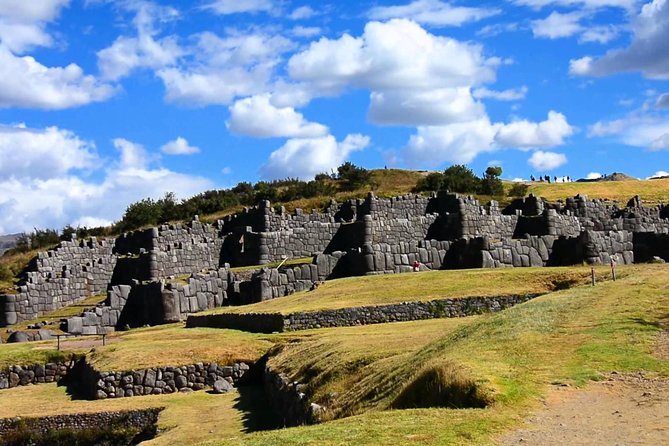
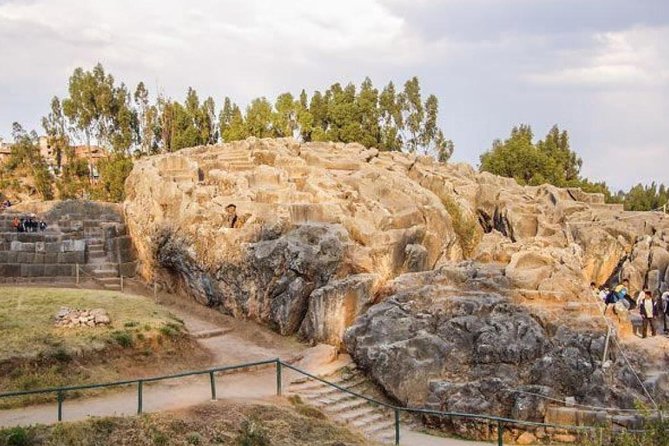
Q’enqo is smaller and stranger. Its Quechua name means labyrinth or zigzag, referring to a crooked channel cut into the rock. The channel carried some kind of liquid, but its exact use remains uncertain. The possibilities include holy water, chicha, or blood, all of which point toward ritual activity.
The site was carved from a huge natural monolith. Man-made tunnels and chambers work together with the existing rock, giving Q’enqo a different character from the clean terraces of Tambomachay or the immense walls of Sacsayhuaman.
One chamber contains 19 small niches and resembles an amphitheater. Its purpose is also unclear, though it may have been used for ceremonies connected to the sun, moon, and stars. The strongest explanations here are careful ones. A good guide should distinguish between what is known and what remains a theory.
Q’enqo receives about an hour in the schedule. That gives you time to inspect the carved rock and hear the leading ideas about its rituals, but not necessarily to linger at every feature. I like this stop because it adds uncertainty to the tour. Not every Inca site comes with a neat answer, and the mystery is part of the appeal.
Puka Pukara, the red fort on the Inca road
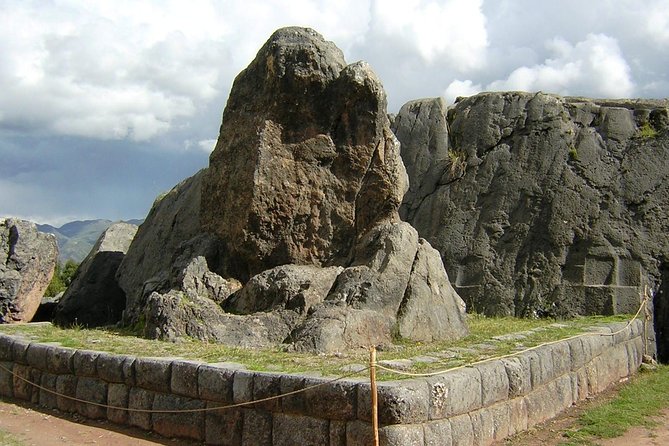
Puka Pukara means red fort, a name tied to the reddish soil and the site’s position. It contains courtyards, canals, aqueducts, baths, rooms, platforms, and a section of the ancient Inca road network known as Qhapaq Ñan.
Unlike the precise, tightly fitted blocks at Qorikancha, Puka Pukara uses smaller and medium-sized stones with a rougher surface. Three irregular walls create three levels. The builders shaped the plan around existing rocks rather than cutting through them, producing a practical layout that follows the site.
The complex may have served as a military post, a stopping place, or a tambo, meaning an inn or hostel along the road. One account connects it with the Inca’s visits to the baths at Tambomachay, when soldiers and dancers waited here as part of the larger entourage.
Puka Pukara is less grand than Sacsayhuaman, but it helps you understand how the Inca state functioned. Roads, lodging, water, and organized movement mattered just as much as temples and palaces. The hilltop setting also gives you another view across the Cusco area.
The scheduled visit is about an hour. If you are mainly interested in monumental stonework, this may be a quieter stop. If you enjoy seeing how an empire managed roads and officials, it earns its place.
Tambomachay and the water that still flows
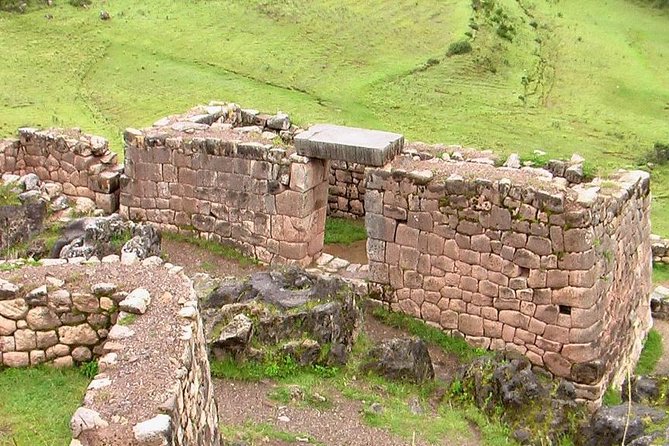
Tambomachay is the final archaeological stop and sits about four miles north of Cusco at roughly 12,150 feet, or 3,700 meters. Its three stepped terraces contain precise stonework, trapezoidal niches, channels, aqueducts, and small waterfalls fed by a natural spring.
The site is also called El Baño del Inca, or the Bath of the Inca. One theory says it served as a spa for the ruler and Inca nobility. Other ideas describe it as a ceremonial place or military outpost. The quiet setting and constant water make the bathing theory plausible, but the site may have served several purposes.
Tambomachay offers a good final contrast with the earlier stops. At Sacsayhuaman, the message is mass and power. At Q’enqo, it is ritual mystery. Here, the emphasis is controlled water, elegant stonework, and a more peaceful setting.
The visit lasts about 45 minutes. Since the site is high, you should pay attention to how you feel, especially if Cusco is new to you. The tour is presented as suitable for most people, but no detailed accessibility information is provided.
What the $19.25 price really covers
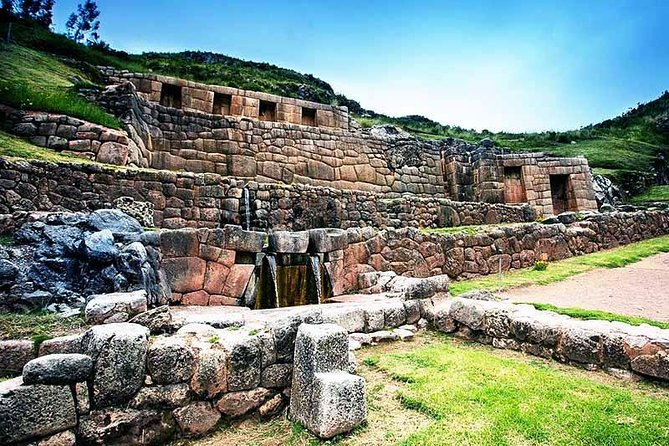
At $19.25 per person, the base price is attractive for a six-hour guided route with transportation. You are paying for the vehicle, the bilingual guide, and the convenience of linking six locations that would be awkward to arrange in one afternoon.
The final cost is higher. Add 15 soles for Qorikancha, plus 70 soles for a two-day archaeological-site ticket or 130 soles for a 10-day ticket. Cathedral admission is also separate, with no price stated in the available details.
That makes the tour best for you if you value saved planning time and a structured explanation of the sites. It is less compelling if you already have transport, know Cusco well, or want to choose your own stopping times.
The two-day ticket can be sensible if you plan to return to the ruins soon. The 10-day option may suit a longer Cusco stay, but you should compare it with your wider plans before paying. The tour itself does not require that you buy the longer ticket unless you want its added validity.
Timing, pickup, and the small-group advantage
The tour begins at 1:00 pm and lasts about six hours. That means you should keep the afternoon and evening free. The exact time at each location may shift because the group must cover city traffic, hill roads, and six separate stops.
Pickup is offered only from hotels within the historic center of Cusco. If you are staying outside that zone or in a private residence, you will need to clarify where to meet. Confirmation is provided when you book.
The maximum of 12 people is one of the strongest practical features. The route includes places where a guide’s explanation adds real value, particularly Qorikancha, Q’enqo, and Sacsayhuaman. A smaller group also makes it easier to stay together when the guide gives instructions.
Guide quality remains important. Elizabeth has been praised for making the city tour engaging, while Paul has been described as a Cusco local who combines historical explanation with time for independent exploration. Those comments suggest what you should hope for: clear context, not a nonstop lecture.
The tour is non-refundable and cannot be changed after booking. Take that seriously before paying, especially because the price is charged in full even if you cancel or request an amendment.
Who should book this Cusco tour?
I would choose this experience if you are visiting Cusco for the first time, want a broad introduction, and prefer someone else to handle the transport. It also suits you if you want both colonial architecture and Inca sites without spending several days arranging separate visits.
It is a good fit for anyone interested in how Spanish buildings reused Inca foundations. The Cathedral and Qorikancha provide that story in the city, while the four outer sites show engineering, ceremony, water control, roads, and military planning.
I would hesitate if you want long, quiet visits at each ruin. Six locations in roughly six hours is a lot. I would also think twice if your accommodation falls outside the pickup zone or if you need a flexible cancellation policy.
Should you book it?
Book this tour if you want efficient coverage, guided context, and simple transport at a low starting price. Sacsayhuaman, Qorikancha, and Tambomachay give the route real variety, while the small group keeps it more personal than a large coach outing.
Before booking, set aside money for the 15-sol Qorikancha fee, the archaeological ticket, and the separate cathedral admission. If you accept the brisk schedule and non-refundable terms, this is a practical way to get your Cusco bearings and see the city’s major Inca-era sites in one afternoon.
FAQ
How long does the Cusco City Tour last?
The tour lasts approximately six hours.
What time does the tour begin?
The scheduled start time is 1:00 pm.
Where is pickup available?
Pickup is available from hotels within Cusco’s historic center.
Is pickup available from an Airbnb?
No. Pickup is not included from private residences such as Airbnb properties.
What is included in the tour price?
Transport and a bilingual English and Spanish guide are included.
Is Qorikancha admission included?
No. Qorikancha admission costs 15 soles and must be paid separately.
How much is the archaeological-site ticket?
The site ticket costs 70 soles for two days or 130 soles for ten days.
How many people can join the tour?
The group has a maximum of 12 people.
Just added in Cusco
- Private Transfer from Airport to Hotel in the City of Cusco★ 4.0 · 5 reviews
- Best Cusco walking tour: dinner street food tasting★ 4.5 · 11 reviews
- Cusco Private Transportation for 2026★ 5.0 · 4 reviews
- Private Tour to Pisac Market and Pisac Ruins★ 5.0 · 4 reviews
- Machu Picchu Day Trip With Panoramic Train from Cusco★ 5.0 · 10 reviews
- Sacred Valley Private Tour from Cusco, Guide and Driver only★ 5.0 · 4 reviews
- Sacred Valley of the Incas Tour★ 5.0 · 12 reviews
- Private Tour of the Mountain of Colours by Quad★ 5.0 · 7 reviews
Cusco City Tours, compared.
Half-Day City Tour with Sacsayhuaman and Q’enco
Read our review →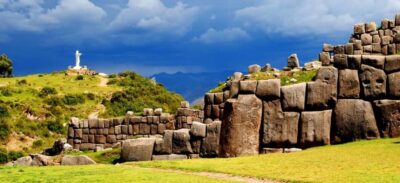
City Tour Cusco Qoricancha Sacsayhuaman y Tambomachay
Read our review →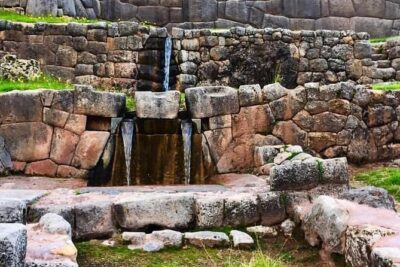
Cusco City Sightseeing, San Pedro Market, Cathedral and Qorikancha Temple
Read our review →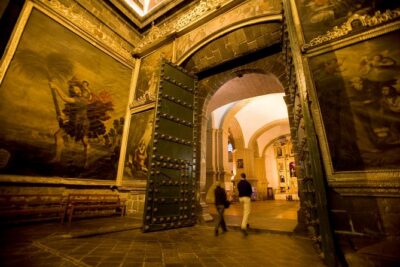
Cusco City Sightseeing and Sacsayhuaman Archeological Park Tour
Read our review →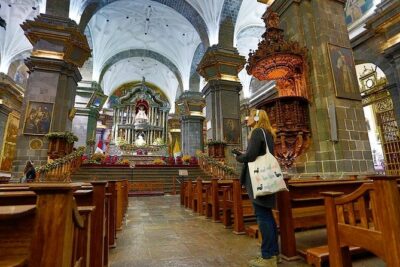
Cusco 4-Hour Private Tour Including Sacsayhuaman and Qenqo
Read our review →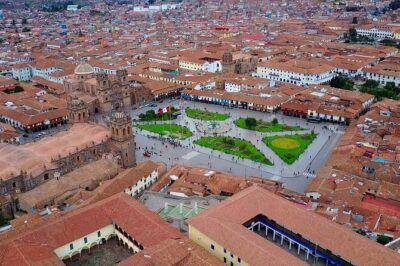
Browse the lists this tour appears in