
Reviewed · CUSCO CITY TOURS
Half day – Cusco City Tour – Private Service
Cusco rewards a guided first look. This private half-day tour brings you from the cathedral and Qorikancha to four hilltop archaeological sites, and I like the hotel pickup and the chance to travel with only your own group. I also like the choice of morning or afternoon departure, which makes it easier to fit around trains, flights, or a longer Cusco visit.
The main catch is cost. At $101.37 per person, this is not the cheapest way to see Cusco, and entrance tickets are extra. You will also need to allow time for the high-altitude setting and the stop-and-go rhythm of six different sights.
Still, this is a useful orientation tour. Guides such as René Ferdinand, Mariela, Corina, Gennri, Rolly Carrasco, and Edward have been praised for making the past feel connected to local life, not just a list of dates and stones.
In This Review
- Six useful things to know before booking
- Why this private Cusco tour works as an introduction
- Cusco Cathedral and the city’s colonial art
- Qorikancha, where Inca and Spanish Cusco meet
- Sacsayhuaman and the scale of Inca stonework
- Q’enqo, a smaller site with a religious purpose
- Puka Pukara, the reddish control point
- Tambomachay and the sacred role of water
- What the guides add to the day
- The real cost at $101.37 per person
- Morning or afternoon: choosing the better departure
- Who should book this Cusco city tour?
- My booking verdict
- FAQ
- How long does the Cusco City Tour last?
- Is this a private tour?
- What transport is provided?
- Is hotel pickup included?
- Which sites are visited?
- Are entrance tickets included?
- Are meals and snacks included?
- Can I choose a morning or afternoon departure?
- Does the tour end in Cusco?
- What is the cancellation policy?
Six useful things to know before booking
- Six major sights in about five hours: The route covers Cusco Cathedral, Qorikancha, Sacsayhuaman, Q’enqo, Puka Pukara, and Tambomachay.
- A private experience: Only your own group takes part, so you can ask questions and discuss the pace with your guide.
- Two very different sides of Cusco: You see Spanish colonial religion in the center, then Inca architecture and sacred sites beyond town.
- A strong guide can make the difference: Edward’s background in architecture and Inca engineering, and Rolly’s focus on local emotions and traditions, show the value of personal interpretation.
- Tickets are not included: You pay separately for Qorikancha, the cathedral, and the four archaeological sites.
- Plan for photos and altitude: One past guest advised bringing plenty of battery power and storage, while another praised Gennri for adjusting the pace during altitude sickness.
Why this private Cusco tour works as an introduction
Cusco can feel confusing at first. Spanish churches sit on older Inca foundations. Narrow streets lead toward grand plazas, while huge stone complexes occupy the hills outside town. This tour gives you a broad first picture in a single outing.
The route has a sensible shape. You begin with the colonial and religious center, then move to Qorikancha, the most important Inca temple on the schedule. From there, the tour heads toward the four archaeological sites north of Cusco.
That combination matters. If you only visit the central attractions, you miss the scale of Inca construction. If you only visit the ruins, you lose the story of how Cusco changed after the Spanish conquest. Here, the two sides are placed next to each other.
The private format is especially useful for couples, families, and small groups with specific interests. You are not sharing the outing with unrelated passengers, and the guide can spend more time on the subjects that interest you. A family may want stories and visual details, while architecture fans may prefer a closer look at stonework and engineering.
The vehicle is described as a bus for 15 to 25 people. That is its stated capacity, not necessarily the size of your party. Since the activity is private, only your group participates, but you should confirm the exact vehicle arrangement when booking if transport space matters to you.
More Cusco city tours:
- Cusco: Half-Day City Tour with Sacsayhuaman and Q’enco
★ 4.6 · 1,129 reviews - City Tour Cusco Qoricancha Sacsayhuaman y Tambomachay
★ 4.7 · 617 reviews - Cusco City Tour Four Ruins in Half-Day
★ 5.0 · 530 reviews
Cusco Cathedral and the city’s colonial art
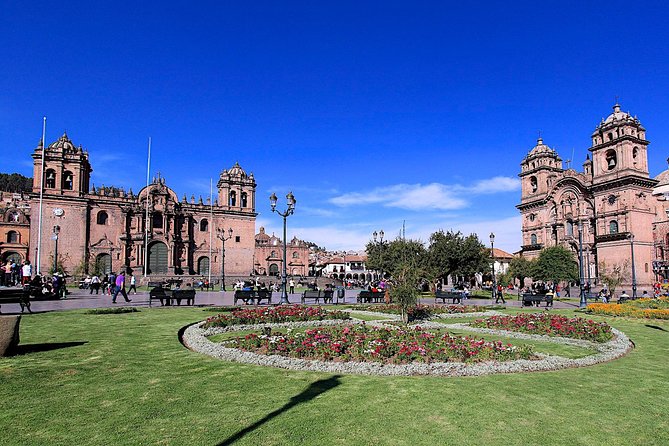
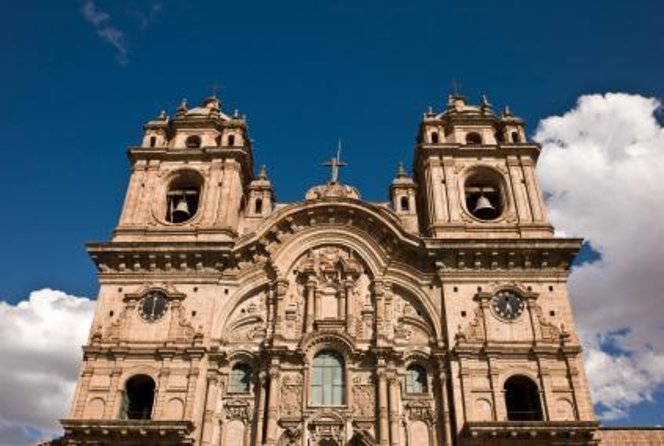
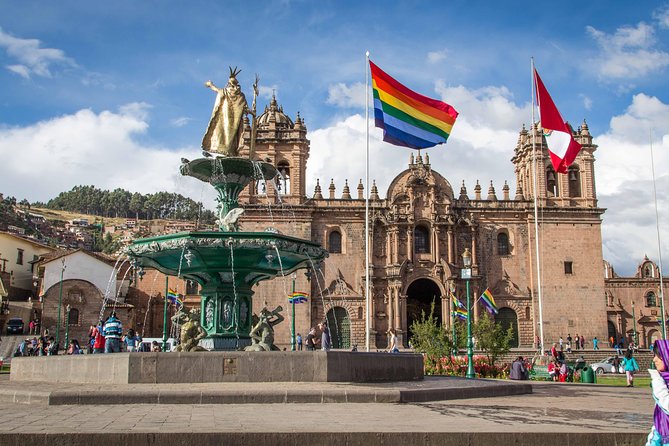
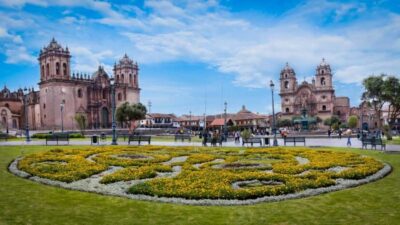
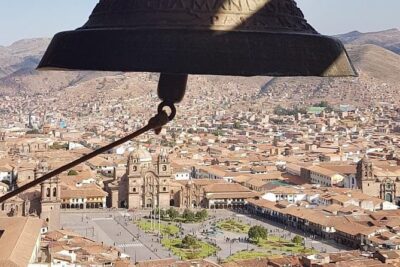
The cathedral is the first major stop, with about an hour set aside for the visit. Construction began in 1560, and the building is home to roughly 300 paintings connected with the Cusqueña School.
That collection gives the cathedral more weight than a quick church photo stop. You can expect your guide to help explain how European religious subjects were interpreted by artists working in Cusco. The result is a distinctly local form of colonial art, shaped by both Spanish Catholicism and Andean culture.
The cathedral is also a good place to begin because it anchors you in the city center. After seeing the church, you can better understand why Cusco became such an important religious and political center during the colonial period.
Allow for the fact that the entrance fee is not included. The tour price covers the guide and transport, but you pay separately to enter the cathedral. If you are watching your spending, check the current combined cost of all required admissions before committing.
An hour is enough for a guided introduction, though art lovers may wish they had longer. This is one of the points where the private format helps: you can ask your guide to focus on paintings, architecture, or the historical changes that matter most to you.
Qorikancha, where Inca and Spanish Cusco meet
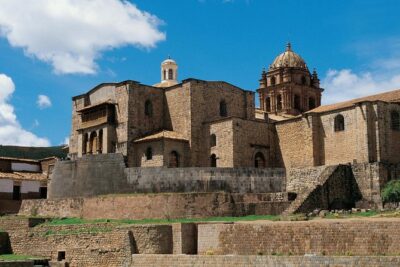
Qorikancha receives another hour. This was an exquisite Inca temple, and its remains are now closely tied to the colonial church and buildings that followed.
The site is valuable because it shows the physical layering of Cusco. You are not simply looking at an isolated ruin. You are seeing how a sacred Inca place was incorporated into a later Spanish religious setting.
A good guide can make the stonework easier to read. Look for the precision of the masonry, the careful fitting of stones, and the contrast between Inca construction and later additions. This is a place where a few well-chosen explanations can save you from walking through without grasping what you are seeing.
The entrance ticket is separate. That matters because Qorikancha, the cathedral, and the four outer archaeological sites all add to the final cost.
The schedule gives Qorikancha equal time with the cathedral, which feels right. Both are central to understanding Cusco, but they tell different stories. The cathedral presents the city through colonial religious art. Qorikancha points back to the planning, beliefs, and building skill of the Inca world.
Sacsayhuaman and the scale of Inca stonework
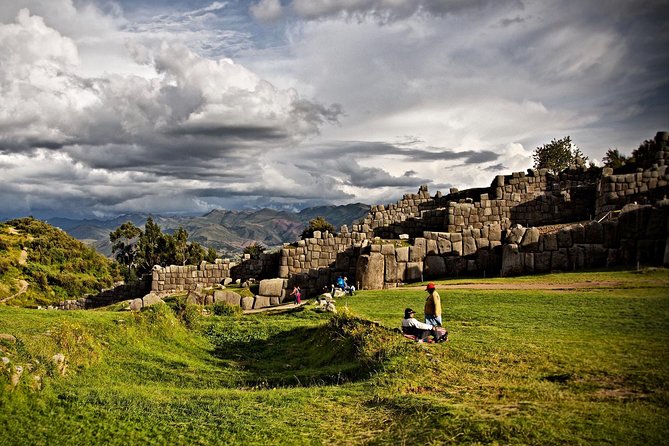
Sacsayhuaman is allotted about 40 minutes within a one-hour stop. It is the largest and most visually powerful of the four outer sites on this route.
The headline detail is the stone. Some blocks are said to weigh up to 120 tons. You do not need to be an engineer to appreciate the problem: these massive pieces were shaped and fitted with remarkable precision, long before modern construction equipment.
This is also the stop where a guide’s training can add real value. Edward, one of the guides associated with this experience, has a master’s degree in architecture and Inca engineering. His background is particularly suited to explaining how the walls were built and why their design matters.
You will want camera space here. The views and scale invite plenty of photographs, and one enthusiastic guest specifically advised arriving with a full battery and enough storage. That is simple advice, but useful. Six stops can produce a surprisingly large collection of images.
The drawback is time. Forty minutes at the main complex may feel brief if you want to walk widely or examine every wall. The tour is designed as a survey, not a slow archaeological study. If Sacsayhuaman is your main priority, ask how much time your private group can reasonably spend there.
More city tours in Cusco:
- Cusco: Sightseeing Tour of the City on an Open-Top Bus
★ 4.0 · 481 reviews - Open Bus Cusco City Tour
★ 4.5 · 219 reviews - Cusco: City Tour | Half-Day Tour to 4 Archaeological Sites
★ 4.6 · 206 reviews - City Tour in Cusco & visit Museum South American Camelid Private.
★ 5.0 · 147 reviews
Q’enqo, a smaller site with a religious purpose
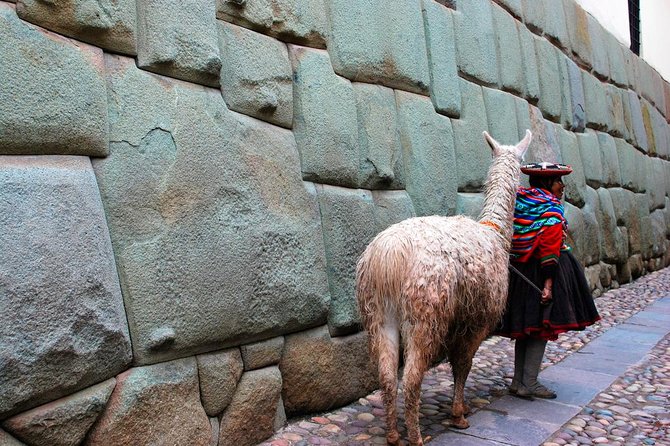
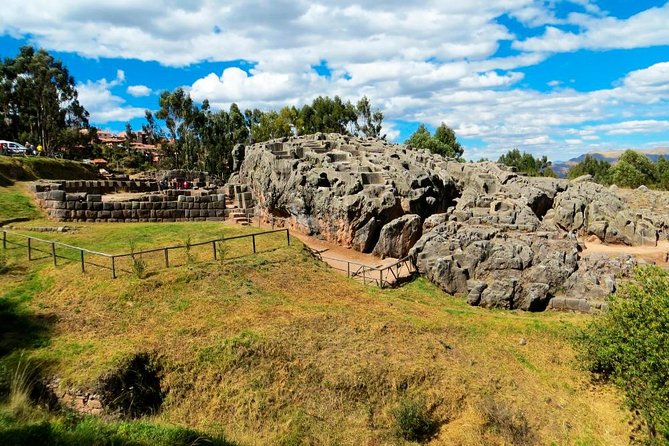
Q’enqo receives about 30 minutes. The name is often associated with a labyrinth, and the place served as a religious center linked with the worship of the Earth.
This is a smaller and more intimate stop than Sacsayhuaman. Its interest comes less from grand scale and more from the way stone, carved spaces, and ritual use come together.
Thirty minutes can work well here. You get enough time to hear the explanation, look closely, and take photographs without allowing a smaller site to consume the schedule. Still, the meaning of Q’enqo may not be obvious at first glance, so listen closely to the guide.
This is where the quality of your explanation matters most. Without context, you might see a series of rocks and passages. With a good guide, the site becomes part of a larger picture of Andean beliefs and the way sacred places were chosen and shaped.
Puka Pukara, the reddish control point
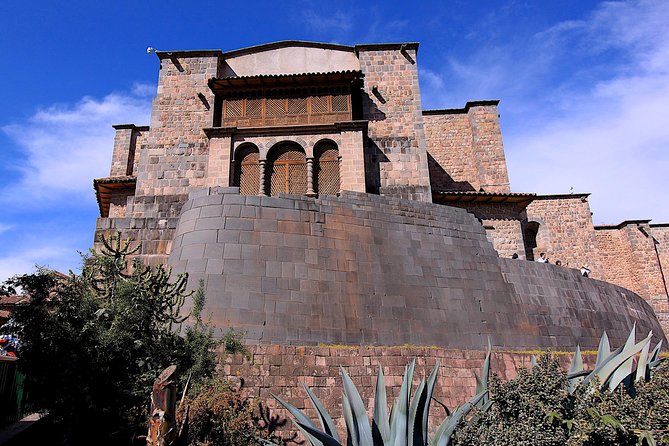
Puka Pukara is scheduled for about 20 minutes. Its name means reddish place, and it was used as a military control center.
This is a quick stop, but it helps you understand that the sites around Cusco were not all temples. Some had practical roles connected with movement, protection, and control of routes.
Twenty minutes is enough for a short explanation and a look around. You should not expect a long walk or an extended visit. The appeal is the connection between the site and the wider network around Cusco.
The short timing also keeps the overall outing manageable. Six attractions in five hours require discipline. If every stop lasted an hour, the tour would become tiring and much longer than advertised.
Tambomachay and the sacred role of water
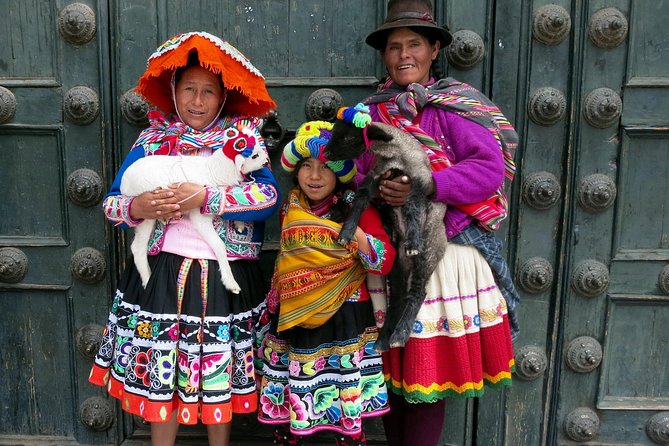
Tambomachay is the final listed stop, with about 20 minutes devoted to it. It is described as a temple of water, a place connected with worship and reverence for this essential resource.
That purpose gives the stop a different mood from Puka Pukara. One focuses on control and defense. The other points toward ceremony, nature, and the importance of water in Andean life.
The visit is short, so you will want to stay near your guide and make the most of the explanation. Tambomachay is not the place to rush off for a distant photograph and expect to catch every detail afterward.
Taken together, Q’enqo, Puka Pukara, and Tambomachay show why the outer route works as a group. Each site is modest in duration, but each represents a different aspect of the world around Cusco: religion, defense, and water worship.
What the guides add to the day
The strongest part of this experience is likely to be the guide. The sites are impressive, but their meaning is not always clear without help.
René Ferdinand has been praised for his local connection and his ability to explain Cusco and Inca history in an engaging way. Mariela has been described as friendly and well informed, with a strong grasp of local history and culture. Corina has also been praised for making a family feel welcome while explaining the city.
Gennri is a particularly useful name to know if you are concerned about pace. He has been praised for being caring and considerate with a guest dealing with altitude sickness. That does not mean every guide can solve altitude problems, but it does suggest that you should speak up if you feel unwell.
Rolly Carrasco’s approach focuses not only on historical events, but also on the feelings and experiences of people who lived, and still live, in the area. That kind of storytelling can help you connect the monuments with present-day Cusco rather than treating them as frozen relics.
Edward’s architecture and Inca engineering background may appeal to anyone who wants more than general commentary. He has also been praised for offering practical suggestions about dining and things to do in Cusco, and for timing a site visit carefully around a later departure.
Guide assignments are not guaranteed from the information provided. You can request a particular guide when booking, but it is wise to treat that as a preference rather than a promise.
The real cost at $101.37 per person
The listed price is $101.37 per person. For a private five-hour outing with transport and a professional guide, that can be fair value for a couple or small group that wants comfort and focused attention.
It becomes less attractive if you are traveling alone or trying to keep costs low. The price does not include the entrance to Qorikancha, the main cathedral, or the four archaeological sites. Tips, meals, and snacks are also separate.
I would compare the price against your priorities. You are paying for more than admission. You are paying for hotel pickup and return, a dedicated vehicle, route planning, and someone who can interpret the sites in real time.
The value is strongest when you want a clear introduction and do not want to organize separate taxis, tickets, and explanations. It is weaker if you prefer to move slowly, spend long periods at one site, or explore independently.
There is no meal included, so eat before departure or carry a snack. The tour is roughly five hours, and the schedule has little room for a proper meal break.
Morning or afternoon: choosing the better departure
The choice of morning or afternoon makes this tour easier to fit into a larger Cusco plan. A morning outing can help you get oriented early in your stay, while an afternoon departure may work better after a relaxed start or another morning activity.
You should match the timing to your arrival and departure plans. Hotel pickup and drop-off are provided, and the activity ends back at the meeting point in Cusco, but the exact meeting arrangement should be confirmed with the provider.
The schedule is also useful after a major excursion. If you have just returned from Machu Picchu or another long outing, you may prefer an afternoon city tour rather than stacking another early start onto an already full day.
Weather matters. The experience requires good weather, and if conditions cause cancellation, you are offered another date or a full refund.
Who should book this Cusco city tour?
I would recommend it to first-time visitors who want the main sights explained in one organized outing. It is also a good fit for families, couples, and groups that value a private guide rather than a large shared tour.
It suits you especially well if you want:
- A broad introduction to colonial and Inca Cusco
- Hotel pickup and return
- A private activity for your own group
- A guide who can answer questions
- A flexible morning or afternoon option
- A practical route through six important sites
I would hesitate if you have already spent several days visiting Cusco’s main attractions or if you want long, quiet visits at each site. The route covers a lot, but the outer stops are necessarily brief.
You should also budget for all admissions before booking. The advertised price is not the final price once the cathedral, Qorikancha, and archaeological entrance fees are added.
My booking verdict
I would book this as an opening half-day in Cusco, especially if I wanted a private guide to explain how the city’s Inca and colonial layers fit together. The praise for guides such as René, Mariela, Corina, Gennri, Rolly, and Edward gives me confidence that the human side of the tour can be its greatest strength.
The main caution is value. At $101.37 per person before tickets, meals, snacks, and tips, it asks more than a basic shared sightseeing ride. Book it if personal attention, simple transport, and strong interpretation matter to you. Skip it if you prefer independent exploring or need the lowest possible price.
Free cancellation is available up to 24 hours before the start time for a full refund. Changes or cancellations made inside that window are not accepted for a refund.
FAQ
How long does the Cusco City Tour last?
The tour lasts approximately five hours.
Is this a private tour?
Yes. Only your group participates in this activity.
What transport is provided?
Transport is provided by bus for 15 to 25 people, along with a professional tour guide.
Is hotel pickup included?
Yes. Convenient hotel pickup and drop-off are included.
Which sites are visited?
The route visits Cusco Cathedral, Qorikancha, Sacsayhuaman, Q’enqo, Puka Pukara, and Tambomachay.
Are entrance tickets included?
No. Entrance to Qorikancha, the main cathedral, and the four archaeological sites is not included.
Are meals and snacks included?
No. Meals and snacks are not included.
Can I choose a morning or afternoon departure?
Yes. The tour offers a choice of morning or afternoon departure.
Does the tour end in Cusco?
Yes. The activity ends back at the meeting point in Cusco.
What is the cancellation policy?
You can cancel up to 24 hours before the experience begins for a full refund. Cancellations or changes made less than 24 hours before the start time are not accepted, and poor weather may result in a new date or a full refund.
Just added in Cusco
- Cusco Private Transportation for 2026★ 5.0 · 4 reviews
- Private Transfer from Airport to Hotel in the City of Cusco★ 4.0 · 5 reviews
- Best Cusco walking tour: dinner street food tasting★ 4.5 · 11 reviews
- Private Tour to Pisac Market and Pisac Ruins★ 5.0 · 4 reviews
- Machu Picchu Day Trip With Panoramic Train from Cusco★ 5.0 · 10 reviews
- Sacred Valley Private Tour from Cusco, Guide and Driver only★ 5.0 · 4 reviews
- Sacred Valley of the Incas Tour★ 5.0 · 12 reviews
- Private Tour of the Mountain of Colours by Quad★ 5.0 · 7 reviews
Cusco City Tours, compared.
Half-Day City Tour with Sacsayhuaman and Q’enco
Read our review →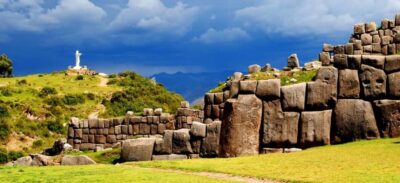
City Tour Cusco Qoricancha Sacsayhuaman y Tambomachay
Read our review →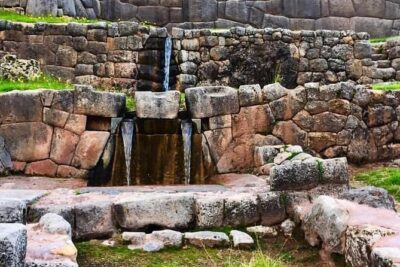
Cusco City Sightseeing, San Pedro Market, Cathedral and Qorikancha Temple
Read our review →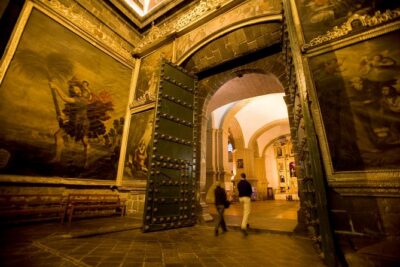
Cusco City Sightseeing and Sacsayhuaman Archeological Park Tour
Read our review →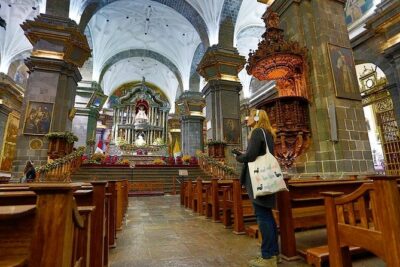
Cusco 4-Hour Private Tour Including Sacsayhuaman and Qenqo
Read our review →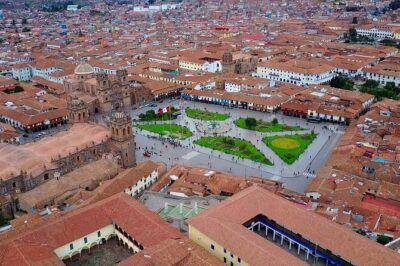
Browse the lists this tour appears in