Reviewed · HALF-DAY
Private Half-Day Tour of Cusco and Its Surroundings
Cusco reveals its layers quickly. This five-hour private tour gives you a useful first look at the city’s Incan foundations, Spanish colonial center, and nearby hilltop sites. I especially like the small private vehicle, which keeps the day flexible for a group of one to six, and the hotel pickup and drop-off, a real help in a city where traffic and steep streets can make getting around tiring.
I also like the clear mix of major sights: Cusco Cathedral and Qorikancha in town, followed by Sacsayhuaman, Q’enqo, Puka Pukara, and Tambomachay outside the center. The main consideration is cost beyond the $65 tour price. Entrance fees are extra, and visiting every listed site can add PEN130 per person, or PEN200 if you also enter the three sites covered by the Cusco Tourist Ticket.
In This Review
- Key things to know before booking
- Why this five-hour route works well
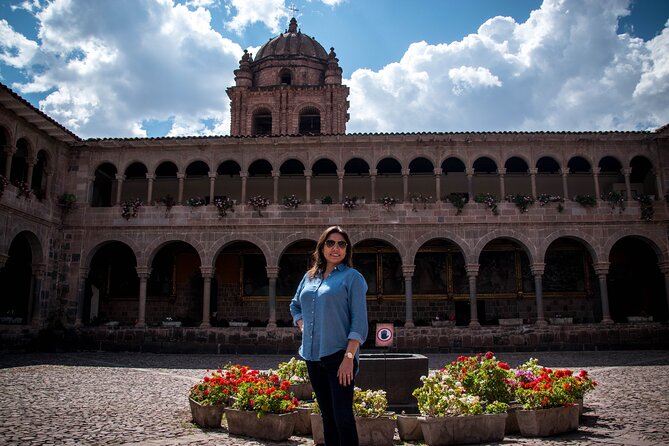
- Cusco Cathedral: the colonial starting point
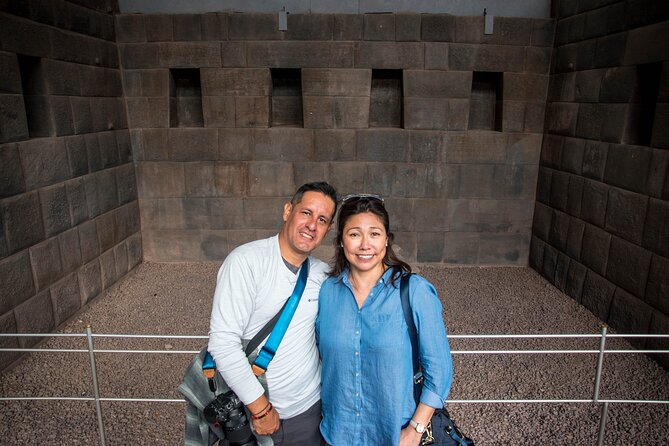
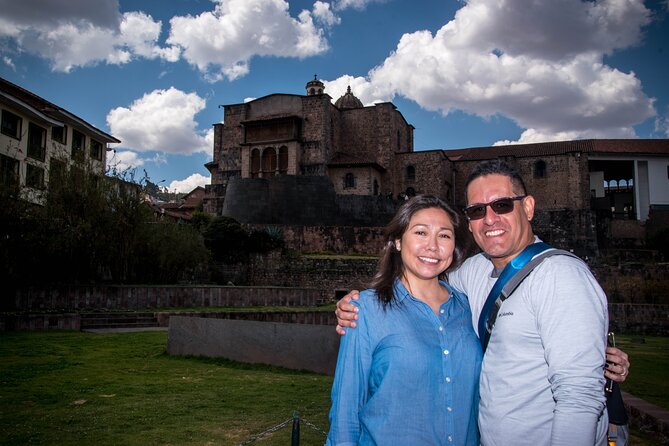
- Qorikancha: where Inca stonework meets colonial power
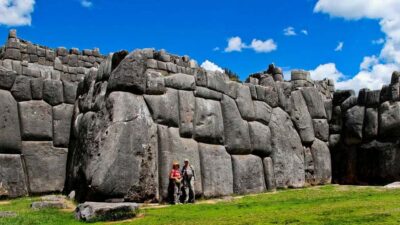
- Sacsayhuaman: huge stones above Cusco
- Q’enqo: a ceremonial site with winding passages
- Puka Pukara: a military post and resting place
- Tambomachay: water, rest, and control
- What the $65 price really includes
- Timing, traffic, and the private advantage
- Who should book this Cusco tour?
- Should you book it?
- FAQ
- How long is the Private Half-Day Tour of Cusco and Its Surroundings?
- Is hotel pickup included?
- How many people can join the private tour?
- Which attractions are included in the route?
- Are entrance fees included in the tour price?
- Is lunch included?
- Is the tour offered in English?
- What is the cancellation policy?
Key things to know before booking
- A private group of up to six: You avoid a large coach group and share the vehicle only with your own party.
- Six substantial stops in five hours: The schedule gives each site about 30 minutes, so expect an efficient overview rather than a slow archaeological visit.
- Three separate entrance costs: Cathedral admission is PEN40, Qorikancha is PEN20, and the Cusco Tourist Ticket is PEN70 per person.
- Guide Will received special praise: One published comment highlights his strong knowledge of Cusco and his enthusiastic way of explaining the city.
- The route connects city and countryside: You begin with colonial and Incan sites in central Cusco, then head to four major Inca places in the hills.
- Hotel transport is included: Pickup and return to your hotel or a nearby place make this a practical first-day orientation.
Why this five-hour route works well
Cusco is not a place you understand by seeing only one monument. The city’s center is Spanish in appearance, but Inca stonework often forms the base beneath churches and colonial buildings. Outside town, the surrounding hills hold fortresses, ceremonial sites, storehouses, and waterworks.
This tour links those two sides in one compact outing. I like that balance. You get the grand interior of Cusco Cathedral, the Inca stonework of Qorikancha, and the large stone walls of Sacsayhuaman. Then the route moves into sites that feel more open and less urban.
The private format matters here. With only your own group in a vehicle for up to six people, you can ask questions without competing with a busload of strangers. The driver is professional, and a professional bilingual guide accompanies you. The guide may be multilingual, so it is sensible to confirm your preferred language when booking.
The pace is brisk. Each stop is planned for about 30 minutes, and transfers are approximate because traffic affects the timing. That makes the tour useful for orientation, but you should not expect a long, quiet look at every stone or a full museum-style explanation at each site.
More things to do in Cusco:
- Classic Inca Trail Trek 4D/3N to Machu Picchu (Group Service)
★ 5.0 · 8,653 reviews - Cusco: Rainbow Mountain and Red Valley Day Trip with Meals
★ 4.9 · 4,893 reviews - Machu Picchu: 4-Day Inca Trail Trek with Panoramic Train Ride
★ 5.0 · 4,568 reviews
Cusco Cathedral: the colonial starting point
The first stop is Cusco Cathedral, in the city center. You have about 30 minutes here, with the admission fee separate from the tour price. Entry costs PEN40 per person.
The cathedral introduces the Spanish colonial side of Cusco. It also sets up the central theme of the day: the city was built over and around an earlier Inca capital. Your guide can help connect what you see inside the cathedral with the wider story of conquest, conversion, and reused spaces.
Thirty minutes is enough for a focused visit, but not for a long examination of every chapel or artwork. If cathedral interiors are a major reason you came to Cusco, you may want to return on your own. For a first orientation, though, this is a sensible opening stop.
You should dress appropriately for the weather and remember that the tour operates in all conditions. Cusco can shift from bright sun to rain, so a light waterproof layer is practical even on a pleasant morning.
Qorikancha: where Inca stonework meets colonial power
Qorikancha, the Temple of the Sun, is another 30-minute stop, and admission costs PEN20 per person. This site is especially useful because it shows how Spanish buildings were placed over an important Inca religious complex.
The attraction is not only the subject matter. It is the contrast in construction. Inca masonry is known for carefully fitted stone, while the later colonial building expresses a different political and religious order. Seeing both together gives you a sharper sense of how Cusco changed after the Spanish arrival.
The short visit means your guide’s explanation will be important. A good guide can point out the Inca construction and explain why Qorikancha mattered. Guide Will was singled out in a published comment for being well-informed and enthusiastic, which is exactly the kind of approach that helps at a site where the stones can otherwise seem difficult to read.
Qorikancha also helps prepare you for Sacsayhuaman. You first see Inca construction within the city, then encounter it on a much larger scale above Cusco.
Sacsayhuaman: huge stones above Cusco
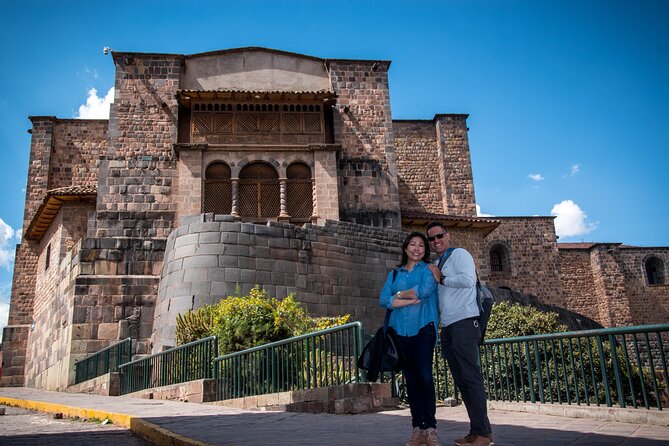
The route then climbs to Sacsayhuaman, described as the most important military fort in the Inca Empire and a northern access point to Cusco. The Incas stored weapons here and prepared for possible invasion.
This is likely the most visually powerful stop on the route. The massive walls make the scale of Inca building clear in a way that a city-center visit cannot. You can also look back toward Cusco from the hilltop setting, giving the city a useful physical context.
The planned time is 30 minutes. That is enough to see the main area and hear the site’s military story, but the complex is large. If you want extended walking, careful photography, or time to study the stonework, the schedule may feel tight.
The tour’s private format helps here because your guide can focus on the parts that interest your group. You can ask about military use, construction, or the relationship between the fort and Cusco. Still, the overall route has four more stops after Sacsayhuaman, so this is not designed as a full morning devoted to one archaeological complex.
A few more options to weigh up in Cusco
- Private Excursion to Humantay Lake from Cusco and Coca Ceremony
★ 5.0 · 758 reviews - Machu Picchu Full Day – Private Tour
★ 5.0 · 520 reviews - Machu Picchu: Private Tour Guide Service (2–3 Hours)
★ 5.0 · 507 reviews - Machupicchu full day private tour
★ 5.0 · 317 reviews
Q’enqo: a ceremonial site with winding passages
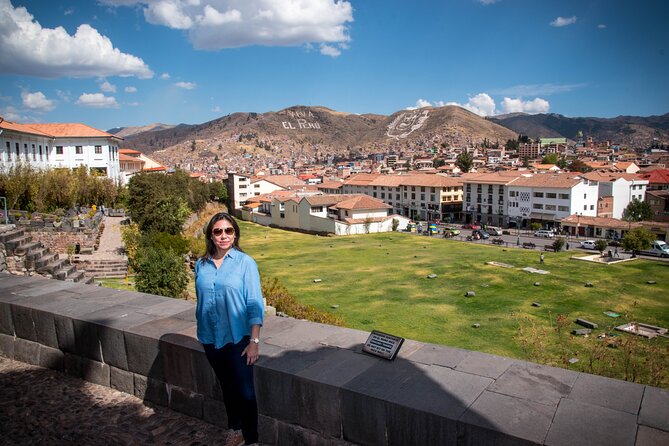
Q’enqo receives another 30-minute visit. The site was probably used as a center of worship, with passages and channels shaped in forms associated with amarus, or snakes.
This stop changes the mood of the day. Sacsayhuaman is open and imposing, while Q’enqo is more about carved stone, passageways, and possible ceremonial use. The word probably matters. Some functions at Inca sites are not known with complete certainty, so your guide’s interpretation can help you understand what is established and what remains a theory.
For you, the main value is variety. The tour is not simply a procession of fortresses. It includes a place connected with ritual practice, allowing you to consider the religious side of Inca society as well as its military power.
Again, 30 minutes keeps the visit moving. If narrow passages or uneven ground are difficult for you, this may require care. The provided information says most people can participate, but it does not promise a specially adapted route.
Puka Pukara: a military post and resting place
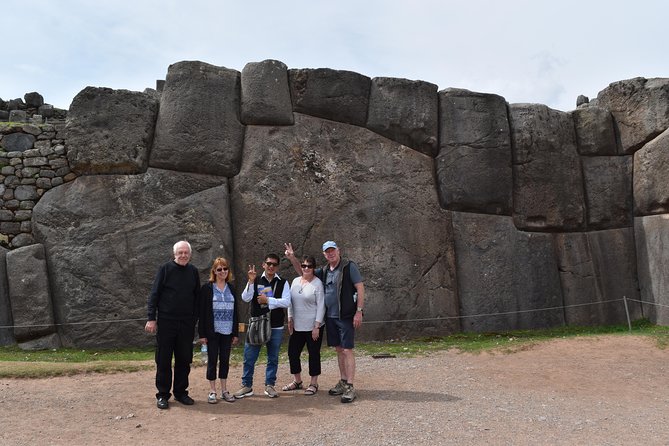
Puka Pukara was built for military purposes and also served as a resting point for chaskis, the messengers who carried messages and parcels between towns. The site’s position along the route helps explain why it had more than one role.
Another interesting detail is its storage function. Dehydrated goods were kept on the hillside, where strong winds helped preserve them for longer in a natural refrigerator-like setting. That small detail makes Puka Pukara more than a set of old walls. It connects the site to the daily systems that supported travel, communication, food storage, and control.
The stop lasts about 30 minutes. I would treat it as a concise explanation and photo stop rather than a major walk. Its value comes from the story your guide adds, especially the role of chaskis and the practical use of the site.
Because the tour operates in all weather, bring clothing that works for wind and rain. The hilltop setting and open areas can feel different from the sheltered streets of central Cusco.
Tambomachay: water, rest, and control
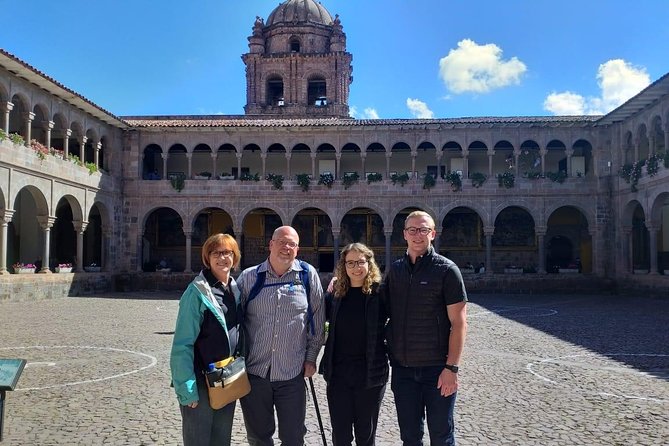
The final stop is Tambomachay, also planned for 30 minutes. It served as a place of relaxation and leisure for the Inca, while also having a military role. A watchtower here controlled access to Cusco from the north.
The site adds water and recreation to the day’s themes. After seeing military walls and religious passages, you get a place connected with rest and water management. Its watchtower also shows how leisure and defense could exist within the same setting.
Tambomachay is a fitting final stop because it brings together several ideas found throughout the route: the Inca state cared for movement, security, ceremony, food, water, and the comfort of its leaders. You may find the 30-minute visit enough for a final explanation, though the full significance depends heavily on the guide.
After this stop, your private vehicle returns you to your Cusco hotel or a nearby location. The return transfer removes the need to arrange transport from the hills, which is one of the tour’s strongest practical advantages.
What the $65 price really includes
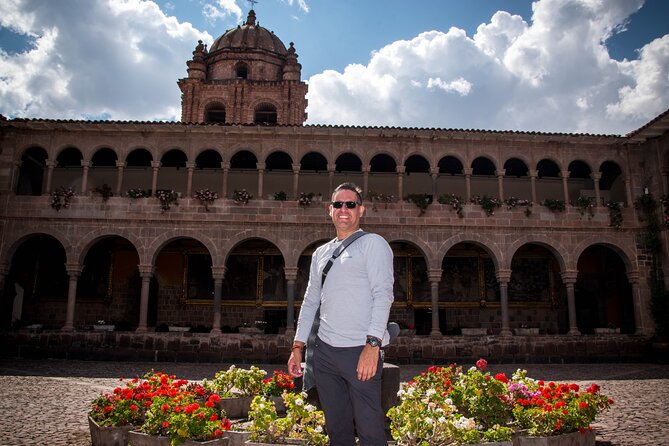
At $65 per person, the tour offers good value for a private half-day, especially for a small group that wants its own vehicle and guide. The price includes hotel pickup and drop-off, a professional driver, a bilingual guide, private round-trip transport, and the vehicle itself.
The entrance fees are not included:
- Cusco Cathedral: PEN40 per person
- Qorikancha: PEN20 per person
- Cusco Tourist Ticket: PEN70 per person
That means the listed entrance costs add PEN130 per person if you visit all the sites covered by those charges. The total becomes $65 plus PEN130, not including tips or lunch.
The fee structure is worth checking before you book. The Cathedral and Qorikancha have their own prices, while the Cusco Tourist Ticket covers the four surrounding archaeological sites listed here. If you already have a valid ticket, ask the provider how that affects your arrangements.
There is no lunch included. Since the experience lasts about five hours, plan your meal before or after the outing. The tour is best viewed as a sightseeing circuit, not a food tour or a relaxed full-day excursion.
Timing, traffic, and the private advantage
The five-hour duration is approximate. Transfer times depend on the time of day and traffic conditions, and Cusco’s streets can slow the route. The six stops each receive about 30 minutes, leaving the remaining time for driving and transitions.
This timing works best if you want to see a lot in one morning or afternoon. It is also useful early in a Cusco stay because it gives you a map of the city and its surrounding sites. You can then decide which places deserve a longer return visit.
The private group limit is one to six people. A solo booking is allowed, and only your group participates. Group discounts are offered, though the exact discount is not provided, so ask for the current rate if you are booking with friends or family.
Pickup is available from your hotel or nearby places. Confirmation is received at booking, and the route is offered in English, with the possibility of a multilingual guide. A current valid passport is required on the day of travel.
Who should book this Cusco tour?
I would recommend this experience to you if you want an efficient introduction to Cusco and do not want to organize several taxis, tickets, and guide arrangements yourself. It suits first-time visitors, small families, couples, and groups of friends who value privacy.
It is also a good choice if you have limited time. In five hours, you see the city’s two key historic sites and four important places outside the center. The combination gives you more context than a city-only walk.
You may want something else if you prefer long visits at archaeological sites, independent wandering, or a slow photography schedule. The 30-minute stops are fixed enough to keep the route moving, but they leave little room for lingering.
Altitude, weather, and uneven outdoor surfaces are also worth considering. Most people can participate, but you should dress for changing conditions and wear practical shoes. The experience runs in all weather, so do not assume rain will cancel the outing.
Should you book it?
Book this tour if you want a private, well-organized introduction to Cusco with transport handled from start to finish. The strongest reasons are the small group size, the combination of central and hilltop sites, and the chance to learn from a guide such as Will, whose enthusiastic approach received specific praise.
Before paying, add the entrance fees to your budget and decide if a rapid 30-minute visit at each stop suits you. If your priority is broad coverage and easy logistics, this is a sound choice. If your priority is slow exploration, book a longer private visit focused on fewer places.
FAQ
How long is the Private Half-Day Tour of Cusco and Its Surroundings?
The tour lasts approximately five hours. Transfer times can change depending on traffic and the time of day.
Is hotel pickup included?
Yes. Pickup and drop-off are included from your Cusco hotel or nearby places.
How many people can join the private tour?
A minimum of one person is required per booking, and the maximum is six people. Only your group participates.
Which attractions are included in the route?
The route visits Cusco Cathedral, Qorikancha, Sacsayhuaman, Q’enqo, Puka Pukara, and Tambomachay.
Are entrance fees included in the tour price?
No. Cusco Cathedral costs PEN40 per person, Qorikancha costs PEN20 per person, and the Cusco Tourist Ticket costs PEN70 per person.
Is lunch included?
No. Lunch is not included.
Is the tour offered in English?
Yes. The tour is offered in English, and it may be operated by a multilingual guide.
What is the cancellation policy?
You can cancel for a full refund if you cancel at least 24 hours before the experience start time. Cancellations or changes made less than 24 hours before the start time are not accepted for a refund.
Just added in Cusco
- Cusco Private Transportation for 2026★ 5.0 · 4 reviews
- Private Transfer from Airport to Hotel in the City of Cusco★ 4.0 · 5 reviews
- Best Cusco walking tour: dinner street food tasting★ 4.5 · 11 reviews
- Private Tour to Pisac Market and Pisac Ruins★ 5.0 · 4 reviews
- Machu Picchu Day Trip With Panoramic Train from Cusco★ 5.0 · 10 reviews
- Sacred Valley of the Incas Tour★ 5.0 · 12 reviews
- Private Tour of the Mountain of Colours by Quad★ 5.0 · 7 reviews
- Sacred Valley Private Tour from Cusco, Guide and Driver only★ 5.0 · 4 reviews
Half-Day, compared.
Lima Half-Day City Walking Tour (Small Groups)
Read our review →
Half-Day City Tour with Sacsayhuaman and Q’enco
Read our review →
Lima’s Vibrant Heritage: Exploring the City’s Landmarks Half-day
Read our review →
From Puno: Floating Islands of the Uros Half-Day Tour
Read our review →
Pachacamac Ruins & Barranco Half-Day Guided Tour
Read our review →
Pre Inca Temple of Pachacamac Half-Day Tour from Lima
Read our review →