
Reviewed · CUSCO CITY TOURS
Sacsayhuaman Temple, Tambomachay and Puca Pucara Half-Day Tour
Four Inca sites, one morning. This $69 tour gives you a useful first look at the ruins around Cusco, with hotel pickup, transport, entry tickets, and a bilingual guide included. I especially like the comfortable minivan and the early start, which can help you reach Sacsayhuaman before the worst crowds. I also like the small-group limit of 14 people, though the quality of the morning depends heavily on your guide and how much time the group actually spends at each site.
The biggest consideration is the pace. Some outings take close to four hours, while others finish in about two and a half. A few guides have allowed nearly two hours at Sacsayhuaman, while others have moved through the ruins quickly and added an unlisted alpaca or textile shop. If you want a careful archaeological visit, ask about the schedule before you set out.
In This Review
- The Four Details That Matter Most
- Why This Half-Day Route Works in Cusco
- Sacsayhuaman: Give the Giant Stones Your Time
- Q’enqo: A Short Stop at a Carved Rock Shrine
- Puca Pucara: A Lookout Above the Cusco Roads
- Tambomachay: Water, Springs, and Ritual Meaning
- The Guide Can Make or Break the Morning
- Timing, Crowds, and the Real Length of the Tour
- The Textile Stop You May Not Expect
- Is $69 a Fair Price?
- Who Should Book This Tour?
- FAQ
- What time does the tour start?
- How long does the tour last?
- Which archaeological sites are included?
- Are admission tickets included?
- Is hotel pickup and drop-off included?
- Is the tour offered in English?
- How large is the group?
- Can I cancel for a full refund?
- Should You Book It?
The Four Details That Matter Most
- Sacsayhuaman gets the largest share of time: Plan on roughly 90 minutes in the advertised schedule, though some outings have spent closer to two hours there.
- The 8:00 am departure is useful: Early arrival can mean fewer people and better conditions at Cusco’s most popular nearby ruin.
- All four entry tickets are included: The archaeological park passport covers Sacsayhuaman, Q’enqo, Puca Pucara, and Tambomachay.
- The group can have up to 14 people: That is smaller and calmer than a large coach tour, but not the same as a private visit.
- An alpaca shop may appear: It is not listed as one of the four archaeological stops, yet several outings have included a 20 to 30 minute textile stop.
- Allow for schedule changes: The stated duration is about three hours, but the listed stop times total three hours and 15 minutes, and actual outings have varied.
Why This Half-Day Route Works in Cusco
The four sites sit outside the center of Cusco, spread along the nearby hills and roads. You could arrange taxis and visit them yourself, but the transport is the main convenience here. You are not stopping to negotiate each ride or work out which ruin comes next.
The route also gives you four different views of Inca life. Sacsayhuaman shows monumental construction and defensive walls. Q’enqo introduces ceremonial stonework. Puca Pucara points to military control and movement through the area. Tambomachay brings water, springs, and ritual use into the picture.
That variety makes the tour a good fit for your first morning around Cusco’s archaeological sites. It is less suitable if you want to study every wall, climb every available path, and linger over detailed explanations. This is an overview, not a full archaeological field day.
Your ride is an air-conditioned minivan, and hotel pickup and drop-off are included. The vehicle is especially helpful in Cusco, where the streets can be congested and the ruins are scattered above the city. Some hotels sit in areas where vehicles cannot enter, so you may need to meet the driver at a nearby accessible point.
More Cusco city tours:
- Cusco: Half-Day City Tour with Sacsayhuaman and Q’enco
★ 4.6 · 1,129 reviews - City Tour Cusco Qoricancha Sacsayhuaman y Tambomachay
★ 4.7 · 617 reviews - Cusco City Tour Four Ruins in Half-Day
★ 5.0 · 530 reviews
Sacsayhuaman: Give the Giant Stones Your Time
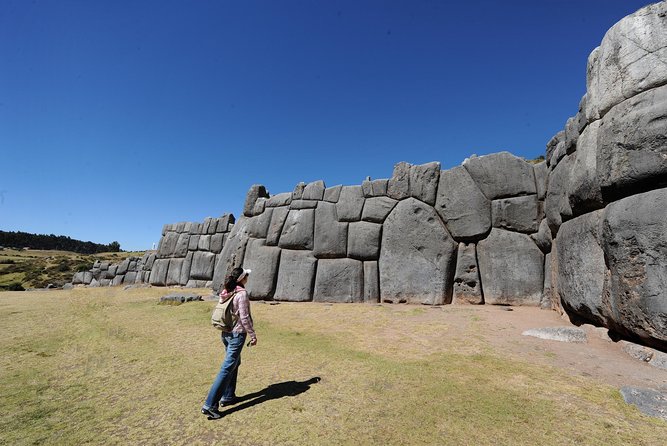
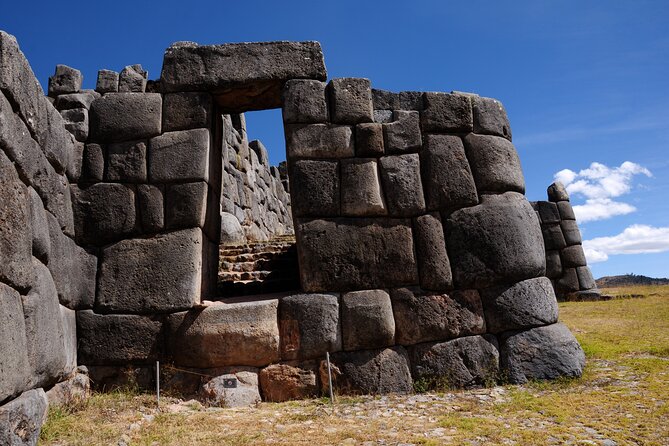
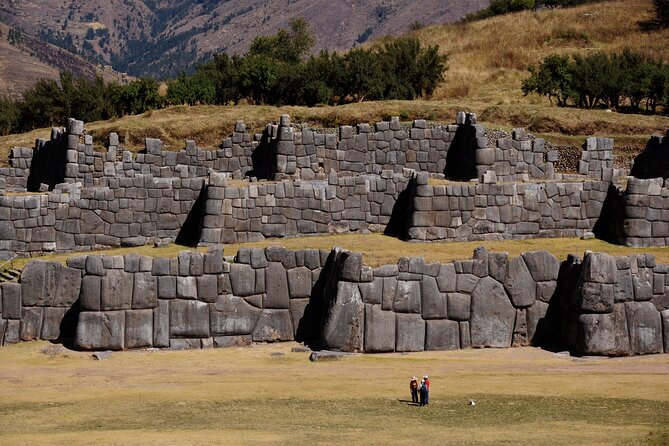
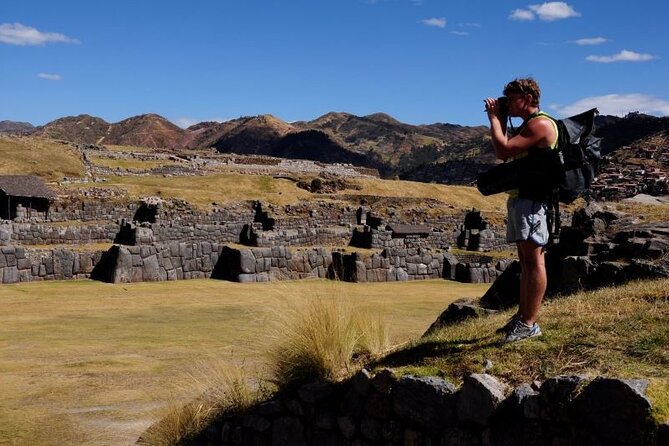
Sacsayhuaman is the reason to book this route. The scale changes the way you think about Inca construction. Huge fitted stones form long zigzag walls, with terraces and open areas spread across the hill above Cusco.
The advertised visit lasts about one hour and 30 minutes. That is enough for a guided introduction and photographs, but it is not generous if you want to wander beyond the main viewpoints. Several well-run outings have spent nearly two hours here, and that extra time makes a real difference.
Your guide should explain the site’s three levels, its towers, its sacred paths, and the role it played in the Spanish and Inca conflict. You will also want time to look closely at the stonework rather than simply photograph the biggest blocks. The site rewards patience. Small carved shapes and forms associated with animals connect the stonework to the Inca view of different levels of the world.
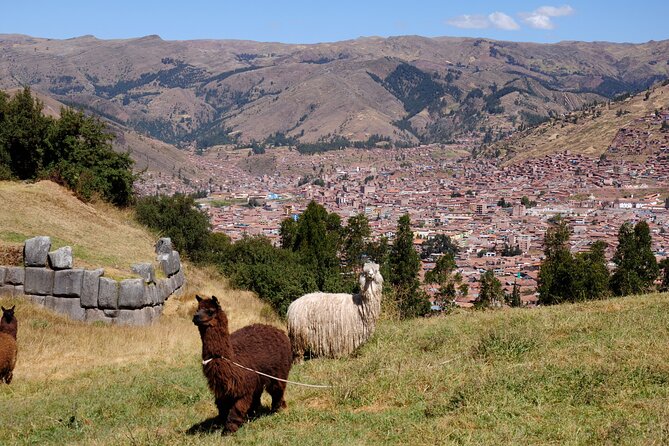
The views over Cusco are another major part of the visit. From above, the city feels close, yet the open hills around the ruins create a countryside feeling. One stop also gives you a view toward the Cristo Blanco statue, which is about a 10-minute walk away, though the tour does not include a visit there.
Here is the catch: some outings have spent more time at the viewpoint than among the ruins. If Sacsayhuaman is your priority, tell the guide early. You can politely ask for enough time to see the walls and terraces before moving on.
The high altitude and exposed sun matter here. One past visitor reported getting sunburned under bright skies, a reminder that Cusco’s strong sunlight can catch you quickly. Bring a hat and sunscreen. During rainy weather, the stone paths and steps can become slippery, so use care and wear shoes with a solid grip.
Q’enqo: A Short Stop at a Carved Rock Shrine
Q’enqo is a very different kind of site. Instead of broad terraces and colossal walls, you find a carved rock complex with channels, passages, stairways, and a ceremonial altar cut into the stone.
The planned stop is about 30 minutes. That is enough for a guide to point out the main features and explain the site’s ceremonial role, but you should not expect a long walk through every corner. The interior altar area has been inaccessible at times because of health restrictions, leaving visitors with a panoramic look from above and an explanation of what lies within.
Q’enqo can feel less immediately impressive than Sacsayhuaman, especially after seeing the giant walls. Its value comes from the clues in the rock: how water moved through channels, how chambers shaped movement, and how ritual activity may have taken place in the space.
This is also the stop most affected by a hurried guide. If your guide gives only a quick explanation, the site can feel like a pile of carved stone. Ask what the channels and altar were used for, and ask for a few minutes to look at the rock formations yourself.
Puca Pucara: A Lookout Above the Cusco Roads
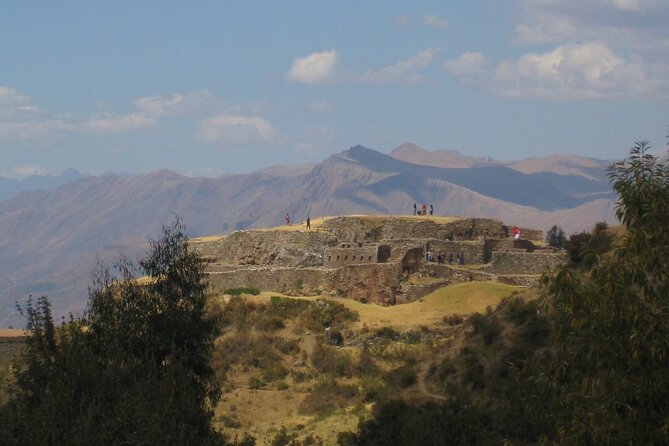
Puca Pucara means red fortress in Quechua. The hilltop complex served as a military and lookout point, helping control movement toward Cusco and Sacsayhuaman. Its walls, aqueducts, and water features show that practical needs mattered here as much as ceremony.
The visit usually lasts about 30 minutes. That is generally enough because the site is smaller than Sacsayhuaman, though the time can feel short if the group arrives during a busy stretch of the morning.
Look for the relationship between the site and the surrounding roads. Puca Pucara was not simply a fortress isolated on a hill. Its position helped monitor people moving through the area, and its water systems supported activity at the complex.
This stop has also suffered when an unplanned textile visit takes time from the archaeological sites. If your guide proposes a shop stop, ask how long it will last and how it affects Puca Pucara. You are paying for a cultural route, not only a shopping detour.
More things to do in Cusco:
- Classic Inca Trail Trek 4D/3N to Machu Picchu (Group Service)
★ 5.0 · 8,653 reviews - Cusco: Rainbow Mountain and Red Valley Day Trip with Meals
★ 4.9 · 4,893 reviews - Machu Picchu: 4-Day Inca Trail Trek with Panoramic Train Ride
★ 5.0 · 4,568 reviews - Salkantay Classic Trek 5 Days from Cusco
★ 5.0 · 4,062 reviews
Tambomachay: Water, Springs, and Ritual Meaning
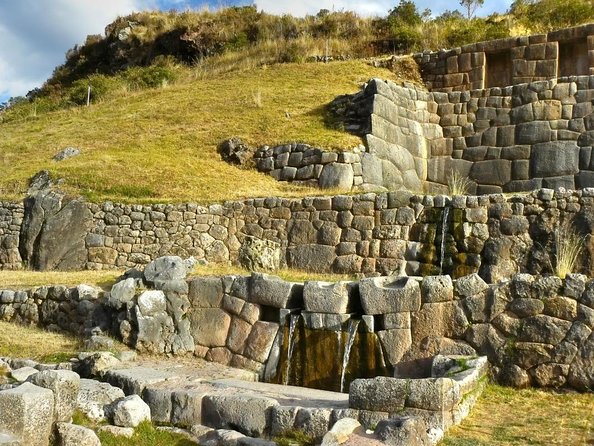
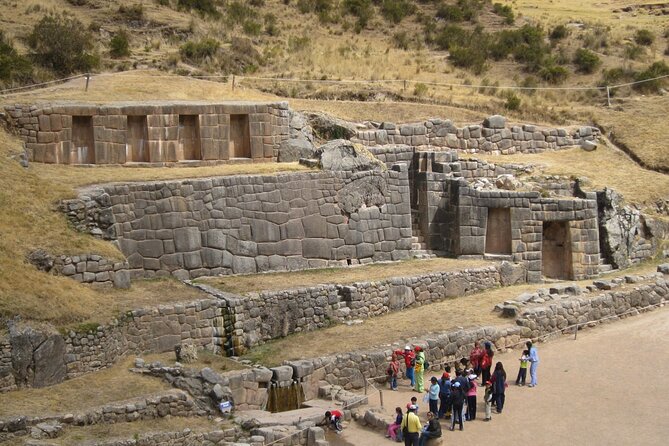
Tambomachay closes the archaeological portion of the route in the advertised order, although the actual order can vary. The complex is built around natural springs and carefully shaped water channels. The water still provides the site with its special character.
The planned visit lasts about 45 minutes. That gives you time to see the fountains and hear how spring water fitted into Inca ceremonial life. The site is often linked with youth, luck, and the sacred importance of water in the Andean world.
Tambomachay is more compact than Sacsayhuaman, but it needs explanation. Without a guide, you may see a few fountains and stone channels without understanding why the place mattered. A good guide connects the engineering with belief: water was not only useful, it could also carry spiritual meaning.
The walk includes stone steps and uneven ground. In the rainy season, these surfaces may be slippery. The tour is described as suitable for most people, but anyone who finds steep or wet paths difficult should keep the short walking sections in mind.
The Guide Can Make or Break the Morning
The strongest part of this tour, when it works well, is the guide. Guides named Jose Aguilar, Ana, Robinson, Yuber, Alex, Marínés, and River have received warm praise for clear explanations, patience, good English, and helpful photographs. One guide, Henry, reportedly gave extra attention to the only English speaker in a Spanish-speaking group.
That matters because the ruins do not explain themselves. Sacsayhuaman needs context about construction and the Spanish conquest. Q’enqo needs a discussion of ritual spaces. Puca Pucara makes more sense when you understand its position as a checkpoint and lookout. Tambomachay benefits from an explanation of water and Andean belief.
The bilingual format can also affect the pace. If the group includes both Spanish and English speakers, the guide may need to repeat explanations in both languages. That can be handled well, but it leaves less time at each stop unless the guide manages the clock carefully.
The main risk is uneven guiding. Some guides have offered detailed explanations and allowed time for photographs. Others have rushed through Q’enqo and Tambomachay, given incorrect information, or focused on general subjects such as llamas and corn instead of the sites themselves.
I would ask the guide at the start for a clear plan, especially how long you will spend at Sacsayhuaman. If the explanations seem thin, ask specific questions. The history of the battle at Sacsayhuaman, the purpose of Q’enqo’s altar, and the function of Tambomachay’s channels are fair topics for a site tour.
Timing, Crowds, and the Real Length of the Tour
The official start time is 8:00 am. That early departure is one of the best features. Sacsayhuaman can draw long lines during busy periods, and reaching the site early may give you more room to appreciate the stone walls.
Do not rely only on a booking platform’s displayed time. One visitor arrived expecting a 9:00 am start and found that the actual departure was 8:00. The delayed pickup shortened the visit and left the group rushing. Confirm the start time directly before the day of the tour.
The advertised duration is approximately three hours. The stop schedule adds up to about three hours and 15 minutes:
- Sacsayhuaman: 1 hour 30 minutes
- Q’enqo: 30 minutes
- Puca Pucara: 30 minutes
- Tambomachay: 45 minutes
Actual duration has varied. Some outings have lasted around four hours and returned people to Cusco in time for lunch. Others have finished in about two and a half hours. Traffic, hotel pickups, group size, guide style, and shopping stops can all change the result.
If you have a flight later in the day, this can be a practical final morning activity, but leave a safe cushion for the return to Cusco. The tour includes hotel drop-off, not airport service according to the information provided.
The Textile Stop You May Not Expect
Several outings have included a stop at an alpaca or textile shop. This is not listed among the four archaeological visits, and it has caused frustration when it replaces time at Sacsayhuaman or Puca Pucara.
The shop demonstration can have some value. You may learn how to distinguish alpaca, baby alpaca, vicuña, llama fiber, wool, and synthetic material. But the sales pressure is not for everyone, and the stop can last about 20 to 30 minutes.
Prices may look reasonable, but take care with payment terms. One buyer reported a 30 percent markup for paying by Visa and found it difficult to sort out a refund. If you want to buy something, ask about the final price and any card surcharge before handing over your card.
My advice is simple: ask at pickup if a shop stop is planned. If shopping is not part of your plan, say so clearly and ask if the time can instead go to an archaeological site. This is one of the most important questions to settle before booking.
Is $69 a Fair Price?
At $69 per person, the price includes a bilingual Spanish and English guide, hotel transportation, and admission to the four archaeological sites through the Sacsayhuaman Park passport. That is a fair package if you value convenience and do not want to arrange several taxis.
The transport alone has practical value. The sites are not lined up in Cusco’s central streets, and visiting them independently requires planning, payment, and timing. A small group of no more than 14 is also more manageable than a large bus.
The price is less appealing if you receive a very short tour, a weak explanation, or an unwanted shopping stop. You could hire a taxi for several hours and visit at your own pace, though you would still need to arrange your own entry tickets and guide services. A taxi also would not automatically provide the historical context that makes these places meaningful.
I see the tour as good value for a first visit when the guide is strong and the schedule stays close to the advertised plan. It is not the best value for a repeat visitor who already knows the sites or for anyone who wants complete control over time and route.
Who Should Book This Tour?
I would choose this tour if you have a tight Cusco schedule, want a simple morning outside the center, and prefer transport and entry tickets handled for you. It works well on your first full day in the city or on a final morning before lunch and onward travel.
It also suits solo visitors. The small group gives you company, and several guides have been praised for taking photographs and adjusting their pace for individual needs. Couples and friends who want a broad introduction to Inca sites will likely find the route efficient.
I would hesitate if Sacsayhuaman is a major personal priority and you want to explore every terrace. I would also hesitate if you dislike sales stops or need a fixed finish time. In those cases, arrange a private guide or taxi plan and set your own schedule.
FAQ
What time does the tour start?
The stated start time is 8:00 am. Confirm this before the tour because an incorrect displayed start time has caused at least one pickup problem.
How long does the tour last?
The tour is advertised as approximately three hours. The listed stop times total about three hours and 15 minutes, while actual outings have ranged from about two and a half to four hours.
Which archaeological sites are included?
The route includes Sacsayhuaman, Q’enqo, Puca Pucara, and Tambomachay.
Are admission tickets included?
Yes. The tour includes the archaeological park passport covering the four sites.
Is hotel pickup and drop-off included?
Yes. Pickup and drop-off at your Cusco hotel are included, though some hotels are in areas where vehicles cannot enter. In that case, you may need to meet the vehicle nearby.
Is the tour offered in English?
Yes. A live bilingual guide service in Spanish and English is included.
How large is the group?
The maximum group size is 14 people.
Can I cancel for a full refund?
You can cancel at least 24 hours before the experience start time for a full refund. Changes or cancellations made less than 24 hours before the start time are not accepted or refunded.
Should You Book It?
Book it if you want an efficient introduction to four important sites near Cusco, value hotel transport, and can accept some variation in pace. The early start, included admission, small-group format, and spectacular Sacsayhuaman visit give it a solid foundation.
Before paying, confirm three things: the exact 8:00 am pickup, the expected time at Sacsayhuaman, and the possibility of a textile shop stop. If the operator can keep the morning focused on the ruins, $69 is a sensible price for a convenient half-day. If you want long, careful visits and complete freedom, hire a private guide or taxi instead.
Just added in Cusco
- Cusco Private Transportation for 2026★ 5.0 · 4 reviews
- Private Transfer from Airport to Hotel in the City of Cusco★ 4.0 · 5 reviews
- Best Cusco walking tour: dinner street food tasting★ 4.5 · 11 reviews
- Private Tour to Pisac Market and Pisac Ruins★ 5.0 · 4 reviews
- Machu Picchu Day Trip With Panoramic Train from Cusco★ 5.0 · 10 reviews
- Sacred Valley Private Tour from Cusco, Guide and Driver only★ 5.0 · 4 reviews
- Sacred Valley of the Incas Tour★ 5.0 · 12 reviews
- Private Tour of the Mountain of Colours by Quad★ 5.0 · 7 reviews
Cusco City Tours, compared.
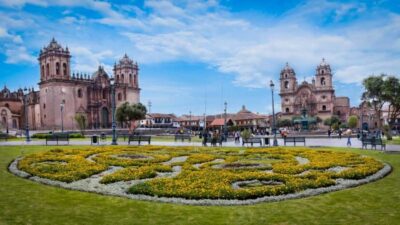
Half-Day City Tour with Sacsayhuaman and Q’enco
Read our review →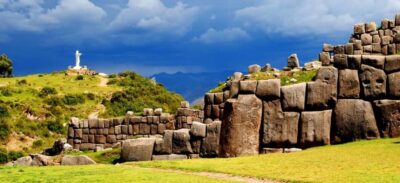
City Tour Cusco Qoricancha Sacsayhuaman y Tambomachay
Read our review →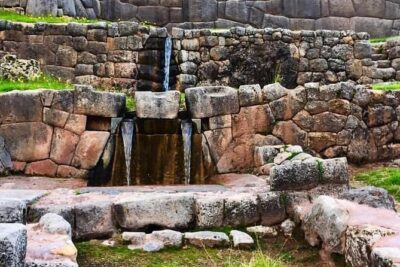
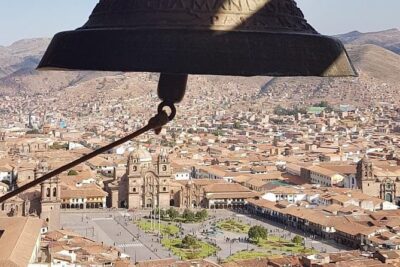
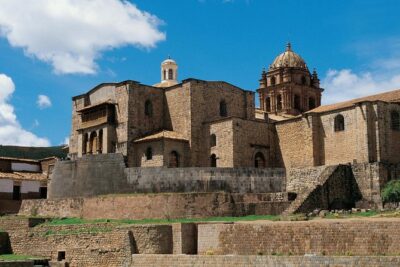
Cusco City Sightseeing, San Pedro Market, Cathedral and Qorikancha Temple
Read our review →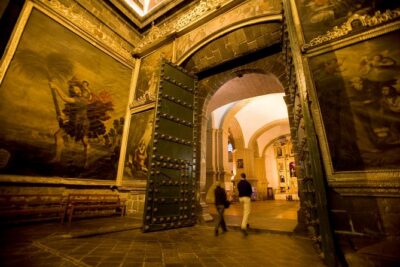
Cusco City Sightseeing and Sacsayhuaman Archeological Park Tour
Read our review →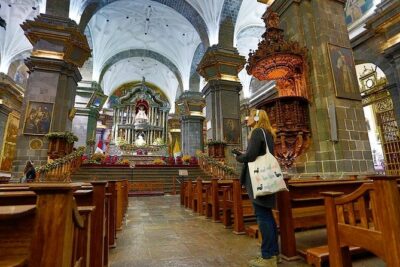
Cusco 4-Hour Private Tour Including Sacsayhuaman and Qenqo
Read our review →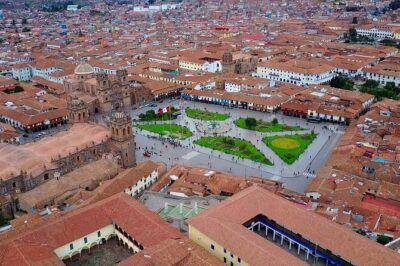
Browse the lists this tour appears in